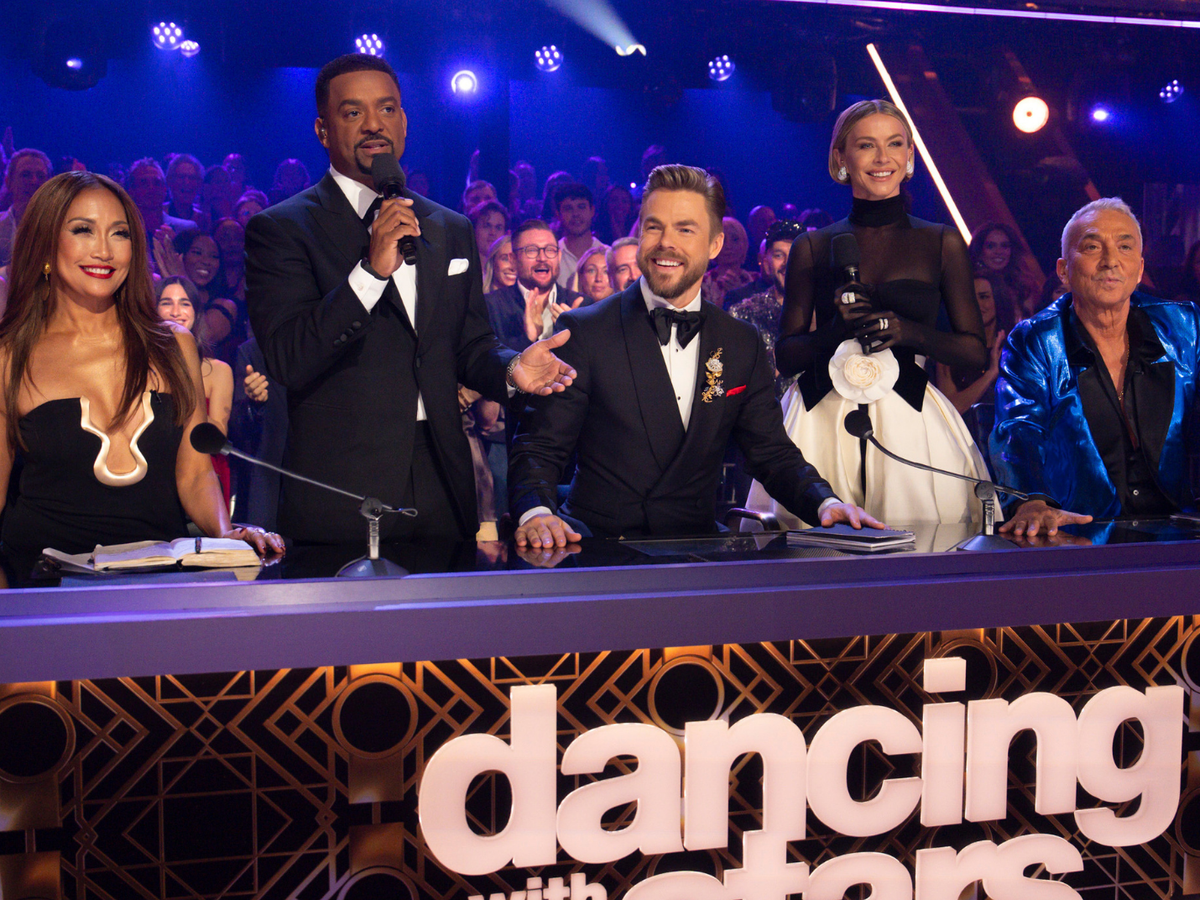
The iteration of Dancing With the Stars Season 35 marks a sophisticated evolution in the franchise’s distribution architecture and talent acquisition strategy. By deploying a simultaneous premiere across ABC and Disney+, complemented by next-day Hulu availability, the production is executing a tripartite distribution model. This approach is specifically engineered to mitigate linear decay by capturing legacy broadcast audiences alongside growth-oriented streaming tiers.
Institutional Continuity as a Brand Hedge
The retention of Carrie Ann Inaba and Bruno Tonioli serves as a critical stabilizing force. Their multi-decade tenure provides institutional continuity that offsets the volatility inherent in a rotating celebrity cast. This judicial stability preserves the program’s technical credibility, ensuring the format remains a legitimate ballroom competition rather than devolving into mere variety entertainment. Furthermore, Derek Hough’s elevation to a permanent fixture bridges the show’s heritage with contemporary performance standards, utilizing his technical expertise to appeal to a digitally native, performance-literate demographic.
Trans-Media Synergy and the Reality Ecosystem
The casting of Maura Higgins and Ciara Miller exemplifies a calculated cross-pollination strategy within the global reality ecosystem. Higgins, leveraging her Love Island UK and The Traitors US (2026) pedigree, facilitates international audience capture. Similarly, Miller’s transition from the NBCUniversal/Bravo universe (Summer House, The Traitors US) illustrates a strategic horizontal integration, where Disney-owned platforms harvest established viewership from competing conglomerates. This reduces talent volatility by utilizing ‘professional contestants’ with proven performance viability.
Digital-First Acquisition: The Savannah Bananas Case Study
The inclusion of Jackson Olson represents a pivot toward the creator economy. As a standout for the Savannah Bananas, Olson brings a self-contained marketing engine and a digitally native audience exceeding two million followers. This ‘niche-to-mass’ conversion strategy lowers customer acquisition costs for the network by tapping into the Bananas’ existing choreography-heavy brand, which aligns seamlessly with the DWTS format. This move signals a shift in prioritization from traditional Hollywood celebrity toward high-engagement social capital.
Operational Logistics and Launch Intensity
The decision to execute a high-intensity, two-night premiere on September 15 and 16 is a tactical move to dominate the fall television launch window. By positioning these as tentpole events at 8 p.m. ET, the network drives significant lead-in traffic and builds immediate emotional equity before the first elimination cycle. The operational coordination between ABC, Disney+, and Hulu acknowledges the shift toward asynchronous consumption, ensuring the franchise maintains cultural relevance across multiple viewing modalities.
Conclusion: Stakeholder Implications
For advertisers, the multi-platform nature of Season 35 provides intensified data granularity and targeted reach within a high-authority environment. For the contestants, the ballroom remains a premier vehicle for brand pivot and expansion. The overarching strategy suggests that the show’s longevity is predicated on its ability to function as a nexus for legacy media and the burgeoning creator economy, reinforcing its position as a central pillar of the North American reality landscape.