Institutional Branding and the 250th Anniversary
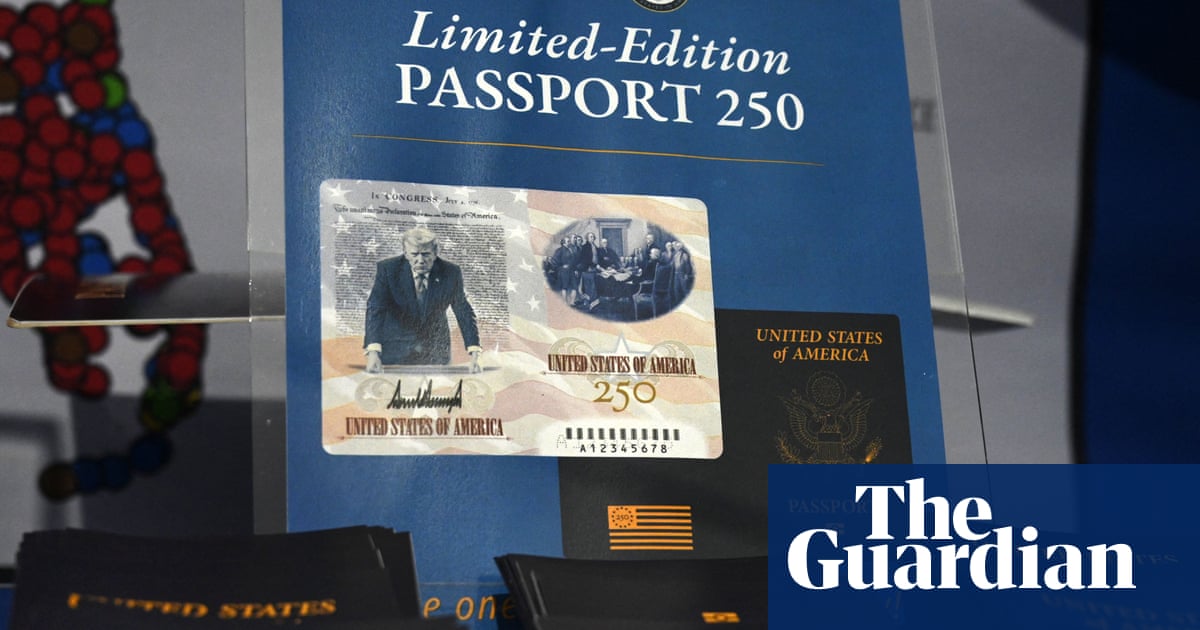
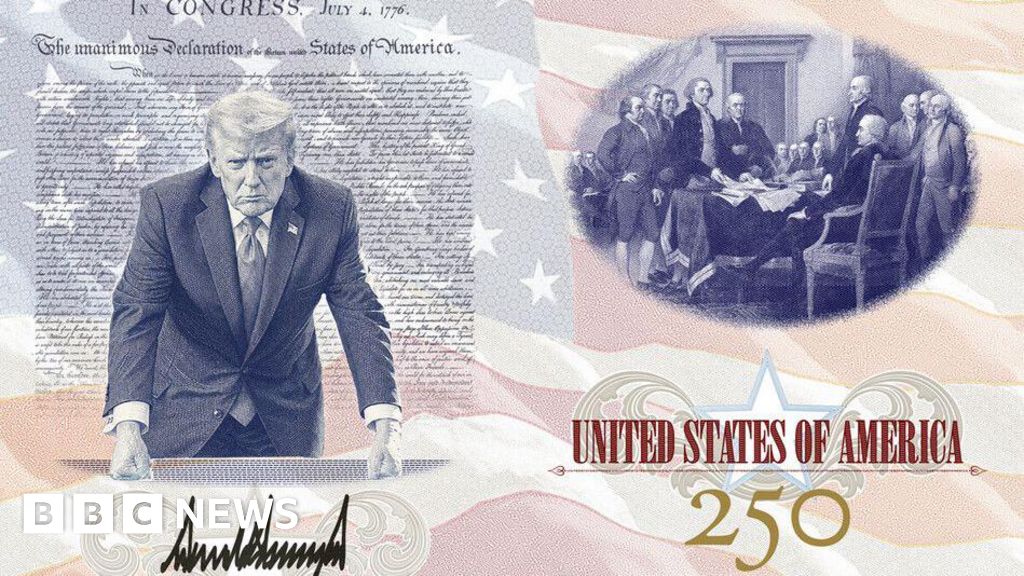
The Trump administration’s ‘Patriot Passport’ represents a departure from the traditional aesthetic neutrality of U.S. federal identification. By embedding the likeness of a sitting president into a foundational travel document, the administration is leveraging the nation’s 250th anniversary to merge executive identity with permanent national records.
This initiative continues a pattern of branding federal assets with presidential imagery. As a document defining international movement, the passport elevates the president’s personal brand to the status of a primary national symbol, signaling a shift in how administrative instruments convey executive authority.
Distribution and Scarcity Mechanics
The State Department confirmed that the ‘Patriot Passport’ will be issued solely through the Washington Passport Agency. By mandating in-person acquisition in Washington, DC, the administration creates a logistical bottleneck that transforms the document from a standard government instrument into a highly exclusive collectible.
This restrictive distribution model, beginning July 6, 2026, ensures that the document remains a rare artifact rather than a mass-market issuance. By bypassing online portals and standard mail services, the administration maintains total control over the rollout, reinforcing the document’s status as a specialized commemorative item.
Visual Composition and Symbolic Intent
The design incorporates a portrait of President Trump taken by photographer Daniel Torok, depicting the president at the Resolute Desk. The imagery is framed by excerpts from the Declaration of Independence and the president’s signature. This juxtaposition aims to visually bridge the current executive tenure with the foundational history of the republic, positioning the administration as a participant in the American historical narrative.
Strategic Implications for Federal Documentation
Historically, passports function as abstract representations of state sovereignty. Integrating a contemporary political figure alters this perception, reframing the passport as a medium for administrative and political messaging. For stakeholders, this shift suggests that federal agencies may increasingly utilize commemorative opportunities to amplify presidential branding. The ‘Patriot Passport’ serves as a case study in how government processes can be leveraged to align institutional identity with a specific political era.
Market and Institutional Consequences
The document’s extreme scarcity is expected to drive interest in the secondary market, where its value will likely be tethered to the political legacy of the Trump administration. From an institutional standpoint, the high-touch, in-person issuance process emphasizes Washington, DC’s role as the central hub of this commemorative project, highlighting the prestige of federal administrative control.
Executive Narrative and Policy Framing
While the phrase ‘Welcome, but be good!’ attributed to the president is not inscribed on the passport, its public association with the document frames the passport as a vehicle for national identity and behavioral expectations. This rhetoric aligns with the administration’s broader policy priorities regarding border management, utilizing the document as a symbolic tool to articulate executive tone.
Analytical Synthesis
The ‘Patriot Passport’ initiative signifies a strategic effort to cement the administration’s legacy within the permanent landscape of U.S. identity. By anchoring this branding in the 250th anniversary, the administration ensures its place in a landmark historical event. This precedent indicates a potential transition where federal documentation becomes a canvas for executive legacy, fundamentally challenging the traditional aesthetic impartiality of American records.