The evolution of the Peaky Blinders franchise from a linear broadcast staple to a high-budget cinematic event represents a sophisticated recalibration of British intellectual property. By transposing the narrative into the 1940s—aligning the Shelby saga with the existential stakes of World War II—producers Steven Knight and Tom Harper have effectively transitioned a localized gang drama into a high-stakes geopolitical thriller. This shift is a calculated maneuver to capitalize on Netflix’s global infrastructure and the amplified market capital of Cillian Murphy following his Academy Award success.
Operational Security and Industrial Aesthetic Continuity
The utilization of the Kelmarsh Tunnel in Northamptonshire as a primary filming site illustrates the production’s prioritization of operational security and period fidelity. Director Tom Harper’s emphasis on the tunnel’s clandestine nature underscores a logistical strategy designed to mitigate information leaks while maintaining the franchise’s signature gritty atmosphere. This choice allows the production to leverage the UK’s preserved industrial heritage, bypassing the prohibitive overhead of massive set construction while preserving the ‘event’ status essential for streaming and theatrical ROI.
Historically, the series utilized the Victorian architecture of Northern England to simulate 1920s Birmingham. The pivot to Kelmarsh for The Immortal Man signifies a continued reliance on authentic industrial aesthetics to ground the narrative’s expansion. This tactical allocation of resources enables the production to fund high-density action sequences, such as the cinematic depiction of the Luftwaffe’s aerial bombardment, elevating the visual language to meet contemporary cinematic expectations.
Structural Reinvention and the Geopolitical Pivot
Setting the feature film in 1940, a seven-year leap from the series finale, facilitates a total structural reinvention of Thomas Shelby. By inserting the protagonist into international espionage and anti-Nazi resistance, the narrative transcends the domestic family politics and regional racketeering of previous seasons. This elevates the Shelby brand from a criminal syndicate to a symbol of wartime agency, though it introduces the risk of ‘IP fatigue’ or the dilution of the show’s grounded realism.
Critics note that the transition toward an ‘action-hero’ archetype—reminiscent of SAS Rogue Heroes—could strain the narrative logic that originally established the show’s cult status. The tension between preserving core IP identity and expanding for a global cinematic audience remains the film’s primary creative challenge. The success of this transition will determine if the ‘Knight-verse’ can sustain its relevance beyond its original television constraints.
Character Architecture: Legacy and Ensemble Refreshment
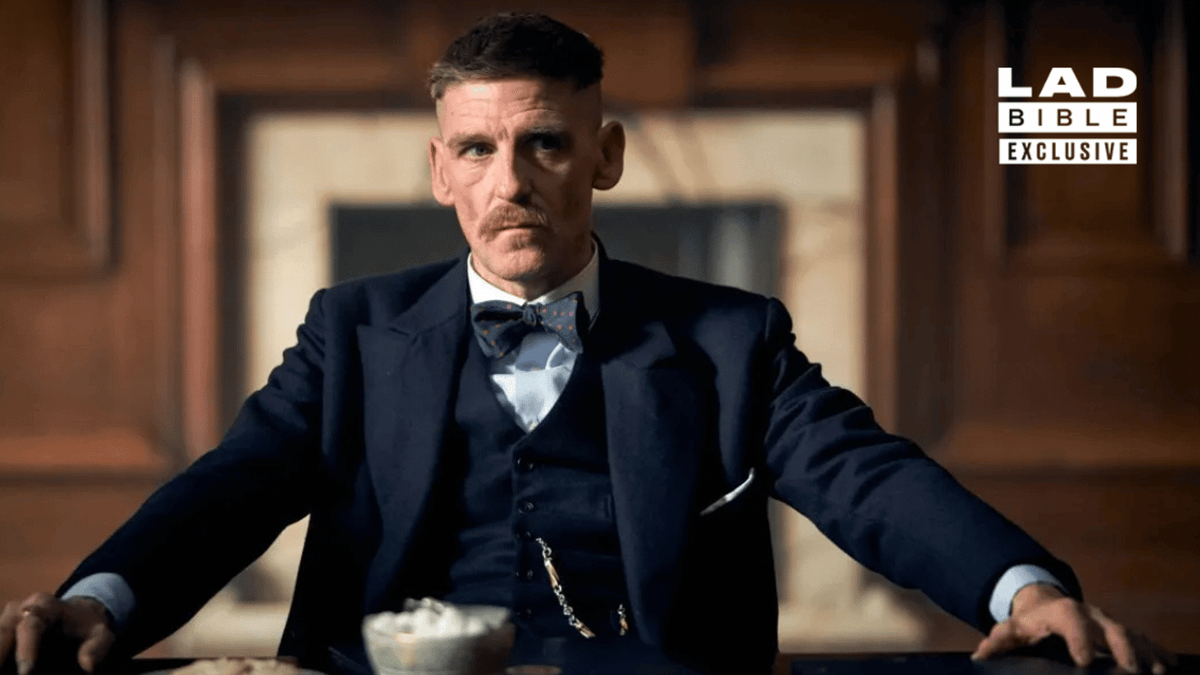
The narrative absence of Arthur Shelby—confirmed as deceased within the 1940 timeline—fundamentally alters the family’s operational hierarchy. This void forces a pivot toward Tommy Shelby’s internal psychological state, characterized by isolation on the moors and the spectral presence of his daughter, Ruby. The focus shifts from territorial expansion to an introspective examination of legacy and systemic destruction.
The integration of Barry Keoghan and Rebecca Ferguson serves as a strategic ensemble refreshment, designed to attract broader demographics and mitigate the natural attrition of a decade-long narrative arc. This injection of ‘star power’ hedges against creative stagnation, ensuring the film functions as both a definitive resolution for legacy fans and a viable entry point for new subscribers. This model is a standard industry tactic to revitalize aging IPs during their transition to feature-length formats.
The Hybrid Distribution Model and Cultural Impact
Netflix’s release strategy for The Immortal Man—incorporating selected theatrical windows prior to a March 20 global digital debut—reflects a hybrid distribution model optimized for cultural saturation. This approach seeks to replicate the communal prestige of traditional cinema while utilizing the data-driven reach of streaming. Such a ‘event-based’ rollout is critical for prestige titles requiring a theatrical imprimatur to qualify for accolades and generate the critical mass necessary for high viewership metrics.
Ultimately, The Immortal Man serves as a benchmark for the scalability of British prestige drama. The thematic emphasis on ‘burning it all down’ suggests a definitive conclusion to the primary Shelby arc, even as it provides a blueprint for potential spin-offs. The institutional value of the Peaky Blinders brand remains potent, but its survival depends on this radical escalation from the streets of Birmingham to the global theater of war.