
Geopolitical Risk and Stagflation Threaten Global Markets
The confluence of geopolitical instability and persistent inflation concerns has elevated the risk profile for global markets, with oil price volatility emerging as a critical transmission mechanism for broader economic disruption. The strategic implications of ongoing tensions, particularly those involving major energy producers and transit routes, extend beyond immediate supply disruptions to influence long-term capital allocation and macroeconomic policy decisions. This environment forces a reevaluation of energy security strategies and exposes vulnerabilities in economies heavily reliant on stable energy costs.
The Geopolitical Mechanism: Chokepoints and Cost-Push Inflation
Heightened geopolitical friction introduces significant uncertainty into energy markets. The potential for disruption in key chokepoints, such as the Strait of Hormuz, immediately translates into a risk premium on crude oil prices. This premium reflects not only the potential loss of physical supply but also the increased cost of insurance and logistics for maritime transport. For major economies, this risk premium acts as a powerful source of cost-push inflation. Unlike demand-driven inflation, which monetary tightening can address, cost-push inflation originating from energy price shocks presents a difficult policy trade-off. This creates a direct challenge to central banks attempting to manage price stability without triggering a recession.
Macroeconomic Policy Challenge: The Stagflationary Trade-off
The dilemma for central banks in a stagflationary environment is acute. Aggressive interest rate hikes to curb inflation risk triggering a recession, while inaction allows inflation expectations to become entrenched, potentially leading to a wage-price spiral. This places central banks in a precarious position, where traditional tools are less effective against externally generated price pressures. The policy response requires balancing short-term economic stability with long-term inflation credibility, often prioritizing inflation control over short-term growth concerns.
Domestic Political Vulnerability and Consumer Sentiment
The impact of oil price volatility extends deeply into domestic political landscapes, particularly in major consumer economies. High gasoline prices act as a visible and immediate tax on consumers, directly influencing public sentiment and purchasing power. This creates a political vulnerability for incumbent administrations, as consumer dissatisfaction with economic conditions often correlates strongly with energy costs. The perceived inability to control these prices can undermine public confidence in economic management, regardless of the underlying geopolitical drivers. For political leaders, managing this exposure requires navigating complex trade-offs between domestic energy policy and international relations, often conflicting, strategic objectives.
Historical Precedent and Investor Recalibration
The combination of persistent inflation and slowing economic growth, or stagflation, represents a significant challenge for investors. The current environment mirrors historical periods of stagflationary pressure, notably the 1970s oil shocks. These events demonstrated how energy price volatility can fundamentally alter investment strategies and corporate performance. In a stagflationary environment, traditional investment models face significant stress: equities often struggle as profit margins are squeezed by rising input costs and weakening consumer demand, while fixed income investments suffer from high inflation eroding real returns. Investors are forced to recalibrate portfolios toward assets that perform well during periods of high inflation and low growth, such as commodities, real estate, and inflation-protected securities.
The historical precedent highlights the importance of anchoring inflation expectations. When energy price shocks lead to widespread expectations of future inflation, workers demand higher wages and businesses raise prices, creating a self-fulfilling prophecy. The lesson from the 1970s policy failures, characterized by monetary accommodation and price controls, emphasizes the necessity of disciplined monetary policy to restore price stability and avoid prolonged economic stagnation.
Strategic Imperatives: Energy Transition and Intervention Tools
The recurring vulnerability to geopolitical oil price shocks underscores the strategic imperative for nations to enhance energy security. While short-term responses focus on managing supply disruptions and price volatility through measures like drawing down Strategic Petroleum Reserves (SPR), the long-term strategic shift involves reducing reliance on fossil fuels and accelerating the transition to renewable energy sources. This transition, however, presents its own set of challenges, including high initial capital expenditure and supply chain dependencies on critical minerals. The current landscape acts as a catalyst for this transition, highlighting the economic and strategic benefits of energy independence.
Market intervention through SPR releases can temporarily alleviate price pressure, but it does not address the fundamental causes of volatility. The effectiveness of such interventions depends heavily on market conditions and the scale of the disruption. The strategic use of reserves highlights the tension between short-term political incentives and long-term energy security, requiring disciplined management to ensure interventions are reserved for genuine supply emergencies rather than routine price fluctuations.
Global Capital Flows and Corporate Strategic Adjustments
Geopolitical instability and the threat of stagflation fundamentally alter global capital flows and investment decisions. Investors seek safe havens during periods of heightened uncertainty, leading to shifts from risk assets to perceived lower-risk investments like gold, certain government bonds, and strong currencies. This reallocation of capital can impact emerging markets, which often face capital flight and currency depreciation during global risk-off events.
In this environment, corporate strategic planning must address the dual challenge of cost inflation and demand elasticity. Companies may prioritize debt reduction and cash preservation over expansion, anticipating higher borrowing costs and reduced demand. This shift in corporate strategy, favoring companies with strong pricing power and efficient supply chains, leads to slower capital expenditure and reinforces the broader stagflationary environment.
Conclusion: Structural Vulnerability and Strategic Recalibration
The ongoing geopolitical tensions in key energy-producing regions create structural volatility in oil prices, acting as a powerful inflationary force. This environment challenges traditional macroeconomic policy tools and forces a strategic recalibration for investors, corporations, and governments. The long-term implications accelerate the strategic imperative for energy transition and diversification, while simultaneously highlighting the political and economic costs of continued reliance on fossil fuels. The ability of nations to mitigate these risks depends on disciplined policy responses, strategic investment in energy security, and effective communication to anchor inflation expectations in a volatile global environment.
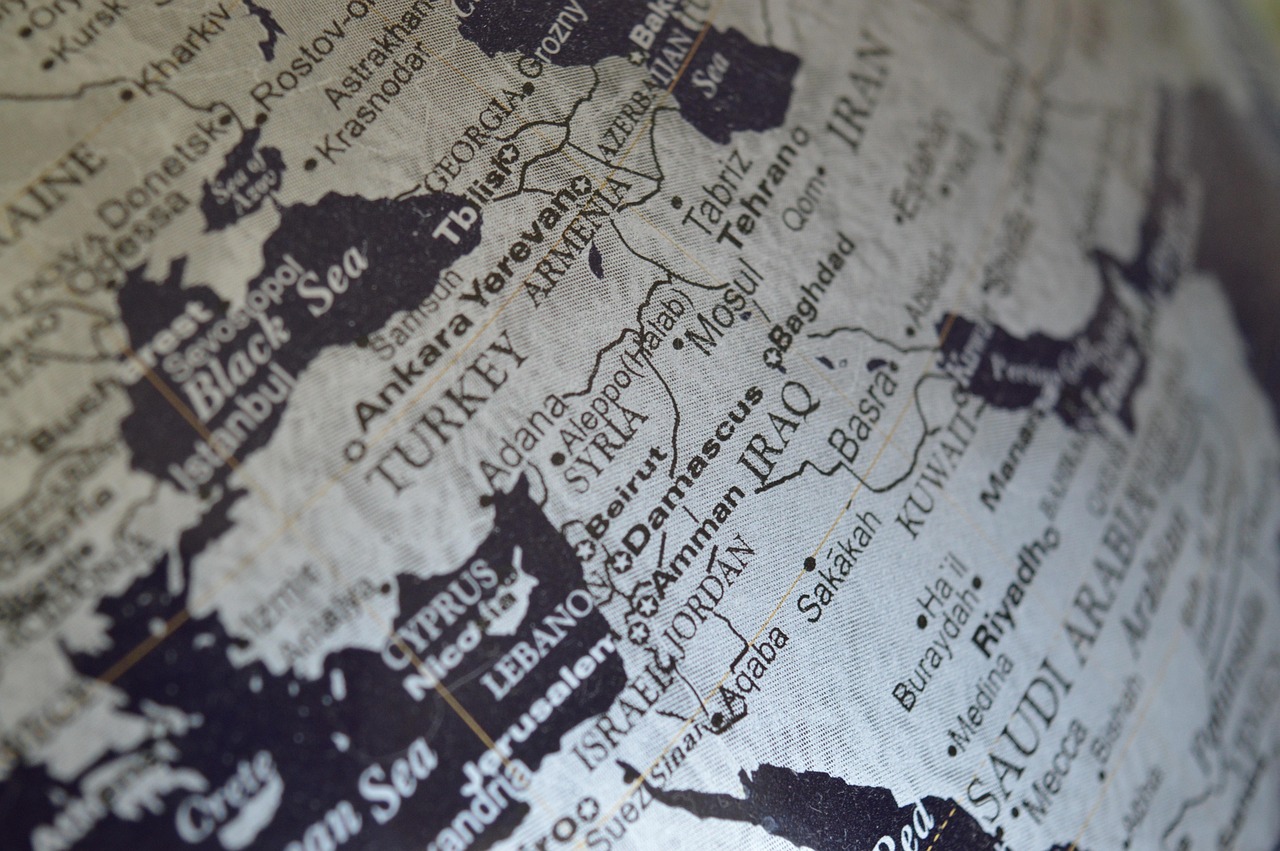
Cover photo by ErikaWittlieb on Pixabay.