Disruption in Taiwan: Medical Emergency Tests CBS’s Live Broadcast Resilience
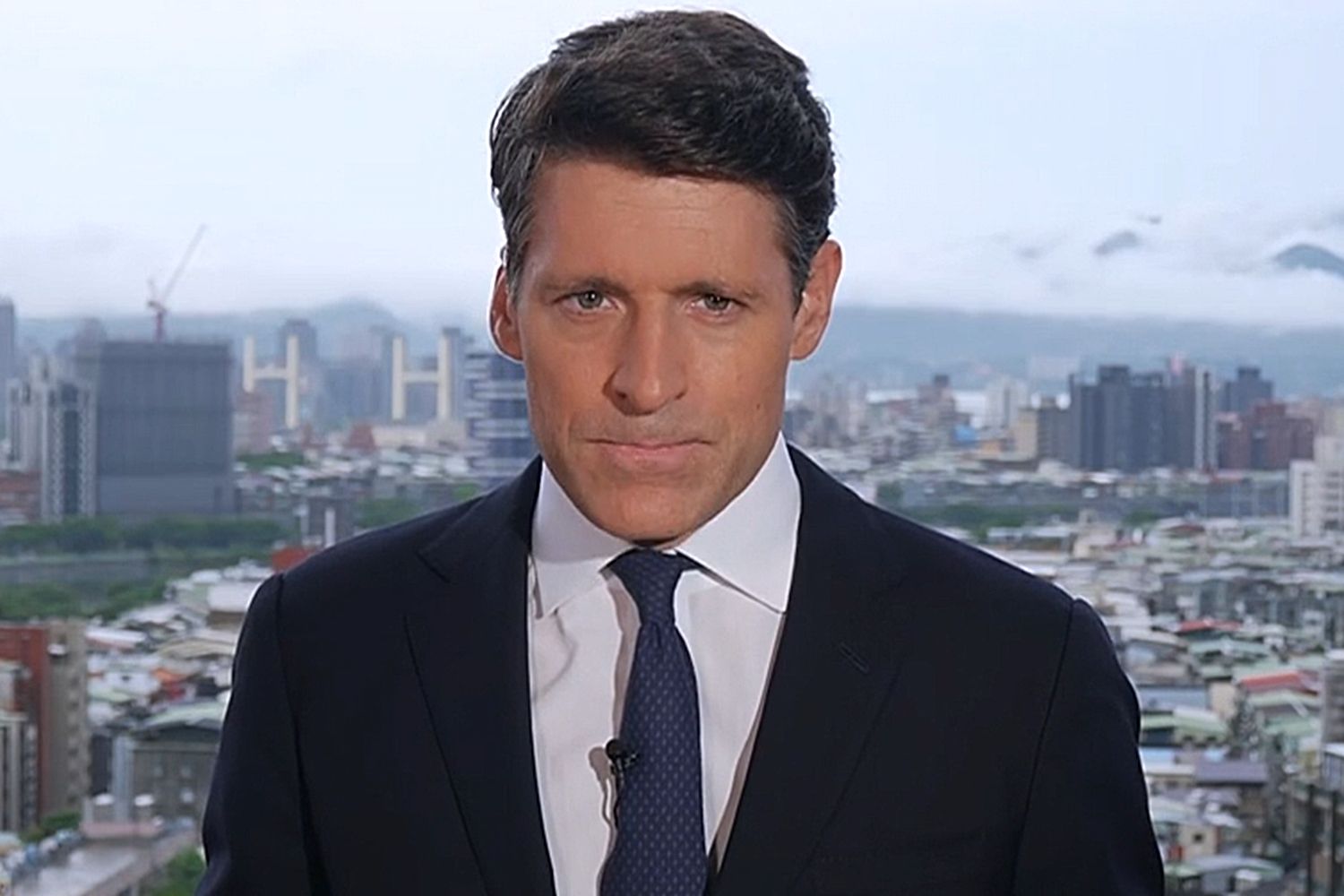
A live broadcast of the CBS Evening News from Taiwan was unexpectedly interrupted by a medical emergency involving a cameraman on set. Anchor Tony Dokoupil swiftly cut to a commercial break, acknowledging the immediate and critical need to address the unfolding situation behind the scenes. This incident underscored the inherent operational risks and the demanding conditions faced by news crews in international field assignments, often far from primary support infrastructure. While CBS News later confirmed the employee was “okay and recovering,” the event served as a stark, real-time illustration of the essential crisis management capabilities required to maintain broadcast continuity and ensure staff welfare in high-stakes environments.
Strategic Blow: China Visa Denial Forces CBS Anchor’s Relocation to Taipei
The broadcast from Taiwan itself stemmed from a significant strategic pivot for CBS News. Anchor Tony Dokoupil had originally been slated to anchor from Beijing to provide direct coverage of President Donald Trump’s high-profile meeting with Chinese President Xi Jinping—a globally dominant story. However, Dokoupil’s inability to secure a Chinese visa in time compelled a last-minute redirection of the network’s primary anchor to Taipei. This logistical hurdle placed CBS News at a competitive disadvantage, as rival networks like NBC News (with Tom Llamas) and ABC News (with David Muir) successfully positioned their lead anchors in Beijing. The approximate distance of 1,070 miles separating Taipei from Beijing effectively positioned CBS’s lead anchor away from the central locus of diplomatic activity, diminishing the perceived immediacy and authority of its critical summit coverage.
Competitive Dynamics & Geopolitical Access: Reporting on a US-China Summit
The failure to secure timely access to Beijing illuminated the intricate competitive dynamics within international news broadcasting. Networks invest substantial resources to strategically position their top talent at the heart of major global events, aiming to deliver exclusive insights and authoritative perspectives. CBS’s forced relocation to Taipei, while still a significant regional hub, meant its primary anchor was not physically present where “the action is really happening,” as noted by one source. This created a clear contrast with competitors who successfully navigated the bureaucratic and diplomatic channels required for Beijing access. Such disparities in access can significantly influence audience perception of a network’s global reach and journalistic efficacy, highlighting the strategic imperative for news organizations to anticipate and mitigate potential barriers to entry in geopolitically sensitive regions.
Reputational Scrutiny & Network Adaptability: Navigating Global News Challenges
The dual challenges—an on-air medical emergency and a visa denial—exposed CBS News to reputational scrutiny, particularly in contrast to its competitors. Commentary framed CBS as “humiliated” by the last-minute change, potentially affecting its standing among peers and its perceived capability in covering complex international stories. Despite this public perception, a network source reportedly dismissed concerns over Dokoupil’s absence in Beijing, emphasizing that CBS News maintained a robust presence with two correspondents traveling with President Trump directly in China. This diversified coverage strategy demonstrated an effort to mitigate the impact of the anchor’s relocation, ensuring some level of direct reporting from the primary event location. This incident underscores the continuous adaptation required within the media industry to maintain relevance and authority, showcasing the complex interplay between strategic intent, operational realities, and the challenges of state bureaucracy in global news coverage.