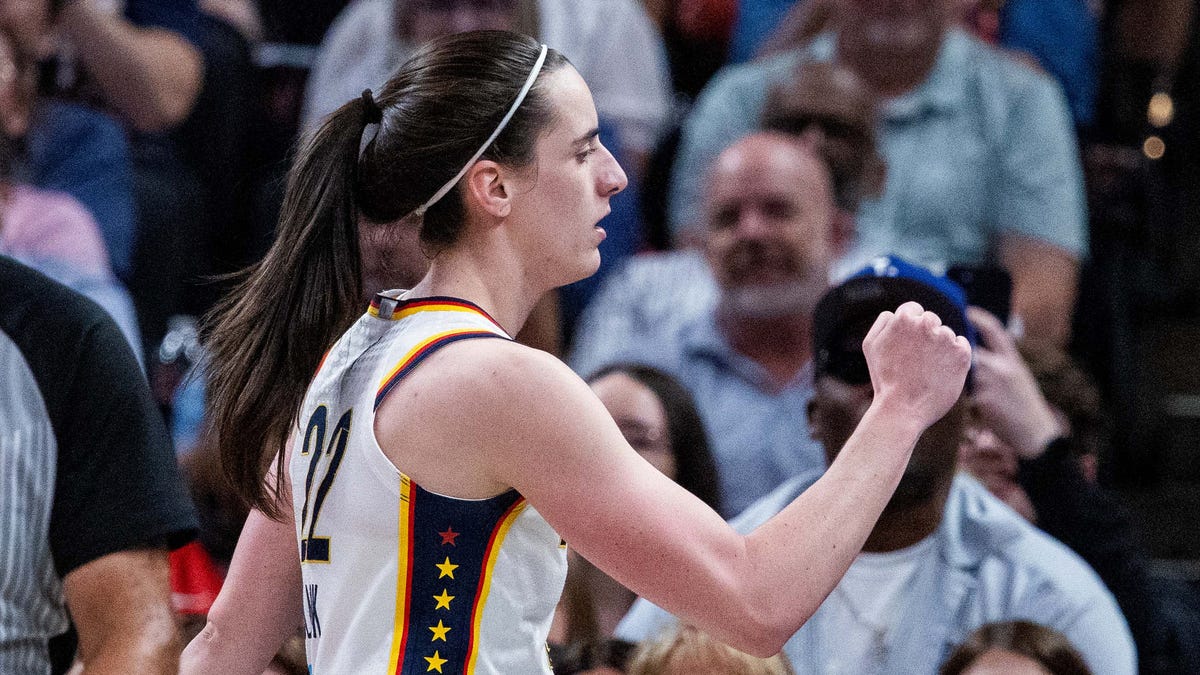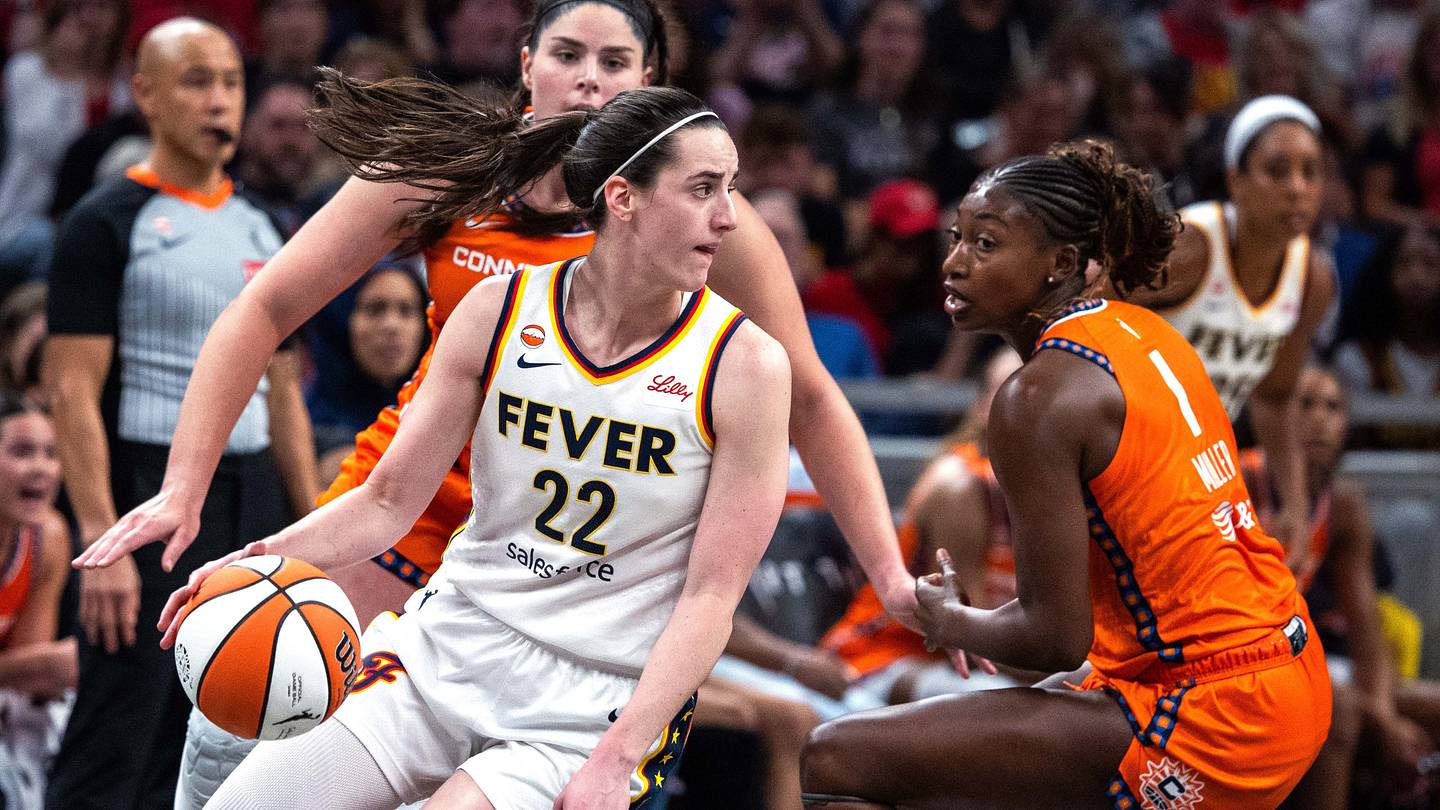
The 2024 WNBA All-Star Weekend in Phoenix served as a critical case study in the intersection of individual brand autonomy and institutional promotional obligations. Indiana Fever rookie Caitlin Clark’s absence from the initial Orange Carpet festivities underscored a calculated prioritization of personal recovery over league-wide marketing mandates. By controlling her arrival and media presence, Clark exercised a level of professional agency that challenges traditional expectations for marquee newcomers, shifting the narrative control from the league’s curated events to her own digital ecosystem.
Strategic Load Management and Physical Preservation
Clark’s decision to decline participation in the 3-point contest was a pragmatic move centered on injury mitigation. Dealing with lingering physical strain from an unprecedented transition from a deep collegiate run to the WNBA schedule, Clark opted for physiological rest over short-term exhibition visibility. For the Indiana Fever, protecting their franchise asset during the mid-season break was paramount, as the additional mechanical stress of a high-volume shooting competition presented an unnecessary operational risk to her long-term performance.
This approach to load management is essential for an athlete who serves as the primary offensive engine for her team. The All-Star break provided a vital recovery window, allowing Clark to address chronic fatigue before the season’s final playoff push. This prioritization of health over spectacle reflects a sophisticated understanding of career longevity in a high-intensity professional environment.
Disciplinary Constraints and the Technical Foul Threshold
Beyond physical health, the break offered a necessary psychological reset regarding Clark’s disciplinary standing. Approaching the league’s technical foul limit, Clark faces the reality of a mandatory one-game suspension should she reach seven technicals. This regulatory threshold places the Fever in a vulnerable position regarding seeding, as Clark’s presence is central to their competitive viability.
While her high-octane playstyle has driven record-breaking viewership and attendance, the volatility of her on-court interactions remains a strategic focal point. The intermission allowed for a recalibration of her approach to officiating, acknowledging that the margin for error has effectively evaporated for the remainder of the regular season. Managing this temperament is now as critical to the Fever’s postseason aspirations as her statistical production.
Market Implications and the New Player Power Era
The 2024 All-Star format, featuring Team WNBA against Team USA, provided a high-visibility platform for Clark to showcase her playmaking alongside veterans. However, her selective participation in non-mandatory media events highlights a shift in power dynamics. With over one million fan votes, Clark possesses significant cultural capital, allowing her to negotiate the terms of her engagement with the league’s commercial machinery.
Ultimately, Clark’s All-Star strategy demonstrates that for the modern superstar, success is measured by holistic management—balancing branding, physical health, and disciplinary discipline. As the WNBA enters its next phase of commercial expansion, the precedent set by Clark’s autonomy will likely redefine how the league’s elite navigate their promotional and professional responsibilities.