Manchester United’s Pre-Season: Strategic Adaptation Amidst Squad Constraints
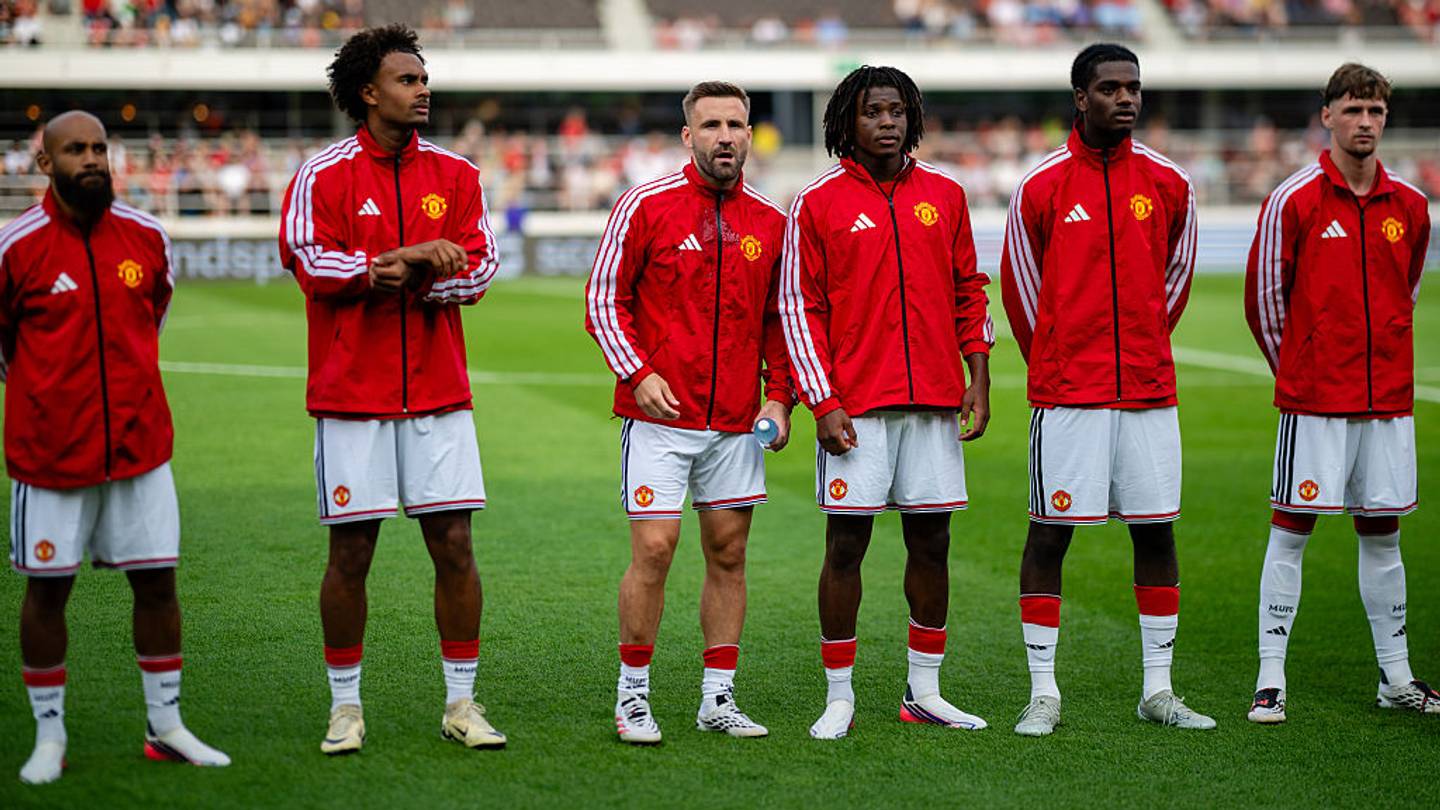
Manchester United embarks on its second pre-season friendly against Rosenborg in Norway, a critical fixture following an initial 1-0 defeat to Wrexham in Finland. This period is defined by strategic squad realignment, heavily influenced by the recovery of numerous first-team players from international duties. Such absences necessitate an unorthodox lineup, transforming operational constraints into unique opportunities for in-depth squad assessment and accelerated youth integration under manager Michael Carrick.
The composition of Manchester United’s squad for the Rosenborg friendly reflects a complex interplay of player welfare, strategic development, and immediate competitive readiness. The mandated recovery phase for key international players, a perennial challenge for elite clubs post-tournaments, directly impacts tactical flexibility. This scenario compels the club to balance player recuperation with the imperative of building match fitness and tactical cohesion across the broader squad. Rosenborg’s mid-season status in their domestic campaign offers a distinct advantage in terms of match fitness and competitive rhythm, providing United’s less experienced or recovering players with a rigorous test to accelerate their adaptation process.
The Ascent of JJ Gabriel: A Pillar of Youth Integration Strategy
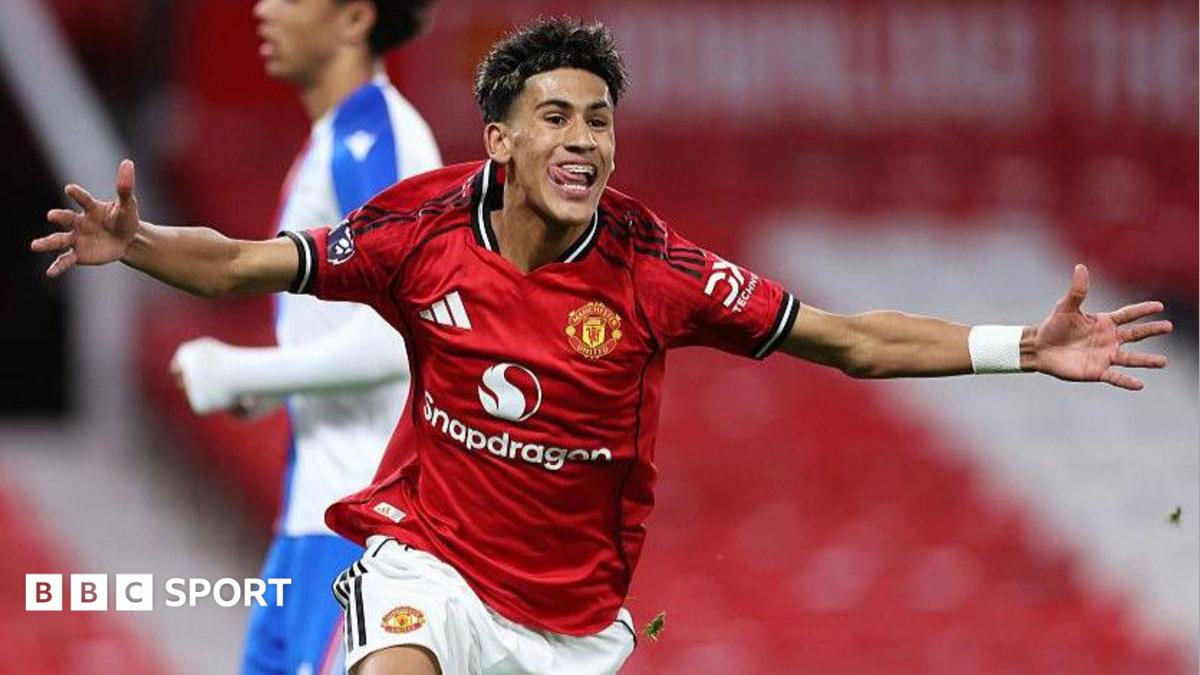
A significant development underscoring Manchester United’s long-term strategy is the inclusion of 15-year-old forward JJ Gabriel in the senior travelling squad. This call-up marks a pivotal moment in the club’s youth development pathway, signaling a clear intent to fast-track exceptional talent. Gabriel’s rapid progression, highlighted by his recognition as the Under-18 Premier League player of the season at just 14, validates the efficacy of the club’s academy system.
His integration into the senior fold, despite not turning 16 until October, reflects a strategic decision to expose him to elite-level training and matchday environments early. This approach aligns with Manchester United’s historical commitment to homegrown talent, which can yield significant sporting and financial returns. Gabriel’s inclusion also serves as a powerful motivator for other academy prospects, reinforcing the investment in coaching, facilities, and scouting. The differential treatment between Gabriel and other academy prospects or recent acquisitions, like 18-year-old Tynan Thompson (an £8 million signing from Tottenham not in the squad), highlights the highly selective nature of senior squad integration, prioritizing immediate impact potential and demonstrated readiness over acquisition cost or age.
Tactical Diagnostics and Performance Leverage in Pre-Season
The pre-season fixture against Rosenborg offers Manchester United a crucial opportunity for tactical diagnostics under competitive conditions. While fitness remains a primary objective, the match provides invaluable data points for the coaching staff to refine strategies. Facing a match-fit opponent allows for a more realistic evaluation of defensive organization, midfield control, and attacking transitions, offering a more accurate gauge of readiness than training exercises alone.
The absence of key players due to World Cup recovery, coupled with existing injuries to Benjamin Sesko, Karl Darlow, and Matthijs de Ligt, compels the coaching staff to experiment with different personnel combinations and tactical setups. This period of constraint can paradoxically foster innovation, pushing the team to adapt and develop new collective understandings. For fringe players, this friendly represents a significant opportunity to demonstrate their value, directly influencing their standing and potential role in the club’s competitive trajectory for the upcoming season. A strong pre-season, even with an unorthodox squad, builds momentum and confidence, signaling the club’s intent and strategic direction to rivals and supporters.
The Economic and Brand Ecosystem: Beyond On-Pitch Performance
Pre-season tours and friendlies are integral to an elite football club’s economic and brand strategy. These fixtures contribute to global brand visibility, fan engagement, and often generate significant commercial revenue. Investing in youth development, exemplified by JJ Gabriel’s ascent, represents a strategic capital allocation decision with long-term financial implications. Homegrown talent reduces reliance on the volatile transfer market, mitigating acquisition costs and offering potential future transfer value, thereby strengthening the club’s financial sustainability and asset base.
The contrasting situation of an £8 million external acquisition like Tynan Thompson, not immediately integrated into the senior squad, further highlights the economic rationale behind nurturing internal talent. This approach provides a more cost-effective and culturally aligned pathway to squad reinforcement. Furthermore, Manchester United’s global appeal ensures that pre-season friendlies attract considerable media attention, with the narrative surrounding emerging talents like Gabriel serving as a powerful marketing tool, engaging supporters and reinforcing the club’s identity as a developer of future stars.
Institutional Trajectory and Long-Term Competitive Advantage
The events unfolding during Manchester United’s pre-season are reflective of deeper institutional strategies and long-term objectives. The club’s approach to squad management, youth development, and competitive preparation collectively shapes its future trajectory within the elite football ecosystem. The strategic decision to integrate young talents like Gabriel underscores a commitment to building a sustainable competitive advantage from within, fostering a cohesive team culture and a clear pathway for progression that is more resilient than relying solely on external transfers.
Managing the recovery of World Cup participants while simultaneously preparing for a new season exemplifies the intricate administrative and logistical challenges faced by top-tier clubs. This requires sophisticated planning, coordination, and a clear strategic vision from leadership. Michael Carrick’s decisions regarding squad selection and tactical experimentation during these friendlies are indicative of the strategic direction he intends to pursue. Ultimately, the club’s capacity to navigate these multifaceted challenges effectively will determine not only its performance in the upcoming season but also its enduring legacy and appeal to a global fanbase, securing its strategic positioning in an increasingly competitive and commercialized sport.