Strategic Subversion of the WrestleMania Retirement Arc
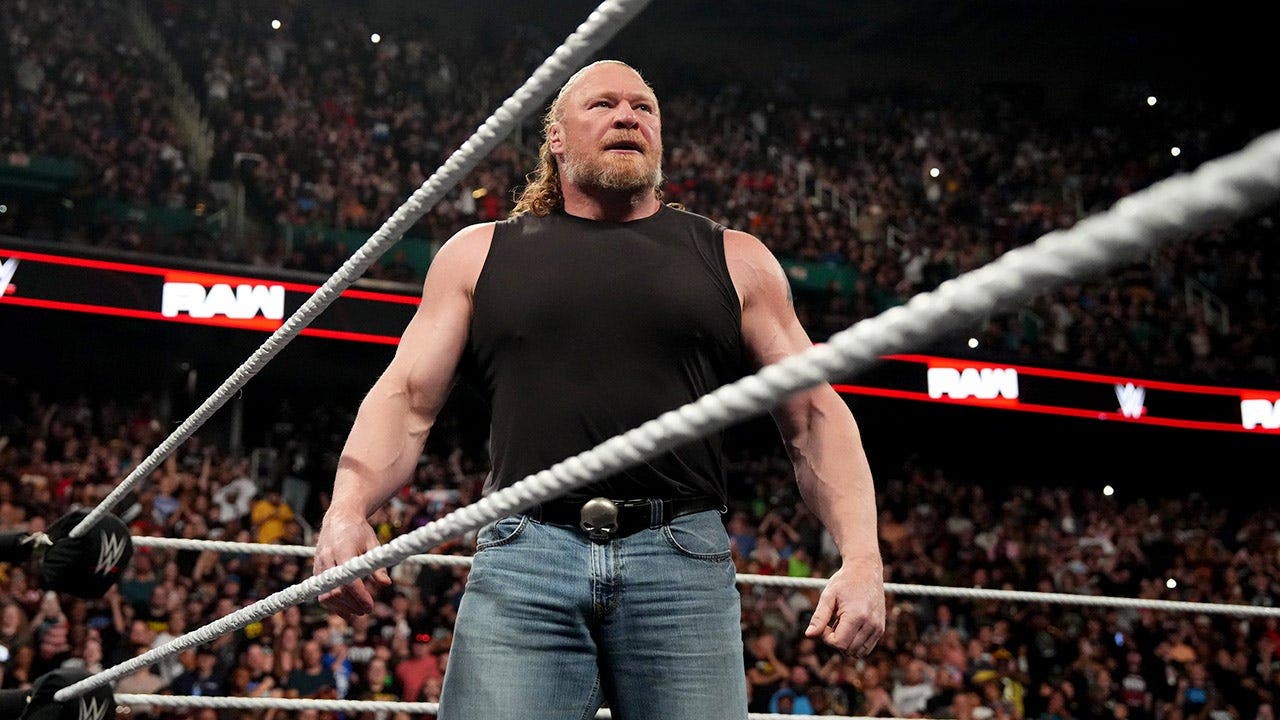
Brock Lesnar’s May 18, 2026, appearance on Monday Night Raw marks a calculated repudiation of the retirement narrative established at WrestleMania 42. His symbolic act of removing his gloves and boots post-match to Oba Femi signaled a definitive end to his active in-ring career, further solidified by WWE’s administrative reclassification to its Alumni roster. This deliberate sequence amplified the shock value of his subsequent return.
The timing, precisely one month after the perceived farewell, indicates a strategic maneuver to sustain narrative momentum into the post-WrestleMania season. By allowing retirement speculation to dominate industry discourse, WWE maximized the surprise impact in Greensboro. This demonstrates how legacy talent’s perceived finality can be leveraged as a promotional tool to reshape competitive dynamics.
Leveraging the Open Challenge for Narrative Reset
Oba Femi’s ongoing open challenge provided a structural mechanism for Lesnar’s re-entry without requiring prior storyline development. This format acts as a versatile narrative device, enabling the introduction of unexpected, high-impact elements. Here, it served as a catalyst to expose the vulnerabilities of a dominant champion when confronted by an established, unpredictable force operating outside conventional rankings.
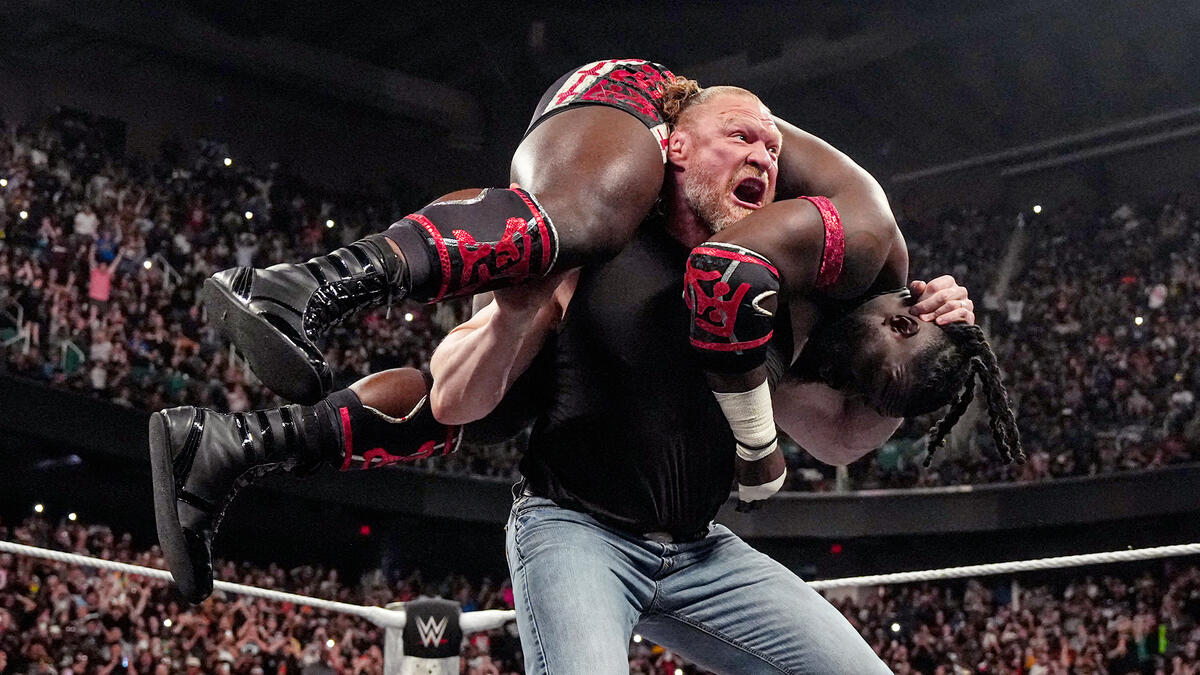
The physical execution—four F-5s—was a deliberate display of overwhelming power intended to recalibrate the perceived hierarchy between Lesnar and Femi. While Femi has been positioned as “The Ruler,” the severity of this assault re-establishes Lesnar as a paramount threat on the Raw brand, forcing a critical re-evaluation of Femi’s dominance in light of his prior victory over Lesnar.
Global Media Impact and Audience Engagement Strategies
The return of a marquee asset like Lesnar significantly influences WWE’s global distribution partners, including Netflix, Sony LIV, and Flow. In the current streaming-dominated landscape, such high-profile developments are crucial for driving viewership and platform engagement. Cross-device availability ensures the return resonates globally, reinforcing the value proposition of WWE’s intellectual property in a competitive media market.
Integrating this moment into the live Raw broadcast incentivizes “appointment viewing” amid media fragmentation. The strategic timing, preceding the next premium live event, aims to boost subscription retention and conversion across digital platforms. The expansive reach of WWE’s Netflix and Sony LIV partnerships amplifies Lesnar’s return from a domestic event to a worldwide content value enhancement strategy.
Meta-Narrative Reinforcement via Social Media
Paul Heyman’s subsequent statements on X (formerly Twitter) provide a crucial meta-narrative layer, bridging the televised event with the digital sphere. His public apology for “forgetting” Lesnar’s intentions maintains his advocate persona while acknowledging the emotional weight of the WrestleMania retirement tease. This approach intentionally blurs the lines between scripted narrative and real-time administrative updates, deepening audience investment.
Heyman’s role as a narrative conduit is vital for maintaining continuity during roster shifts. His public reaction lends institutional legitimacy to the return, framing it as a development that surprised even internal observers. Utilizing social media as an extension of the broadcast allows WWE to control post-event discourse and direct attention toward the unfolding competitive implications for both Lesnar and Femi.
Institutional Precedents and Industry Labor Dynamics
Commentary from WWE Hall of Famer Booker T on the nature of retirement in professional wrestling highlights a recurring institutional pattern: legacy talent often remains available for high-leverage opportunities, irrespective of prior farewells. This systemic flexibility allows for the strategic re-integration of established stars to boost ratings and attendance.
Lesnar’s return underscores that the “Alumni” designation is a fluid status, not a permanent retirement. This organizational flexibility provides a strategic talent reserve deployable to elevate newer stars or resolve narrative stalemates. WWE leverages audience institutional memory to foster a sense of historical continuity, positioning veteran returns as significant competitive shifts rather than mere repetitions.
Competitive Ramifications for the Raw Roster
Lesnar’s re-emergence introduces a significant disruptive element to the existing Raw roster hierarchy, particularly for top contenders. As Oba Femi addresses the aftermath of the attack, other competitors must now account for a non-traditional threat who bypasses standard title contention paths. This creates a dynamic where established rivalries may be temporarily overshadowed by the high-stakes confrontation between Lesnar and Femi.
Lesnar’s presence also serves as a benchmark for the next generation of talent. Engaging in a program with a multi-time world champion offers Femi a platform to showcase resilience and strategic adaptation. The downstream effects will likely influence future premium live event booking, as WWE capitalizes on the tension generated by Lesnar’s refusal to remain retired.
Financial and Strategic Incentives for Legacy Re-engagement
From a financial standpoint, Brock Lesnar’s return represents a high-yield investment. Legacy stars attract significant advertiser and sponsor interest seeking association with high-impact, widely-discussed media events. The surge in social media engagement and search traffic post-attack provides quantifiable data to demonstrate the continued relevance and reach of WWE’s product.
Furthermore, the decision to re-sign Lesnar shortly after WrestleMania suggests a strategy to maintain peak performance during typically slower periods of the wrestling calendar. Injecting a top-tier asset into the weekly Raw broadcast sustains audience interest leading into the summer season, proactively mitigating viewership attrition and preserving the brand’s competitive market position.
Tactical Execution and Physical Storytelling in Greensboro
The choice of Greensboro, North Carolina—a historically significant wrestling stronghold—for Lesnar’s return is notable. The reported audience “frenzy” validates the decision to execute the surprise in a market appreciative of the sport’s physical storytelling. The delivery of four F-5s was a tactical choice to ensure Femi’s incapacitation, preventing immediate retaliation and emphasizing Lesnar’s dominance.
This level of physical supremacy is characteristic of Lesnar’s style and serves to underscore his unique combat sports hybrid status to both the roster and the audience. The visual of Femi’s distress juxtaposed with Lesnar’s demeanor highlights the psychological warfare accompanying the physical assault, designed to destabilize Femi’s reign and ignite a prolonged rivalry.
Conclusion of the Retirement Tease and Future Implications
The events of May 18, 2026, definitively conclude the recent retirement speculation surrounding Brock Lesnar. While the WrestleMania 42 farewell carried significant emotional weight, his subsequent return demonstrates that narrative objectives can supersede perceived finality. WWE’s successful navigation of this reversal highlights its sophisticated understanding of audience psychology and market dynamics.
As attention shifts to the next premium live event, the primary narrative focus is Oba Femi’s response to this career-defining challenge. Lesnar’s return has not only altered Femi’s championship trajectory but also redefined the competitive landscape of Monday Night Raw. The institutional and strategic ramifications of this move will continue to influence talent management, media distribution, and fan engagement across the WWE ecosystem.