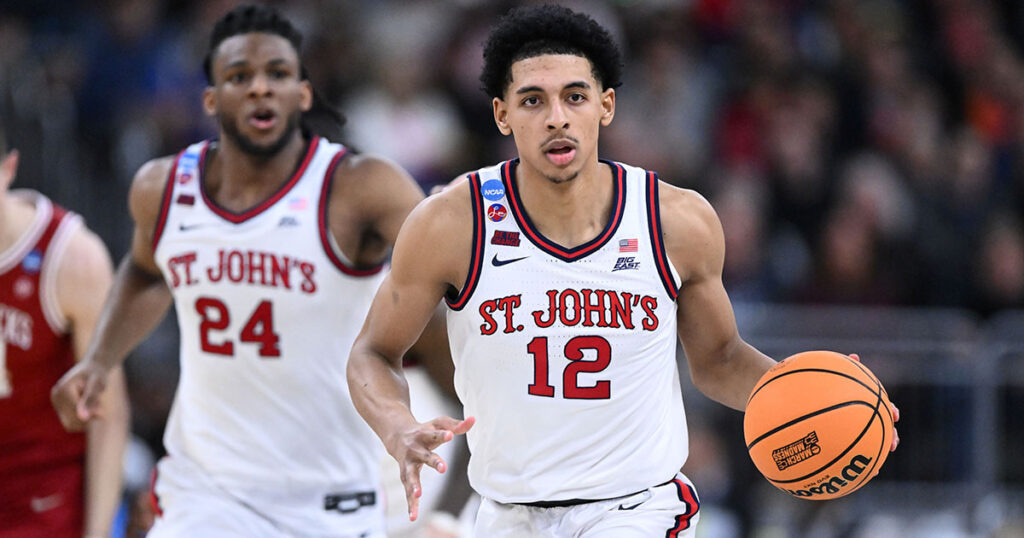
The Strategic Re-Entry of RJ Luis Jr.
The commitment of RJ Luis Jr. to LSU signifies a structural shift in basketball talent acquisition. As a former standout performer, Luis’s return to the NCAA ecosystem follows a volatile professional cycle characterized by organizational movement. This transition illustrates a growing trend: elite collegiate talent leveraging the transfer portal as a strategic recovery mechanism following unsuccessful professional debuts or injury-interrupted seasons.
Luis’s decision highlights the fragility of fringe NBA roster spots, such as two-way and Exhibit 10 contracts. By opting for the NCAA, Luis prioritizes the developmental stability and brand-building environment of a high-major program over the transactional instability of the G-League. For high-usage players, the collegiate level now serves as a more reliable platform for stock restoration than the professional minor leagues.
Contractual Volatility and Professional Risks
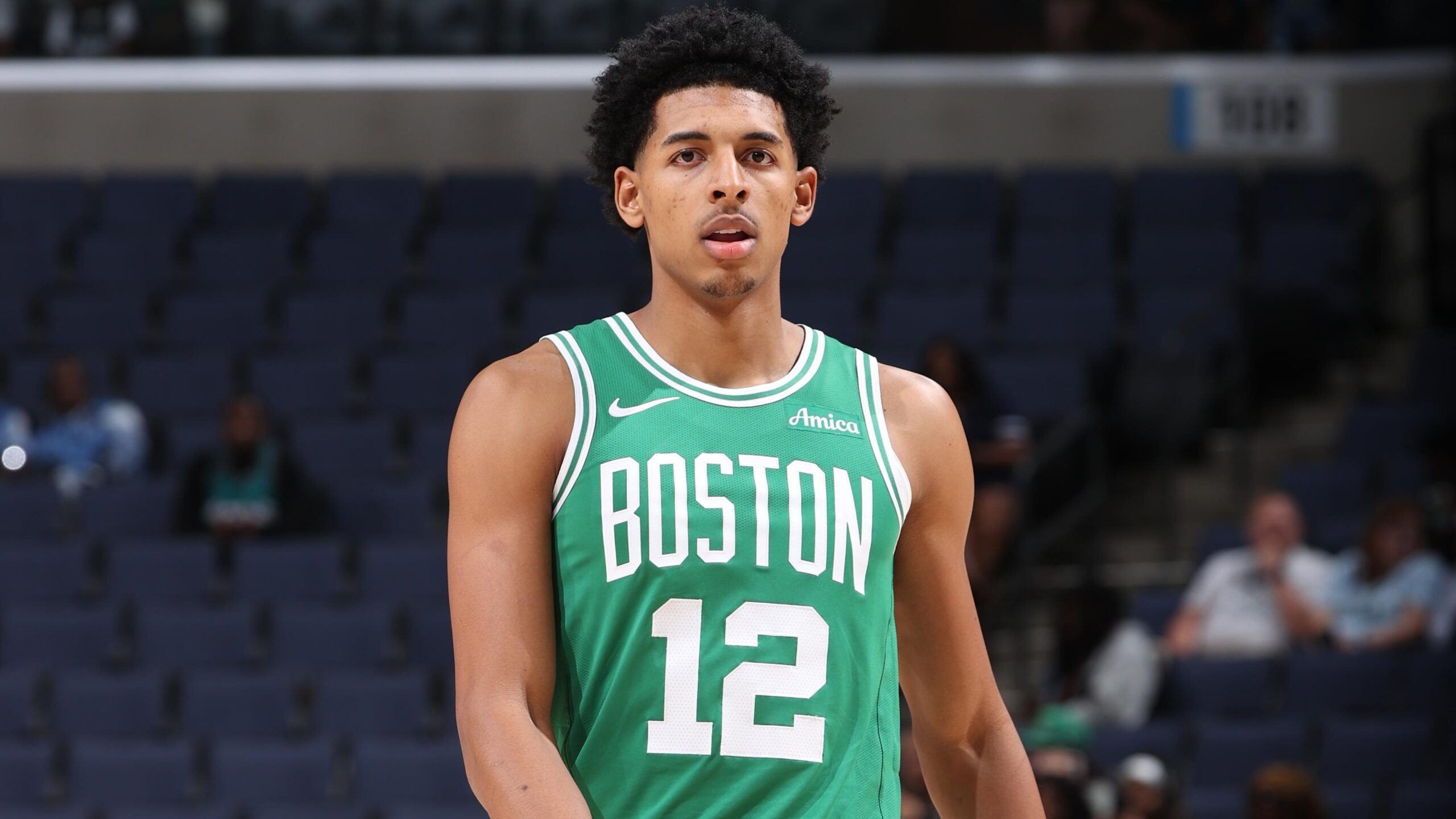
After going undrafted in 2025, Luis navigated a series of professional setbacks, including a stint with the Utah Jazz and a subsequent trade to the Boston Celtics. His journey demonstrates the limited security provided to undrafted players, who are frequently treated as transactional assets rather than developmental priorities. The physical toll of a groin injury, which curtailed his ability to showcase value in the G-League, ultimately rendered his professional tenure unsustainable, forcing a return to a more supportive institutional structure.
Eligibility and the NIL Landscape
Luis’s re-entry raises complex questions regarding NCAA eligibility in the post-NIL era. Historically, signing a professional contract terminated collegiate participation; however, modern governance and the rise of NIL valuations have blurred these lines. If granted eligibility for the 2026-27 season, Luis will set a precedent for how the NCAA manages prospects who fail to establish a permanent professional foothold. The economic parity between high-major NIL packages and entry-level professional salaries effectively transforms the NCAA into a competitive alternative for professional-tier athletes.
LSU’s Tactical Integration and Roster Strategy
LSU’s recruitment of Luis underscores a strategy of targeting high-level, experienced talent to bypass the developmental lag associated with younger rosters. At 6-foot-7, Luis provides the positional versatility required for SEC competition. Beyond his rebounding and perimeter scoring, his presence as a proven playmaker creates offensive gravity, theoretically easing the burden on teammates. For LSU, the challenge remains integrating a high-usage veteran into their existing system while ensuring his medical recovery from surgery remains the priority for his on-court effectiveness.