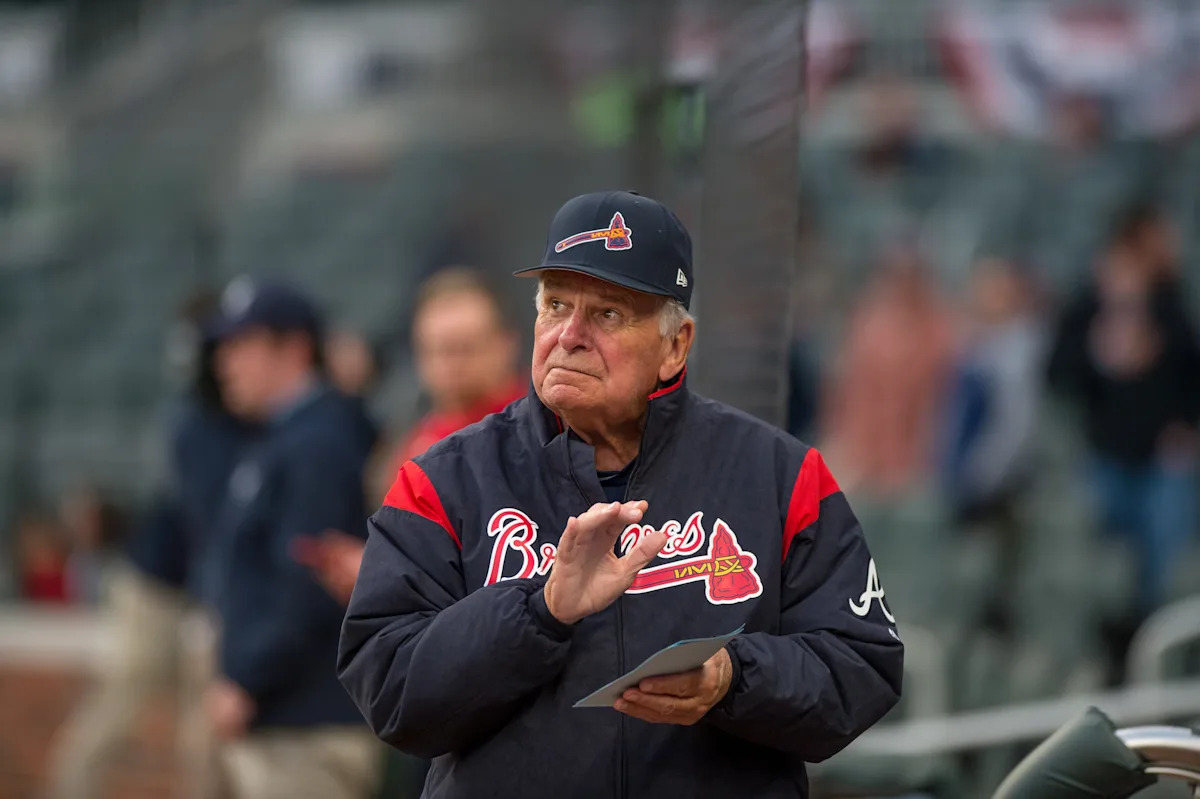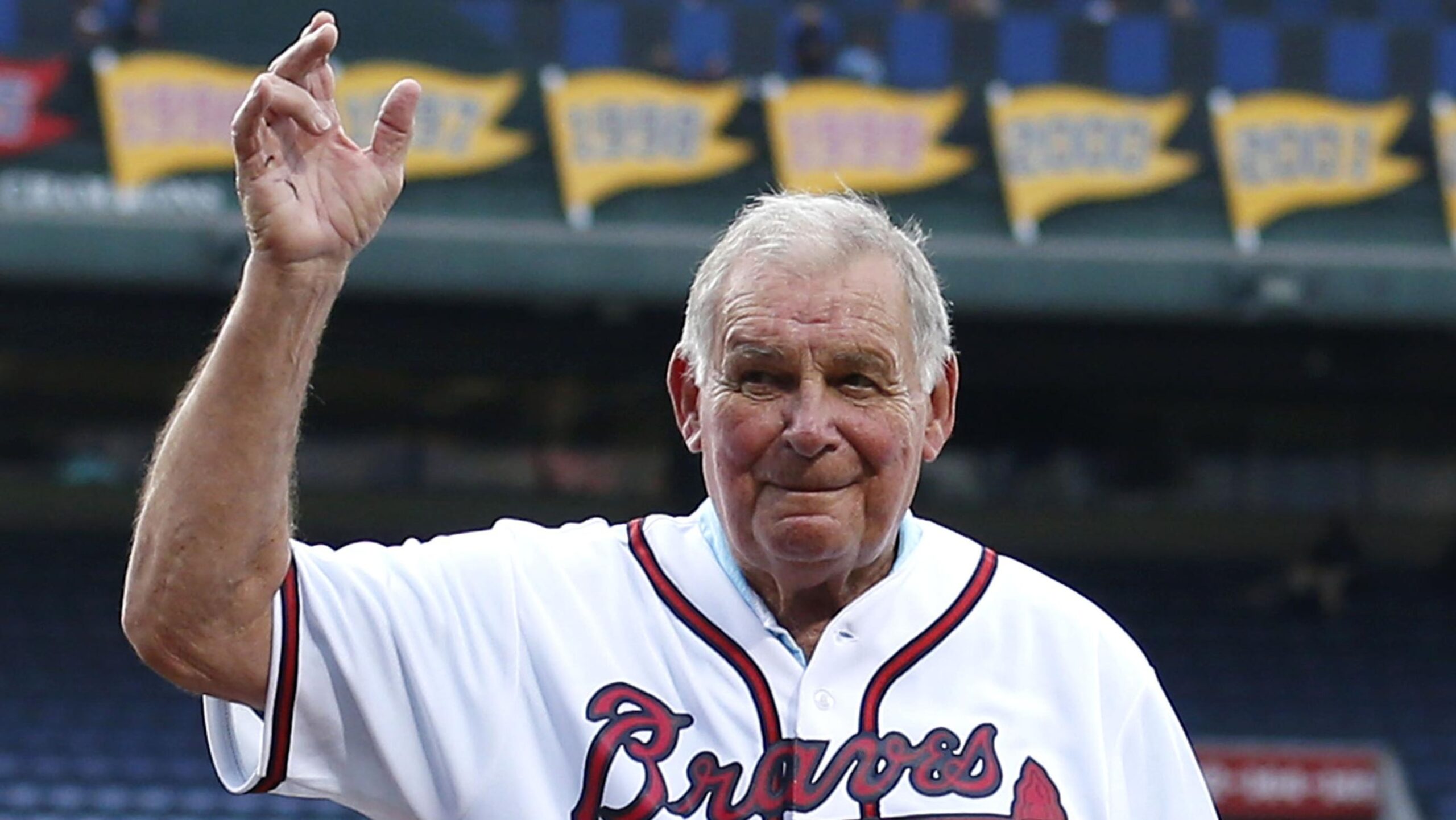
The Atlanta Braves have confirmed the passing of Bobby Cox on May 9, 2026, at the age of 84. His tenure represents a landmark case study in managerial longevity and institutional stability, fundamentally altering the competitive architecture of Major League Baseball. Cox’s legacy is anchored by an unprecedented 14 consecutive division titles (1991–2005) and the 1995 World Series championship—achievements that transformed a struggling franchise into a model of sustained excellence.
The Strategic Framework of Institutional Stability
The defining characteristic of the Cox era was the mitigation of the inherent volatility in professional sports. By securing 14 straight division titles, Cox demonstrated a peerless ability to navigate the 162-game season’s variance while maintaining elite performance standards across multiple roster iterations. This streak was not merely a byproduct of talent but the result of a strategic framework that prioritized organizational health and defensive consistency over high-risk, short-term acquisitions.
Economically, this era of dominance provided the Braves with significant market leverage and financial predictability. The guarantee of postseason contention for over a decade allowed the organization to cultivate a robust brand identity and negotiate high-value media rights. Cox’s clubhouse leadership functioned as the stabilizing force, effectively managing the human capital risks associated with player turnover and injury cycles.
Human Capital Optimization and the Pitching Nexus
Central to Cox’s operational success was his mastery of player development and asset management. In an industry where pitching longevity is a volatile variable, Cox oversaw the integration of the ‘Big Three’—Greg Maddux, Tom Glavine, and John Smoltz. His management of these core assets focused on workload optimization and tactical deployment, creating a pitching rotation that remains the gold standard for efficiency and durability.
Furthermore, Cox’s ability to transition prospects like Chipper Jones into franchise cornerstones underscores his role as a cultural steward. By bridging the gap between veteran leadership and emerging talent, he ensured a continuity of excellence. This internal talent pipeline allowed Atlanta to remain a championship contender without the unsustainable payroll inflation often observed in major-market rivals.
The 1995 World Series: Conversion of Competitive Equity
While the divisional streak proved consistency, the 1995 World Series title served as the critical validation of Cox’s philosophy. It represented the successful conversion of regular-season competitive equity into championship hardware, solidifying the Braves’ place in the sporting pantheon. His four Manager of the Year awards further quantify this operational efficiency, reflecting his ability to extract maximum marginal value from his personnel.
Cox’s 2014 induction into the National Baseball Hall of Fame formalizes his status as an institutional icon. For the Braves, his legacy provides a permanent foundation of prestige that continues to influence modern recruitment and brand equity. As the baseball world reflects on his loss, Cox remains the primary architect of a managerial blueprint that balanced traditional instincts with an uncompromising standard of organizational discipline.