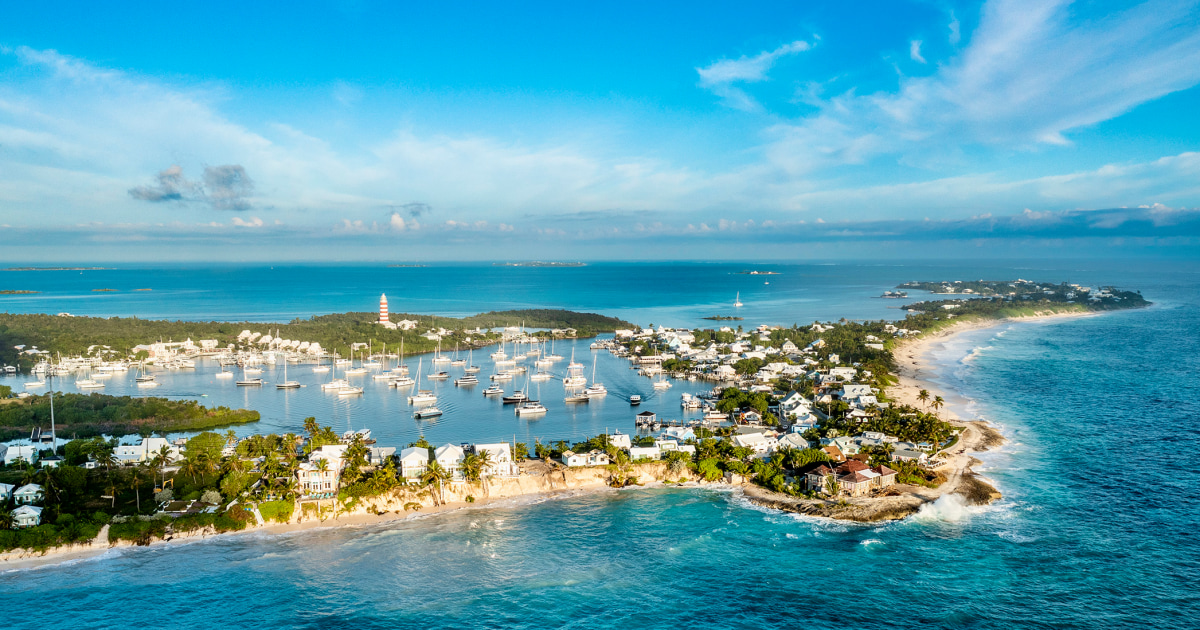
Authorities in the Bahamas have transitioned from a search to a recovery operation for Lynette Hooker, a 55-year-old American national from Onsted, Michigan. Ms. Hooker reportedly fell overboard during an evening boat trip on Saturday while traveling in an 8-foot hard-bottom dinghy from Elbow Cay back to her yacht, ‘Soulmate,’ with her husband, Brian Hooker, 58. The Royal Bahamas Police Force confirmed the operational shift, acknowledging the diminishing probability of a successful sea rescue.
Operational and Environmental Factors Influencing the Incident
The incident began amid reported poor weather conditions, leading to Ms. Hooker’s fall. According to Richard Cook of Hope Town Volunteer Fire and Rescue, strong currents carried her away, and her husband lost sight of her. The dinghy’s engine reportedly lost power when Ms. Hooker, wearing the engine safety lanyard, fell overboard, causing the lanyard to detach. This operational failure left Mr. Hooker attempting to paddle the vessel ashore against reported winds of 18-22 knots, which Cook noted prevented him from making headway.
Mr. Hooker eventually drifted approximately four miles towards Marsh Harbour, Abaco, arriving around 4 a.m. Sunday. He then alerted an individual who notified the police. The Royal Bahamas Police Force, in conjunction with the Royal Bahamas Defense Force and Hope Town Fire & Rescue, initiated search operations, now reclassified as recovery efforts, signaling the gravity of the situation and the critical time elapsed for survival.
Stakeholder Exposure and Risk Assessment in Maritime Incidents
The primary stakeholders directly exposed to risk are Lynette and Brian Hooker, and by extension, their families. The incident also highlights operational limitations and response capabilities of local maritime rescue services in the Bahamas, particularly in remote areas or challenging weather. The Royal Bahamas Police Force and Defense Force face reputational exposure based on the efficacy and efficiency of their search and recovery operations, which are subject to public and international scrutiny.
Financial implications for the Hookers and their insurers could be substantial, encompassing search and recovery costs, potential legal liabilities, and the profound emotional and psychological toll. For any associated charter or resort entities, the incident raises questions regarding vessel safety standards, pre-trip advisories, and emergency protocol adequacy. It underscores the inherent risks of small vessel operation in unpredictable marine environments.
Strategic and Institutional Implications for Maritime Safety
This event underscores the critical importance of robust maritime safety regulations and their enforcement, especially in popular tourist destinations. The reliance on small, potentially less stable vessels like an 8-foot dinghy for transit, particularly in adverse weather, suggests potential infrastructure or preferred transportation method gaps. The incident may prompt reviews of safety equipment requirements, mandatory weather checks, and communication protocols for small boat operators in the Bahamas.
Institutionally, the Royal Bahamas Police Force and Defense Force manage complex, multi-agency responses across a geographically dispersed archipelago. Their effectiveness in search and rescue operations is crucial for maintaining confidence among tourists and residents. The outcome of this investigation and recovery effort could influence future resource allocation, training, and inter-agency cooperation for maritime emergencies.
Downstream Effects on Tourism and Market Perceptions
Widespread reporting of this incident could negatively impact marine tourism in the Bahamas, affecting yacht operators, charter services, and water sports providers. Potential visitors might reassess travel plans or opt for destinations perceived as having superior maritime safety infrastructure. This could lead to decreased bookings and revenue, prompting industry stakeholders to advocate for enhanced safety measures and public reassurance.
Media coverage significantly shapes public perception and travel decisions. The narrative derived from the investigation and reporting will be critical in determining the long-term impact on the Bahamas’ reputation as a safe tourist destination. Emphasis on strong currents and engine failure, if substantiated, could increase scrutiny of vessel maintenance and operator training standards across the region.
Analysis of Operational Leverage and Performance Factors
The reported loss of engine power due to the safety lanyard detaching is a critical operational detail. This feature, designed to prevent a runaway boat, inadvertently immobilized the vessel in a critical situation. The effectiveness of such safety mechanisms is tied to their design, user adherence, and immediate emergency circumstances. Mr. Hooker’s inability to regain control or propulsion highlights a significant operational vulnerability in small craft operations.
Reported wind conditions of 18-22 knots indicate a challenging environment for small boat navigation and rescue. This wind level can create significant wave action and drift, complicating search patterns and increasing risk to individuals in the water. Mr. Hooker’s inability to make headway paddling underscores the power of these environmental factors and the limitations of human-powered propulsion, highlighting the need for reliable engine function and appropriate vessel selection for prevailing weather.
Capital Movement and Investment Implications in Maritime Safety
While direct capital movement is not detailed, the incident could indirectly influence investment in maritime safety technology and infrastructure in the Bahamas. Stricter regulations or increased demand for enhanced safety features could spur investment in improved communication systems, advanced navigation aids, and more robust vessel designs. Investors in tourism and maritime sectors may re-evaluate risk profiles and seek opportunities prioritizing safety and operational reliability.
Insurance providers will monitor the investigation’s outcome. Claims and potential premium increases for regional maritime activities could reflect a recalibration of risk assessment. This might lead to capital redirection toward more secure ventures or investments aimed at mitigating identified risks through technological or operational improvements.
Competitive Landscape and Industry Positioning Considerations
For other Caribbean destinations, this incident could offer a competitive advantage if they maintain superior maritime safety standards. Competing regions may leverage such events to highlight their own safety protocols. This could shift marketing efforts toward emphasizing safety assurances to attract risk-averse travelers.
Within the Bahamas, the incident may intensify competition among operators to demonstrate their commitment to safety. Businesses proactively implementing and promoting enhanced safety measures may gain an edge. This could drive innovation in safety equipment, training, and operational procedures, potentially leading to higher industry standards or operator consolidation due to the cost of meeting stricter requirements.
Performance Leverage and Future Preparedness in Rescue Operations
The performance of the rescue and recovery operation will be a key metric for evaluating Bahamian authorities’ preparedness. Success in locating Ms. Hooker, even for recovery, would indicate operational effectiveness. Conversely, prolonged or unsuccessful efforts could highlight deficiencies in resources, training, or coordination, impacting future performance evaluations and potentially prompting reform calls.
The incident serves as a critical case study for performance leverage in maritime safety. Analyzing the sequence of events, response times, and challenges allows agencies to identify areas for improvement, including refining protocols for small vessel operations, enhancing search and rescue techniques in difficult conditions, and improving inter-agency communication. Lessons learned will be vital for enhancing future preparedness and minimizing similar incidents’ impact.
Regulatory and Compliance Considerations for Maritime Activities
The incident may trigger a review of existing maritime regulations in the Bahamas, particularly concerning small vessel operation, safety equipment mandates, and reporting requirements for missing craft. Compliance with international maritime safety standards, such as those from the International Maritime Organization (IMO), could receive greater focus. This might involve increased inspections, stricter operator licensing, and enhanced enforcement of existing rules.
For U.S. nationals traveling to the Bahamas, this event might increase awareness of specific maritime risks and regulatory frameworks. It could also foster dialogue between U.S. and Bahamian authorities regarding traveler safety and emergency response coordination, potentially strengthening bilateral cooperation on maritime safety and security.
Cultural and Societal Impact on Destination Perception
Incidents involving foreign nationals in tourist destinations can broadly impact international perceptions of a country’s safety and hospitality. The handling of this event, from response to outcome, will shape the narrative surrounding the Bahamas as a travel destination. Sensitive and effective management can reinforce positive perceptions, while perceived mishandling could lead to negative publicity and reduced tourism.
Locally, the incident serves as a stark reminder of the marine environment’s inherent dangers. It can foster greater community responsibility for safety, encouraging vigilance and reporting of concerns. The engagement of local volunteer services highlights the critical role of community involvement in emergency response, underscoring the interconnectedness of official agencies and local support networks.
Information Dissemination and Media Responsibility in Reporting
The reporting of this incident by various media outlets underscores journalism’s role in informing the public about safety concerns and emergencies. The accuracy, tone, and depth of reporting are crucial for shaping public understanding and influencing traveler behavior. Responsible reporting focuses on factual accounts, official statements, and operational aspects, avoiding sensationalism or speculation.
Dissemination of information regarding the incident contributes to broader awareness of maritime risks. This information serves as a valuable tool for education and prevention, prompting individuals to take greater precautions. Media’s ability to convey the complexities of maritime emergencies, including environmental challenges and operational limitations, is vital for informed decision-making among potential travelers and maritime operators.