
Strategic Mobilization of State Emergency Assets
Governor Greg Abbott has directed the Texas Division of Emergency Management (TDEM) to escalate its operational posture in response to an impending severe weather system. This state-level mobilization reflects a proactive strategy to mitigate the impact of high-velocity winds and substantial hail accumulation across Texas.
The deployment centers on pre-positioning specialized search-and-rescue teams and swiftwater boat squads in high-risk zones. By decentralizing these assets to local jurisdictions, the state effectively reduces response latency during critical windows of impact.
Meteorological Risks and Operational Scope
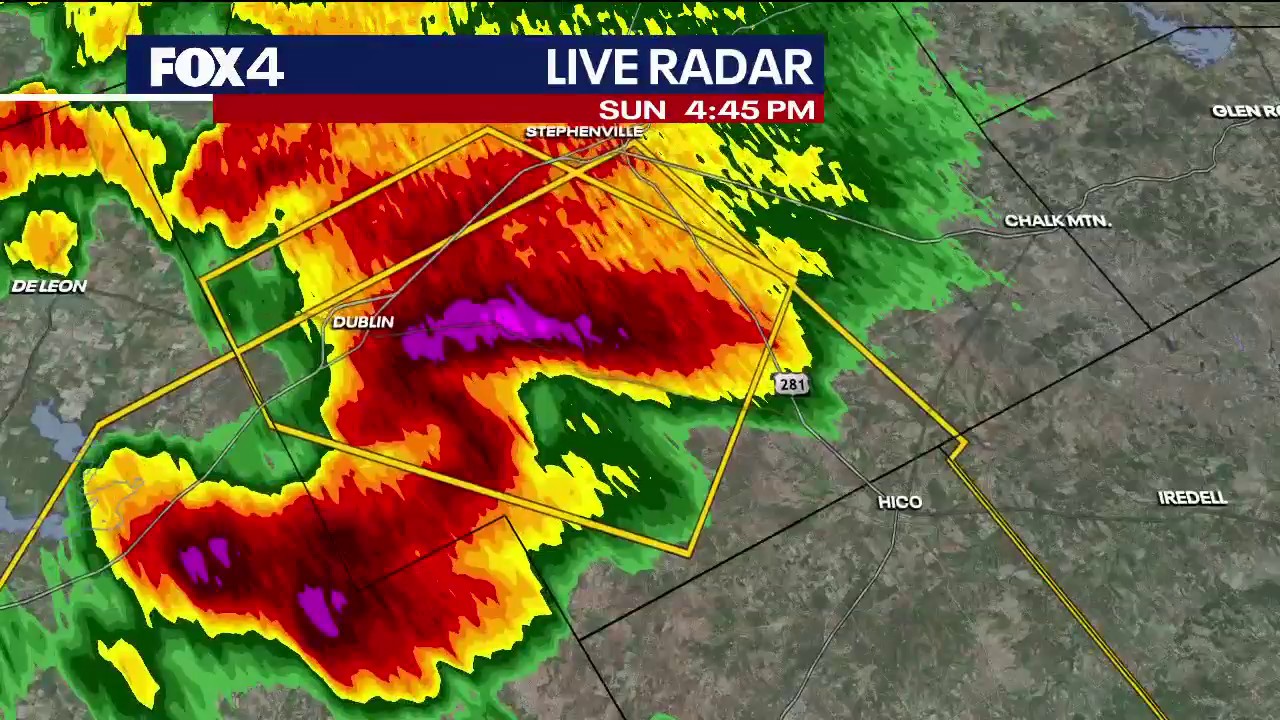
Current forecasts indicate a broad geographic impact, specifically affecting West, North, East, and Central Texas. The system features wind gusts exceeding 75 mph and hail diameters surpassing 2 inches, presenting high-level threats to critical infrastructure and public safety. Furthermore, hydrologists warn of 6 to 10 inches of projected rainfall in isolated corridors, necessitating the integration of specialized water-rescue teams into the primary tactical response.
Institutional Coordination and Local Support
The state-led intervention acts as a force multiplier for local emergency agencies. By centralizing the deployment of specialized hardware, such as swiftwater rescue vessels, the state minimizes administrative burdens on municipal officials—notably in regions like Dublin where significant hail damage has already been logged. This framework ensures that operational continuity is maintained even when local assets face peak demand.
Infrastructure and Economic Resilience
The economic implications of this storm cycle are significant, with high-velocity winds and large hail likely to trigger extensive property insurance claims. Pre-positioning resources serves a dual purpose: immediate life-safety operations and long-term risk mitigation. By preparing for potential flash flooding and structural damage, the state aims to reduce overall recovery timelines and associated disaster expenditures.
Evaluation of Evolving Response Frameworks
The ongoing response underscores a shift toward data-driven, state-led disaster management. This model relies on the integration of real-time meteorological modeling with tactical asset allocation. As the storm system progresses, the efficacy of these pre-positioned teams will serve as a key metric for refining future disaster preparedness policies and strengthening regional infrastructure against the growing frequency of extreme meteorological volatility.

Photo by albertoadan on Pixabay.