

Institutional Resilience in the Wake of Tragedy
The death of two-time NASCAR Cup Series champion Kyle Busch at 41 has necessitated an immediate restructuring of Richard Childress Racing (RCR). The decision to retire the No. 8 car for the 2026 season deviates from standard competition protocols, functioning as both a symbolic tribute and a logistical recalibration. By transitioning assets to the No. 33 Chevrolet driven by Austin Hill, RCR maintains its competitive presence while mitigating the personnel vacuum created by the vacancy.
Clinical Overview and Transparency
According to family statements reported by FOX Sports, Busch’s cause of death was severe pneumonia leading to sepsis. The rapid progression of this condition underscores the clinical volatility of infectious diseases even among elite athletes. This medical transparency, while somber, is essential in professional sports, where the health and availability of primary drivers are central to both regulatory compliance and fan engagement.
Strategic Brand Management
RCR’s choice to reserve the No. 8 for a potential future successor—specifically linked to the Busch family legacy—is a sophisticated exercise in brand preservation. This long-term strategy prevents the potential devaluation of a primary team identity. Meanwhile, the short-term deployment of Austin Hill in the No. 33 entry fulfills existing sponsorship and technical obligations, ensuring the team remains a viable participant in the Cup Series ecosystem.
Industry-Wide Commercial Implications
The loss of a championship-caliber driver triggers ripple effects throughout the NASCAR business model. Beyond the immediate emotional impact, organizations must recalibrate broadcast narratives and sponsorship portfolios. As the industry pivots, the focus shifts to how teams and stakeholders manage brand continuity during unexpected transitions. RCR’s swift adherence to NASCAR administrative rules regarding entry status provides a blueprint for how sports organizations can maintain stability under intense systemic stress.
Analytical Synthesis
The events surrounding Busch’s passing serve as a definitive case study in crisis management. By balancing the preservation of team history with the requirements of a high-stakes commercial environment, RCR demonstrates the resilience required at the Cup Series level. The remainder of the 2026 season will test the organization’s ability to integrate new talent while navigating the absence of one of the sport’s most prominent figures.
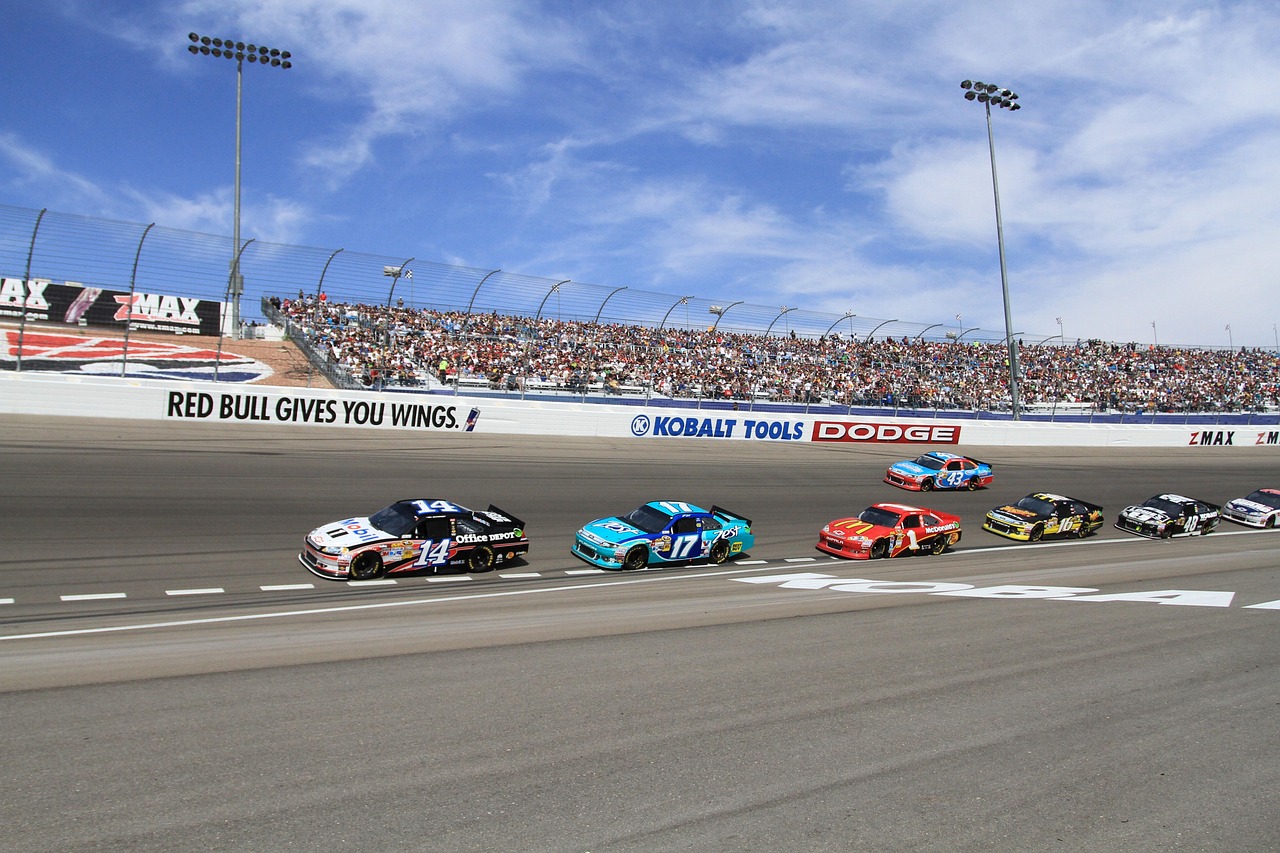
Photo by PublicDomainPictures on Pixabay.