Strategic Valuation: The Analytical Edge of Understated Performance
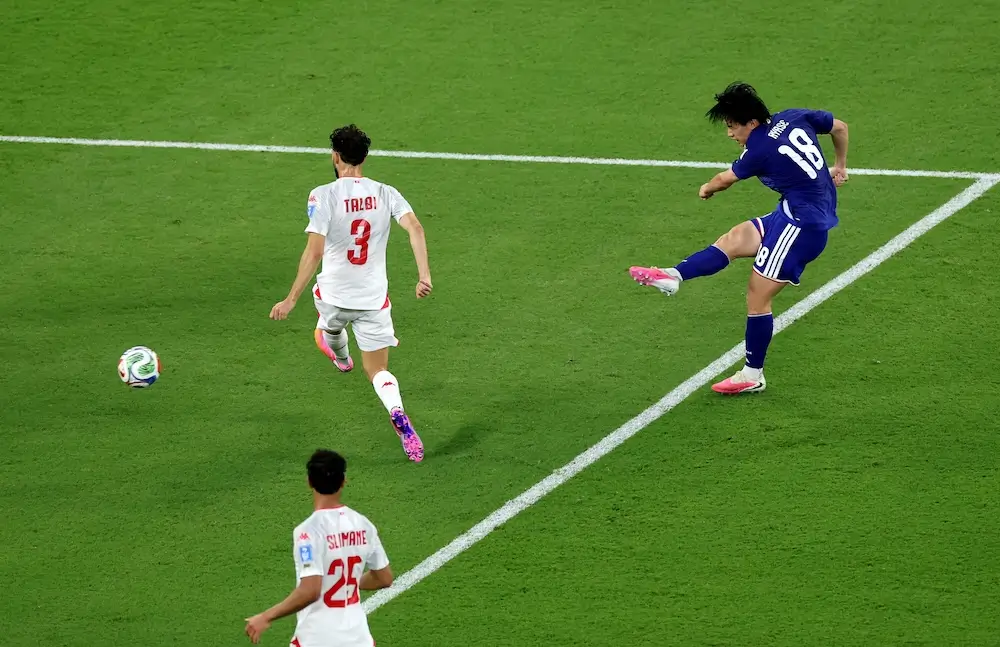
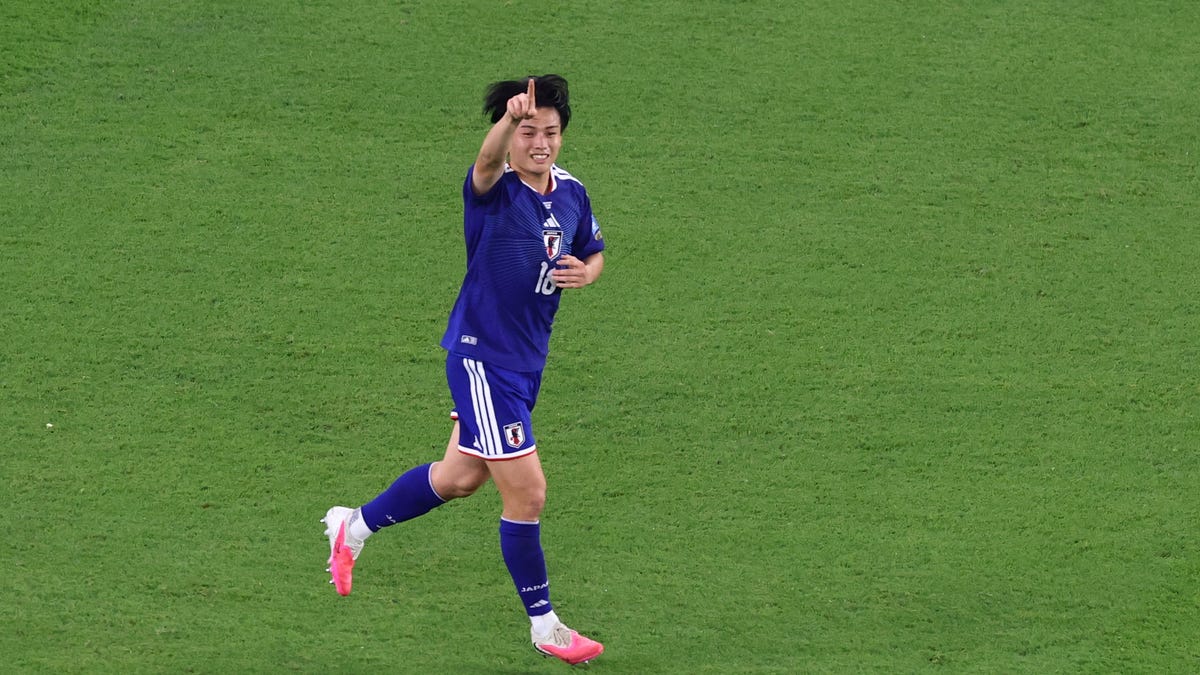
Ayase Ueda’s recent World Cup brace against Tunisia, following his stellar Eredivisie scoring title, delineates a unique profile in elite football. His distinctive lack of elaborate celebration, a stark contrast to prevalent contemporary norms, transcends mere personal preference to become a strategic asset in player branding and professional conduct. This deliberate modesty, articulated as “my style, my modesty,” redirects focus from individual theatrics to collective achievement, subtly bolstering team cohesion and shaping external perceptions of the squad’s ethos.
The operational implications of such a demeanor extend profoundly into team dynamics and leadership. A player who consistently prioritizes humility, even after significant individual success, fosters an environment of mutual respect and shared purpose. This approach effectively mitigates potential internal friction, ensuring that individual brilliance synergizes with collective strategic objectives rather than becoming a disruptive element. Ueda’s acknowledgment of family sacrifices and spousal support further embeds his professional conduct within a framework of gratitude and groundedness, cultivating an authentic image that enhances long-term player marketability and public goodwill beyond raw athletic performance metrics.
Market Dynamics & Data-Driven Player Valuation
Ueda’s sustained performance at the Eredivisie and subsequent World Cup goals serve as high-leverage data points within the global transfer market. These contributions empirically validate his consistent club form against top international competition, significantly amplifying his perceived strategic and financial value. The Eredivisie, a respected proving ground, combined with World Cup efficacy, signals readiness for increased competitive demands, drawing data-driven scouting attention from major leagues.
Player valuation in modern football is a complex calculus integrating statistical performance with intangible qualities like temperament, adaptability, and market appeal. Ueda’s unique blend of clinical finishing and understated professionalism offers a differentiated profile, potentially commanding premium interest. His low-ego approach reduces perceived integration risk for clubs, a factor increasingly weighted in sophisticated analytical models. This creates a strategic window for his current club to capitalize on heightened market interest, balancing talent retention against significant capital gain from a high-value, analytically validated asset.
Japan’s Tactical Ascendancy & Performance Analytics
Japan’s dominant 4-0 victory over Tunisia was not merely a result but a strategic statement, showcasing a sophisticated tactical framework informed by rigorous analytics. The team’s emphasis on “movement, crisp passing, and high-octane pressing” are hallmarks of a meticulously planned operational strategy designed for tempo control, spatial dominance, and opponent suffocation. This systemic efficiency is measurable through key performance indicators such as possession metrics, passing accuracy under pressure, and successful pressing actions.
The tactical versatility demonstrated by the Blue Samurai, highlighted by former Spain international Thiago Alcantara, indicates a deep understanding of modern football’s dynamic demands. This adaptability, allowing for adjustments in formations and pressing schemes, maximizes competitive advantage across varied match scenarios. Jon Obi Mikel’s assessment of Japan as “the most exciting team to watch” underscores their entertainment value, which has significant implications for national team brand equity, fan engagement, and commercial appeal, all underpinned by data-validated captivating play. The coach’s noted “calmness” suggests a stable, confident leadership approach critical for executing complex tactical instructions in high-pressure tournament environments.
Institutional Strategy & National Football Development Pipelines
Japan’s consistent World Cup performance reflects a long-term, multi-faceted institutional strategy by the Japan Football Association (JFA). This strategy demonstrably emphasizes robust youth development programs, advanced coaching education, and the strategic placement of promising players in competitive European leagues to accelerate their professional growth through targeted exposure and diverse playing styles.
The tactical sophistication and elite physical conditioning displayed by the national team are products of sustained investment in sports science, performance analytics, and player welfare programs. These operational pillars ensure players arrive at major tournaments in peak condition, capable of executing demanding tactical systems with high fidelity. Matching the Netherlands in Group F—a traditional football powerhouse—with parity on points and goal difference, illustrates Japan’s empirical emergence as a legitimate contender, challenging established competitive hierarchies and validating the efficacy of the JFA’s strategic decision-making in player selection and tactical philosophy. Prioritizing a cohesive, high-energy system over individualistic approaches demonstrates a clear, data-informed vision for sustained international success.
The Media Narrative & Global Perception Reconfiguration
The commentary from prominent pundits like Jon Obi Mikel and Thiago Alcantara plays a crucial role in shaping the global media narrative around emerging football nations. Their authoritative endorsements, describing Japan as a “team to watch” and highlighting their tactical prowess, elevate the team’s profile beyond mere results, lending analytical weight to their performance. This positive media exposure has cascading effects, influencing public perception, sponsor interest, and player confidence, thereby enhancing the national football program’s brand and attracting further investment.
The contrast between Tunisia’s perceived disarray—evidenced by the rushed managerial appointment of Herve Renard—and Japan’s seamless, analytically driven execution further amplifies Japan’s positive narrative. This juxtaposition highlights the critical importance of stable leadership and a well-defined strategic plan in achieving international football success. Such media narratives contribute to a broader shift in how Asian football is perceived globally. Japan’s consistent displays of tactical intelligence and physical intensity, validated by expert analysis, challenge outdated stereotypes, positioning them as innovators and competitive forces rather than perennial underdogs.
The Evolving Professional Football Ecosystem: A Holistic Perspective
Ayase Ueda’s career trajectory, from Eredivisie’s top scorer to World Cup goal-scorer, exemplifies the modern pathway for non-traditional footballing nations to develop elite talent. This progression underscores the increasing globalization of data-driven scouting networks and the meritocratic nature of top-tier European leagues as talent incubators, optimizing player pathways based on performance and potential.
The strategic importance of World Cup performances for individual players cannot be overstated; these tournaments serve as unparalleled showcases. They offer a platform for players to significantly enhance their market value and secure lucrative transfers to more prominent clubs, fundamentally altering their career trajectories. For national federations, strong World Cup showings are critical for attracting investment, developing infrastructure, and inspiring future generations of players. Japan’s success provides a powerful domestic incentive, reinforcing the JFA’s development programs and potentially increasing participation rates at grassroots levels.
The collective strength and tactical discipline exhibited by Japan also reflect a broader trend in international football, where well-drilled, cohesive units, optimized through analytics, can often overcome teams with superior individual talent. This emphasizes the paramount strategic importance of coaching, team chemistry, and a unified, data-informed tactical vision in achieving tournament success. Ultimately, the narrative surrounding Ayase Ueda and the Japanese national team illustrates the multifaceted, interconnected nature of success in modern football, combining individual excellence with collective strategy, cultural values with commercial imperatives, and on-field performance with off-field perception, all contributing to the sport’s dynamic and ever-evolving global ecosystem.