The Repeat Performance in Livigno and High-Stakes Rivalries
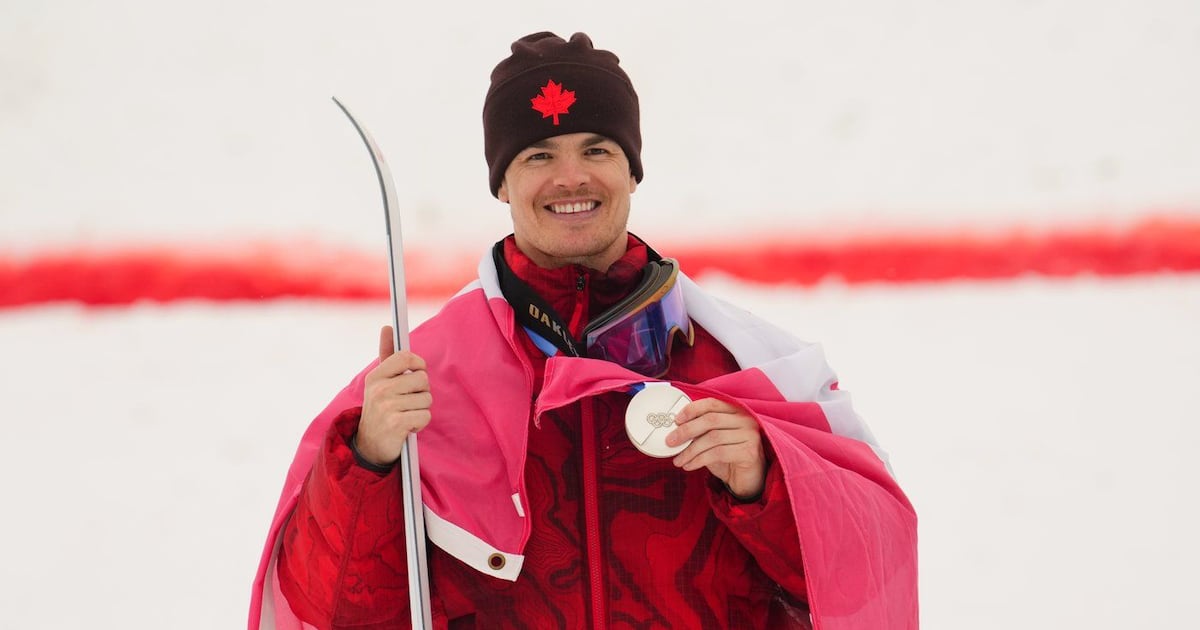
The men’s snowboardcross competition at the Winter Olympics in Livigno, Italy, concluded with a result that echoed the previous cycle, emphasizing the enduring dominance of specific national programs in high-speed events. Austria’s Alessandro Haemmerle secured the gold medal, successfully defending his title, while Canada’s Eliot Grondin captured the silver, replicating the exact top two placements seen in 2022.
This outcome, achieved during the competitive window of the Milano Cortina 2026 Games, represents more than a singular athletic achievement; it underscores the exceptional consistency and structural planning required to maintain elite performance across the demanding four-year Olympic cycle. The narrow margin defining the final finish also reaffirms the competitive intensity that characterizes high-velocity, contact-heavy disciplines like snowboardcross, where tactical decisions and momentary advantages dictate the ultimate distribution of medals.
Athlete Development and National Sports Funding Models
The ability of both Austria and Canada to place their athletes consistently on the podium in such a volatile event speaks directly to their respective national investment strategies and performance management systems. These results are not merely a function of individual talent but the output of institutionalized athlete pipelines designed to mitigate risk and optimize peak physical condition during the specific competitive period.
Austria’s Legacy and Institutional Investment in Alpine Sports
Austria’s continued mastery in specialized snow sports is deeply integrated into its national identity and economic framework, where success is viewed as a strategic asset supporting the country’s extensive winter tourism sector. The institutional support structure benefits from high levels of public and private investment, channeled into world-class training centers and continuous professional development for coaches and support staff.
This sustained focus ensures that the talent funnel remains robust, capable of identifying and developing athletes equipped for the high demands of precision and speed required in racing disciplines. Haemmerle’s repeated success validates a systemic approach that emphasizes technical refinement and course adaptability, enabling athletes to execute consistently even under the high-pressure environment of an Olympic final.
The Canadian High-Performance Strategy and Multi-Discipline Success
Canada’s repeated capture of silver medals—noted specifically through Grondin’s performance and also referencing the national tally that includes results such as those achieved by Kingsbury in moguls—reflects a highly targeted, data-driven approach to resource allocation. High-performance funding organizations often employ sophisticated analytical models to allocate finite budgets across diverse sports, prioritizing disciplines where medal potential is deemed highest.
Achieving success in disparate technical fields like the tactical mass start of snowboardcross and the highly judged technicality of moguls confirms the efficacy of this centralized strategic planning. It requires significant logistical coordination to ensure that specialized training facilities, technical coaching teams, and international competitive exposure are optimized for athletes across multiple winter disciplines simultaneously, maximizing the national medal haul potential.
The Operational Blueprint of Milano Cortina 2026
The successful execution of the snowboardcross competition in Livigno is an essential logistical marker for the broader Milano Cortina 2026 organization. Hosting events in clustered venues, often geographically separated from the primary Olympic Village, necessitates complex coordination regarding transportation, security, technical infrastructure, and course maintenance.
Snowboardcross courses require massive earthmoving, snow management, and safety netting installation tailored for extreme speeds and contact, demanding substantial capital investment and precise execution by the local organizing committees. The successful delivery of a repeatable, world-class competitive surface under varying weather conditions is a testament to the proficiency of the venue management teams and specialized engineering capabilities involved in constructing the temporary, high-impact racing facilities.
The Economic Significance of Consistent Podium Finishes
For the national Olympic committees (NOCs) and international sports federations, the spectacle generated by repeated, close rivalries significantly impacts the commercial valuation of the sport. Consistent high-profile results, particularly those involving athletes from economically powerful nations, enhance media rights negotiations and attract higher-tier corporate sponsorships.
Individual athletes, such as Haemmerle and Grondin, transform repeated podium appearances into long-term commercial assets, securing essential endorsements that bridge the funding gaps left by state or institutional support. This commercial validation is crucial for sustaining the professional lifestyle required to compete at the absolute peak of winter sport, often covering specialized equipment, extensive travel, and year-round training camps.
Long-Term Implications for Host City Logistics and Legacy
The designation of Livigno as a key competitive site for Milano Cortina 2026 carries implications for regional development and post-Games legacy planning. Organizing specialized events necessitates upgrades to local infrastructure, including access roads, media facilities, and potentially athlete housing, investments that must be justified through anticipated long-term utilization.
While temporary infrastructure serves the immediate competitive need, the true measure of success for the host cluster involves converting newly built assets or utilized natural features into sustainable training venues or tourist attractions. This strategy is vital for maximizing the return on the significant public and private capital expenditure incurred during the preparation phase for the Winter Games.
The Competitive Landscape and Future Cycles
The repeated rivalry observed in men’s snowboardcross serves as a crucial data point for strategic planning across all competing nations. It highlights that technical proficiency, supported by systematic institutional stability, ultimately overcomes the inherent variability of the sport.
As national sports bodies begin planning for the next quadrennial cycle, the task remains twofold: first, maintaining the level of excellence demonstrated by current medalists; and second, identifying and nurturing the next generation of talent to challenge the established hierarchy. The consistency of results achieved by both Haemmerle and Grondin places immense pressure on rival programs to overhaul or refine their own athlete development systems to interrupt what has, across two cycles, become a predictable distribution of advantage at the highest level of Olympic competition.