
Punjab Kings’ Strategic Shift Challenges IPL Hierarchy
The early stages of the Indian Premier League 2026 season have seen a notable recalibration of competitive dynamics, highlighted by Punjab Kings’ decisive victory against Chennai Super Kings. The successful chase of 210 runs at the MA Chidambaram Stadium, a venue traditionally known for favoring the home side and challenging high-target pursuits, underscores a significant shift in strategic execution and player performance leverage. Punjab Kings’ early momentum, described as “two wins on the bounce,” positions them as a formidable force early in the tournament, demonstrating an operational maturity that contrasts with previous seasons where the team often struggled for consistency. This victory against a historically strong franchise like CSK signals a potential disruption to the league’s established hierarchy, forcing a re-evaluation of competitive positioning for opposing teams.
The High-Leverage Powerplay: Priyansh Arya’s Impact Analysis
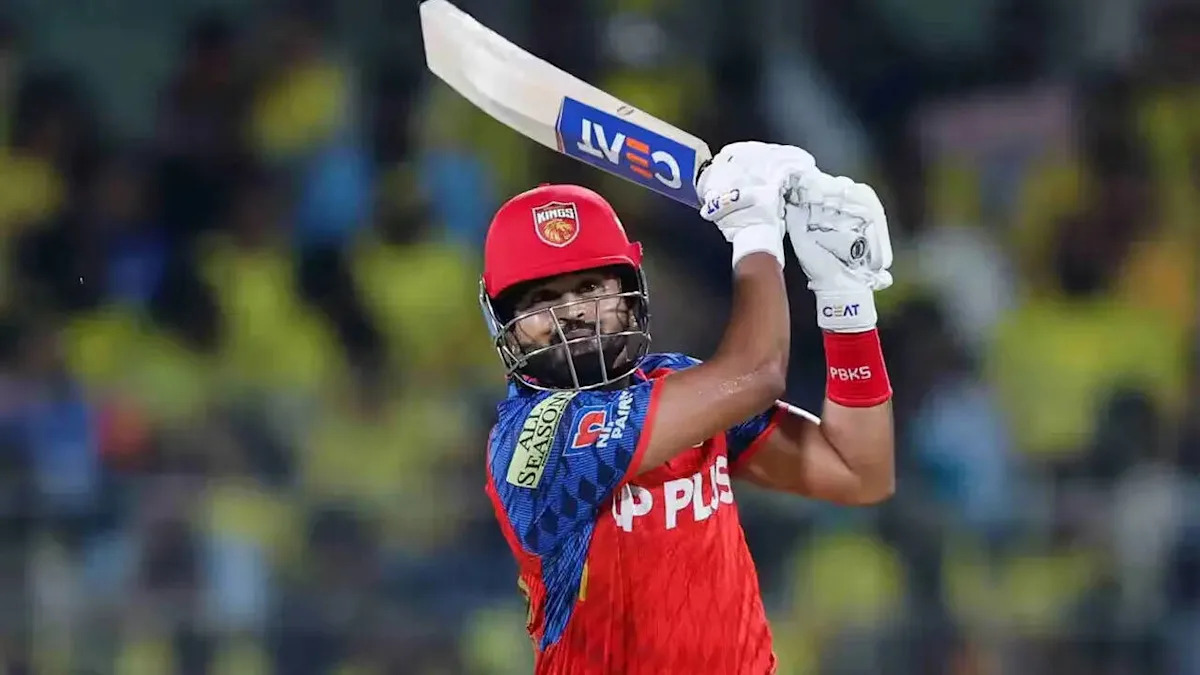
The strategic leverage gained during the powerplay phase proved decisive in Punjab Kings’ successful chase. Priyansh Arya’s performance, specifically his 39 runs off just 11 balls, created an early positive run-rate differential. This high-impact contribution fundamentally altered the required run rate calculation for the subsequent overs, neutralizing the pressure associated with chasing 210. Arya’s ability to “virtually kill off the game” in the initial phase demonstrates the increasing importance of high-strike-rate openers in T20 cricket, where early momentum dictates the psychological and strategic trajectory of the chase.
Arya’s performance, described as a continuation of his form as a “shining star of last IPL,” highlights the value of sustained high-leverage talent. In franchise-based leagues, players capable of delivering such impactful performances consistently become central to team strategy and resource valuation. His aggressive approach against key opposition bowlers, including Matt Henry, Khaleel Ahmed, and Anshul Kamboj, indicates a deliberate strategy to dismantle the bowling attack early on. By reducing the required run rate significantly in the powerplay, Punjab Kings minimized the risk associated with chasing high totals, allowing the middle order, including Prabhsimran Singh and Cooper Connolly, to sustain high-impact scoring without succumbing to pressure.
CSK’s Execution Failures and Tactical Assessment
CSK captain Ruturaj Gaikwad’s post-match analysis provides insight into the operational failures that contributed to the loss. Gaikwad specifically addressed the performance of the bowling unit, noting a mixture of successful execution and critical errors. He stated that the team “didn’t execute at the right time,” specifically mentioning the concession of boundaries or sixes during overs that were otherwise going well. This highlights the high-leverage nature of T20 bowling, where even minor deviations from tactical plans can compound into significant run concessions, preventing the build-up of pressure required to defend high totals.
Gaikwad also detailed the tactical decision regarding resource allocation, specifically mentioning the use of two wristspinners in tandem during the middle overs. He noted that this strategy was intended to leverage the pitch conditions, which he described as “slightly gripping for spinners” and favorable for slower balls. However, Gaikwad attributed the loss to a “slight off day for both of them,” indicating a failure of execution despite a sound strategic premise. This underscores the challenge of translating tactical planning into on-field performance, especially under pressure from high-impact batting. The failure of the spin attack to capitalize on these conditions, as described by Gaikwad, points to a critical operational breakdown where specific execution errors overshadowed a well-intentioned strategic approach.
Strategic Implications: Momentum Dynamics and Resource Valuation
Gaikwad’s comments on momentum highlight a key strategic element of T20 cricket. He noted that the team failed to gain momentum in the middle overs, stating that a couple of good overs could have increased the required run rate from 11 to 12 or 13 an over. The early acceleration by Punjab Kings, led by Arya, effectively prevented CSK from establishing this pressure point. This demonstrates the importance of building pressure incrementally through consistent execution. For franchises, building early momentum, as Punjab Kings achieved, creates a positive feedback loop, enhancing team cohesion and performance under pressure. Conversely, CSK’s struggles with execution and momentum building, as described by Gaikwad, highlight the operational challenges of maintaining high performance standards in a high-stakes competitive environment.
Priyansh Arya’s high-impact performance and status as a “shining star” have significant implications for player valuation and resource allocation strategies in franchise cricket. Players who consistently deliver high-strike-rate performances, particularly in the powerplay, command a premium in league auctions. Arya’s ability to “virtually kill off the game” in a short span demonstrates a high return on investment for the franchise. This validates the strategic decision to invest in players who possess specific high-leverage skills, rather than relying solely on traditional metrics like average or total runs scored. The outcome of this match serves as a case study in how high-leverage performances in critical phases can override tactical planning and resource advantages.