Arizona’s Roster Strategy Challenges Transfer Portal Economics
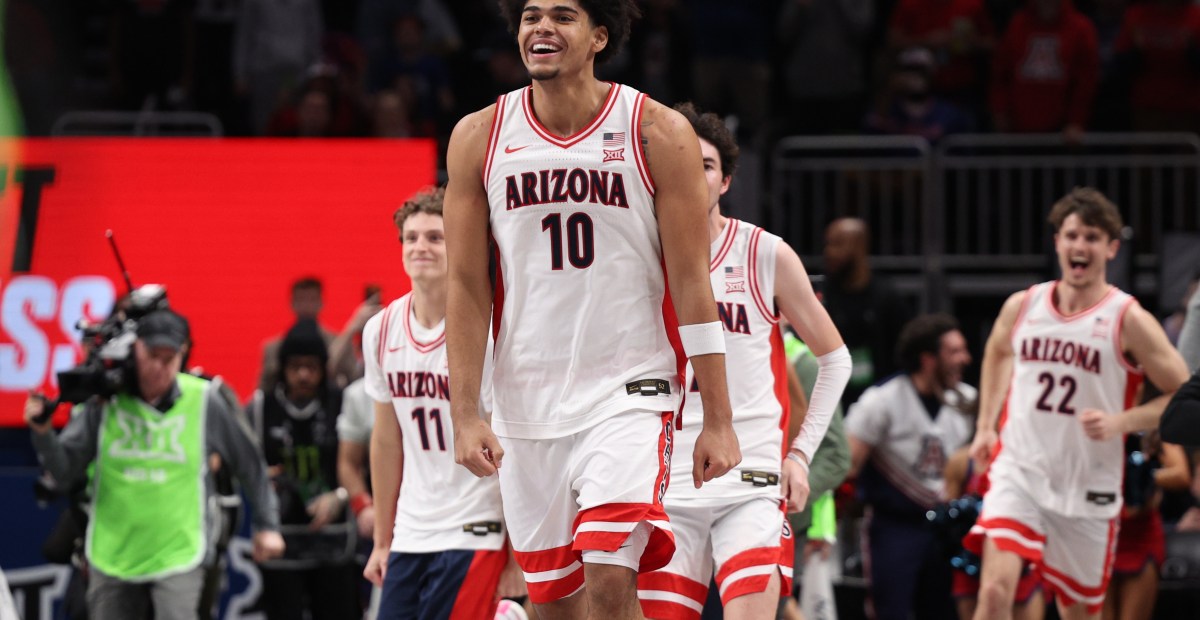
The University of Arizona men’s basketball program secured a No. 1 seed in the 2026 NCAA Tournament by strategically prioritizing high school recruits over high-value transfers, a decision that runs counter to prevailing trends in collegiate athletics. This approach is anchored by a freshman class that has collectively scored 1,461 points—a national high among active first-year players. Coach Tommy Lloyd’s strategy emphasizes internal talent development and long-term roster construction, offering a successful alternative to the immediate, transactional model favored by many programs in the transfer portal era.
Strategic Cost-Benefit Analysis and Market Dynamics
Arizona’s strategy directly challenges the conventional wisdom that immediate competitive success requires acquiring experienced, high-cost transfers. In the current market, programs often face significant financial pressure from high NIL valuations and recruitment expenses for established players. By opting out of this intense competition for short-term gains, Arizona reallocates resources toward long-term talent identification and development. This decision reduces immediate financial strain while fostering a culture of internal growth, creating a distinct competitive advantage for the institution.
However, this developmental model introduces specific retention risks. As Arizona’s freshmen gain experience and national recognition, they become highly attractive targets for other programs via the transfer portal. This creates a feedback loop where successful development increases the risk of talent poaching. The institution’s long-term success will thus hinge on managing these retention risks, potentially requiring significant future NIL commitments to keep high-value assets from entering the transfer market, effectively shifting the financial burden from initial acquisition to long-term asset management.
Operational Context and Industry Implications
The success of Arizona’s youth-heavy roster is evident in key performance metrics, including a 32-2 record and a nine-game winning streak entering the tournament. The team’s high seed and strong performance metrics position them as favorites, with a 99.6 percent chance of winning their opening game against Long Island University, according to KenPom.com. The upcoming NCAA Tournament provides the ultimate test of this strategic leverage, determining if this developmental model can consistently compete against programs built through transactional transfer strategies.
This success enhances the coaching staff’s reputational capital and strengthens the university’s brand identity as a developer of talent. The media narrative surrounding Arizona’s youth movement offers a compelling counterpoint to the transactional nature of modern college athletics. If this developmental model proves capable of winning a national championship, it could trigger broader industry consequences, potentially rebalancing market dynamics by reducing demand for high-cost transfers and increasing competition for high school recruits, thereby influencing resource allocation strategies across college athletics.