Apple TV+’s ‘Widow’s Bay’: Economic Ambition Collides with Supernatural Reality
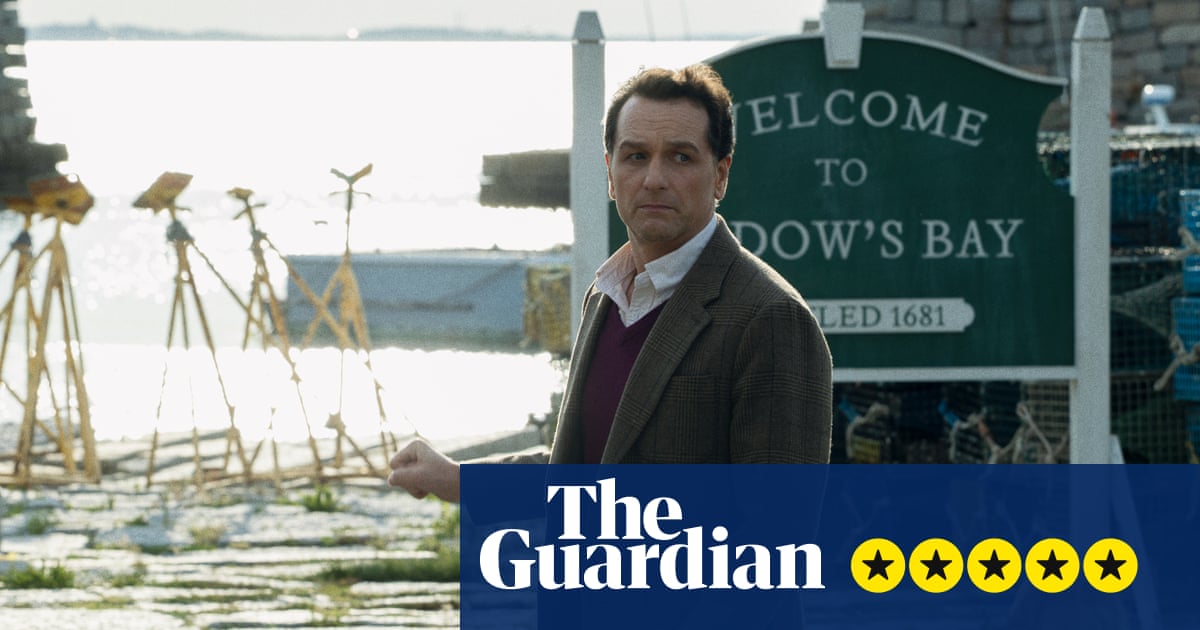
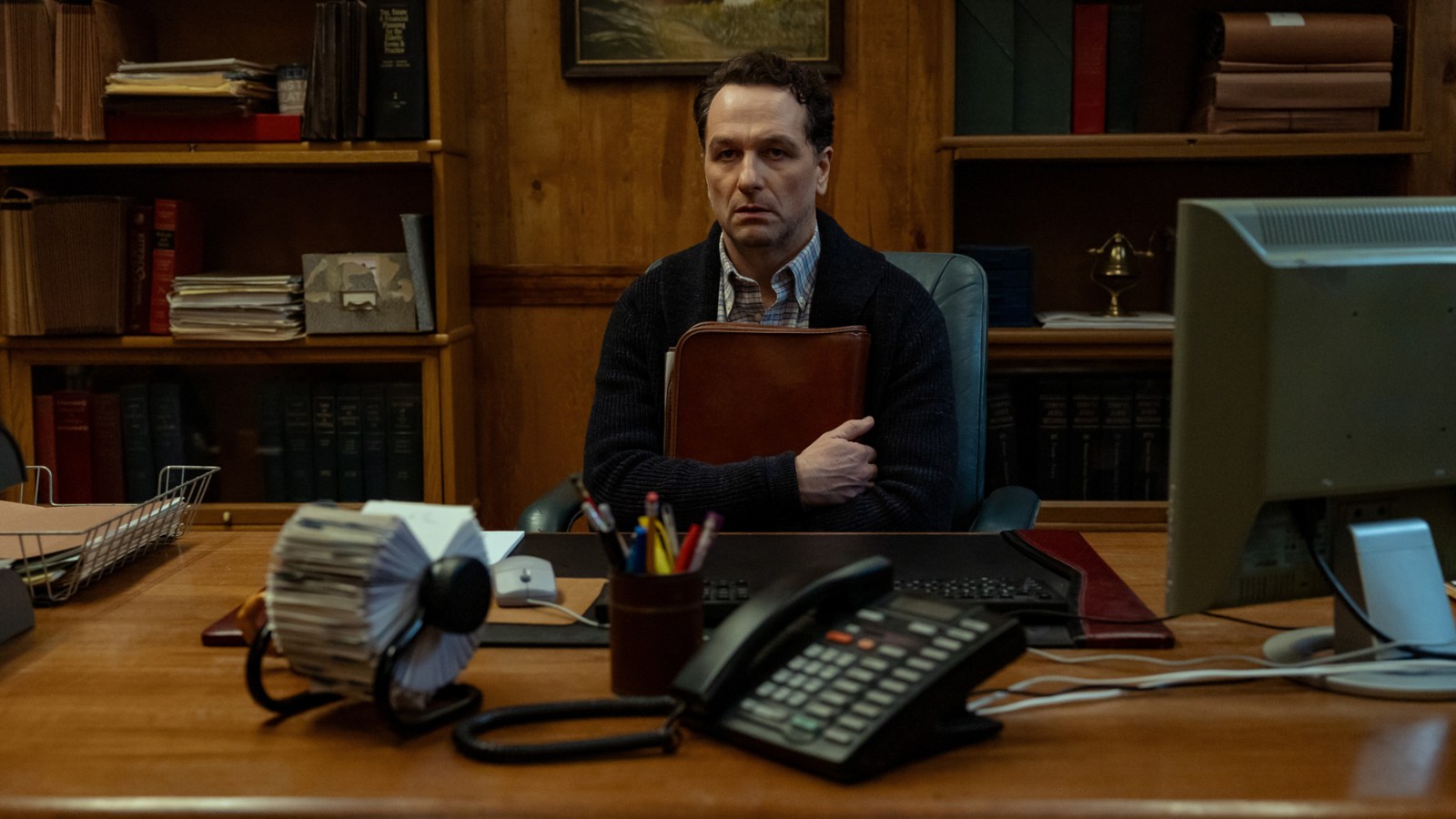
Apple TV+’s new series, ‘Widow’s Bay,’ meticulously crafts a compelling narrative centered on the inherent friction between modern economic aspirations and a community’s deeply interwoven supernatural identity. Mayor Tom Loftis (Matthew Rhys) champions an ambitious vision: transforming his picturesque New England island into a lucrative tourist destination, aspiring to the renown of Martha’s Vineyard or Bar Harbor. This strategic rebranding, however, immediately encounters Widow’s Bay’s pervasive history of dark legends and demonstrably active paranormal phenomena, establishing a fundamental tension between aspirational development and an inescapable, perilous reality.
Operational Impediments & Digital Isolation on a Cursed Island
Loftis’s ambitious revitalization plan is profoundly challenged by both tangible and otherworldly impediments. Beyond mere local folklore, Widow’s Bay actively contends with real operational threats, including actual sea hags, suffocating poisoned fog, and malevolent clown killers. These aren’t merely reputational risks; they constitute direct threats to visitor safety, compromise established guest experience protocols, and fundamentally undermine the appeal of conventional leisure. Anomalies such as a hotel room where time warps or the inability to hear screams of terror render standard safety frameworks inadequate, making traditional tourism unfeasible without radical adaptation. Further exacerbating these challenges are critical infrastructure deficiencies: the absence of reliable Wi-Fi and consistent phone reception. In an era where ubiquitous digital connectivity is a baseline expectation, these gaps create a significant competitive disadvantage, hindering the island’s ability to engage with digital-native tourists, facilitate online bookings, or compete with established, digitally integrated travel hubs. Addressing these issues demands substantial capital investment, diverting resources while simultaneously confronting the island’s more ‘unseen’ problems.
The Weight of History: Cultural Resistance & Psychological Burden
Widow’s Bay’s historical fabric, punctuated by a documented 19th-century cannibalism incident and an active, centuries-old curse, profoundly shapes local perceptions and external branding. This grim legacy presents a formidable barrier to any rebranding effort, as deeply embedded historical narratives resist simplistic commercial manipulation. The pervasive skepticism emanating from both constituents and city hall staff regarding Mayor Loftis’s plans reflects a deeply ingrained institutional and cultural resistance to change. This internal friction, often rooted in generational ties to the island’s unique—and terrifying—identity, actively impedes policy implementation and resource allocation. Such an environment fosters a collective psychology of fatalism or caution, profoundly impacting community engagement with development proposals and underscoring the severe psychological burden of living under a persistent, active curse.
Conflicting Stakeholder Dynamics & The Dark Tourism Paradox
The series masterfully portrays the clash between Mayor Loftis’s economic development agenda, driven by potential revenue and regional prominence (even validated by a New York Times travel writer’s positive assessment), and the deeply rooted local knowledge represented by figures like Wyck, the alcoholic fisherman. Wyck serves as a modern Cassandra, his ignored warnings about the island’s curse highlighting a critical disconnect between progressive economic initiatives and vital, traditional local insights. This dynamic underscores the high cost of dismissing indigenous wisdom in a context defined by the unknown. Paradoxically, while the island’s horrors present immense obstacles, they also offer a unique opportunity for niche “dark tourism.” The strategic choice—to suppress or selectively market these macabre elements—becomes crucial for competitive positioning. Embracing a “dark tourism” appeal, similar to sites known for historical tragedies or paranormal associations, could attract a specific demographic, but it requires substantial ethical consideration and a nuanced approach to narrative control, risking the very reinforcement of the terrifying reputation Loftis seeks to mitigate.
Governing the Unseen: Administrative Challenges & Narrative Commentary
The operational reality of a town where standard municipal functions are undermined by paranormal activity introduces unprecedented challenges for local governance. How does one administer public safety when screams cannot be heard or when time itself is unstable? This context necessitates a radical paradigm shift in administrative policy, demanding innovative frameworks for risk management, urban planning, and public services that explicitly integrate supernatural elements. Mayor Loftis’s initial skepticism, while understandable, reveals an institutional vulnerability in adapting to truly extraordinary circumstances. The series, through its “Stephen King mixtape” approach, uses its genre framework to offer a deeper commentary on the anxieties surrounding modernization, economic pressures, and the potential erosion of local distinctiveness. It critically examines the costs and benefits of ambitious development in unique, historically rich communities, suggesting that some challenges transcend conventional solutions.
Genre Alchemy for Optimal Streaming Engagement
From a media industry perspective, ‘Widow’s Bay’ strategically employs genre alchemy, expertly blending horror and dark comedy. This creative decision, championed by writer-creator Katie Dippold and director Hiro Murai for its tone-setting initial episodes, is a calculated move within the fiercely competitive streaming landscape. By fusing established horror tropes with comedic sensibilities, Apple TV+ broadens the series’ appeal, aiming to attract and retain diverse audiences beyond traditional genre confines. The show’s demonstrated ability to be “an absolute blast” while adeptly navigating classic horror archetypes exemplifies a sophisticated approach to narrative construction, designed to maximize audience engagement and contribute to the platform’s unique content portfolio.
Conclusion: A Microcosm of Modernization’s Enduring Dilemma
‘Widow’s Bay’ ultimately presents a compelling, multi-faceted study in the confluence of human ambition, economic exigency, and inexorable supernatural forces. Mayor Loftis’s relentless pursuit of prosperity for his community is ceaselessly tested by the island’s active curses and deeply embedded legends. The series offers a nuanced, genre-defying exploration of how a community’s unique past, its profound operational challenges, and the conflicting visions of its stakeholders collectively and inevitably shape its future. It resonates with broader, timeless themes of development, identity preservation, and the inherent limits of human control in a world where the extraordinary refuses to be ignored, serving as a potent commentary on the complex calculus of modernization.