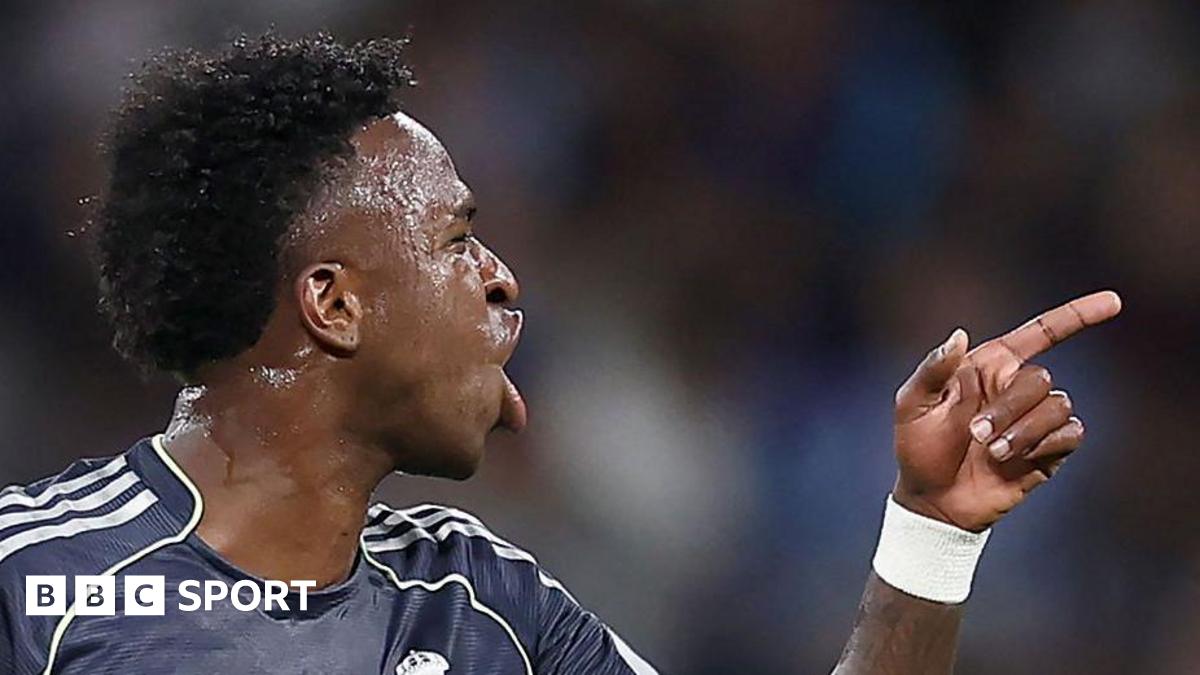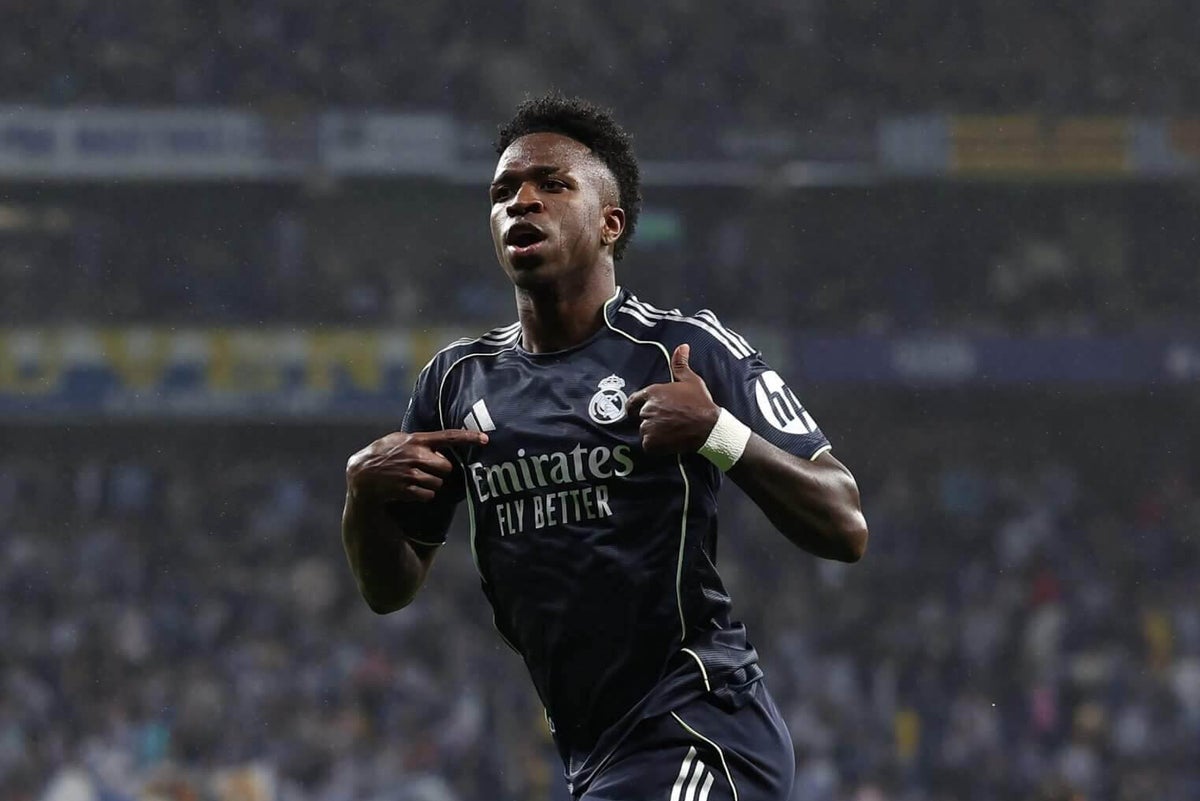
Real Madrid’s 2-0 victory over Espanyol on May 3, 2026, functioned as a mandatory contingency against mathematical elimination. By securing three points through a second-half brace from Vinícius Júnior, the Madrid side postponed the La Liga title conclusion, ensuring the trophy remains unassigned heading into a high-stakes El Clásico. This result fundamentally shifts the narrative pressure to Camp Nou, where the stakes have transitioned from a prestige rivalry to a potential championship coronation.
Tactical Reliance on Individual Clinical Efficiency
Madrid’s operational success in this fixture relied on the individual brilliance of Vinícius Júnior, who dismantled the Espanyol low block twice within an eleven-minute window. In the absence of sustained offensive fluidity, these isolated bursts of high-performance output are critical for maintaining competitive posture. This performance underscores a growing reliance on individual solutions to bridge the gap created by recent tactical inconsistencies and personnel shortages.
From a strategic standpoint, the timing of the goals suggested a calculated escalation of pressure. However, the reliance on a single offensive pivot highlights structural vulnerabilities that have plagued the squad throughout the latter half of the campaign. Without a diversified scoring threat, the tactical burden on the Brazilian winger remains disproportionately high.
Personnel Attrition and Defensive Logistics
The victory was tempered by significant operational setbacks, most notably the 14th-minute injury to Ferland Mendy. This forced substitution disrupted the defensive architecture, requiring manager Alvaro Arbeloa to recalibrate the tactical setup mid-match. Such attrition adds strain to a unit that must now face Barcelona’s high-intensity transition play without its primary left-back.
Furthermore, the ongoing absence of Kylian Mbappé due to a hamstring injury complicates strategic planning. Arbeloa’s post-match caution regarding Mbappé’s recovery timeline suggests the medical outlook may exceed initial projections. The lack of a definitive return date for the marquee forward removes a vital tactical variable for the Camp Nou visit, where a victory is the only outcome that maintains mathematical viability.
Mathematical Realities of the La Liga Standings
Despite the result, Madrid remains 11 points behind Hansi Flick’s Barcelona with only four rounds remaining. The Espanyol win was a requirement for survival rather than a shift in momentum. Barcelona’s position remains historically secure; they require only a single point from their remaining twelve available to claim the title. The upcoming El Clásico marks a unique institutional milestone, as it presents the first opportunity in years for the title to be decided during a direct confrontation between the two giants.
Analyzing the Mid-Season Performance Collapse
The current points disparity stems from a systemic decline initiated in February. Losses to Osasuna, Getafe, and Mallorca, combined with draws against lower-tier opposition, represent a significant loss of competitive capital. These results indicate a failure to secure points against mid-table blocks, a trend that historically undermines championship campaigns. This inconsistency suggests that while Madrid can produce high-value results in isolated fixtures, they have lacked the operational stability required to match Flick’s consistent pace.
Institutional Stakes and Media Narrative
For Barcelona, winning the title at home against their rival would serve as a definitive validation of the Flick era. Conversely, for Madrid, the match is an exercise in reputational management. A victory at Camp Nou would prevent a historic coronation on rival territory and serve as a critical data point for the club’s future sporting direction. The delay of the celebration also maximizes La Liga’s commercial value, ensuring the season’s peak viewership coincides with its most prestigious fixture.
Ultimately, the 2-0 result at the RCDE Stadium was a necessary but insufficient step in pursuing a late-season miracle. As focus shifts to El Clásico, the institutional pressure is distributed unevenly: Barcelona holds the advantage of the points gap, while Madrid carries the burden of needing a perfect performance under suboptimal personnel conditions.