The Psychological Impact of Genre Fiction on Relationship Dynamics
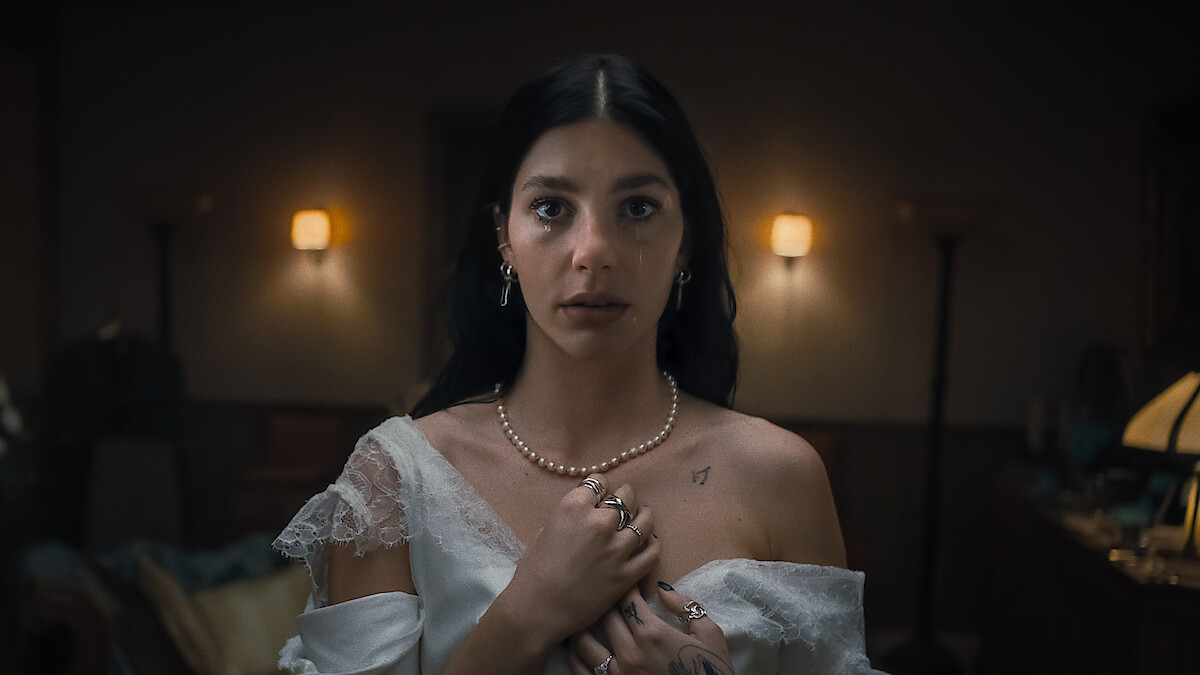
Haley Z. Boston’s eight-episode horror series, Something Very Bad Is Going to Happen, transcended conventional entertainment by reportedly catalyzing tangible, real-world relationship shifts. The creator noted that multiple viewers reported ending engagements after watching the finale, which challenges the fundamental premise of marrying a non-soulmate in a chilling, supernatural context.
This outcome establishes a significant benchmark for content exploring existential romantic fears, leveraging the horror framework not merely for shock value, but as a catalyst for re-evaluating foundational life commitments. The show’s success in generating real-world consequences elevates its status from mere entertainment to a significant cultural artifact influencing contemporary discourse on partnership viability.
The core narrative mechanism—a generational curse linked to a ‘bloody wedding’—provides a powerful psychological shortcut. By externalizing internal relationship anxieties into an external, immutable force, the series allows viewers to frame relationship instability not as personal failure, but as inevitable fate. This narrative device offers a potent form of informal social arbitration, leveraging tension to force confrontations with underlying doubts.
Production Strategy and Market Validation
The production’s genesis, rooted in Boston’s personal prenuptial anxieties, positions it within a trend where psychological vulnerability translates into commercially viable, high-stakes narrative structures. The involvement of the Duffer Brothers as executive producers, marking their first project post-Stranger Things, provided crucial institutional credibility and distribution leverage. This strategic alignment mitigated the risk associated with introducing a high-concept premise that might otherwise alienate broader viewership segments.
Casting choices further anchored the high-concept narrative: Camila Morrone and Adam DiMarco, known for roles in established ensemble pieces like The White Lotus, provided immediate familiarity. This strategic decision mitigated the barrier to entry by grounding the complex supernatural plot in recognizable performance dynamics. The resulting real-world impact validates a content acquisition strategy that prioritizes provocative thematic depth over traditional mass-market accessibility, positioning the platform as a venue for challenging cultural discourse.
Competitive Differentiation and Future Legacy
In a saturated streaming market where differentiation is paramount, achieving narrative impact that directly translates into measurable behavioral change offers a substantial competitive advantage. This level of engagement, where viewing decisions affect personal legal and financial arrangements, demonstrates a superior form of content stickiness compared to metrics based solely on completion rates or social media buzz.
The series sets a new benchmark for thematic complexity within serialized horror by fusing generational trauma, genetic predisposition, and romantic commitment. This success may recalibrate expectations within the nuptial subgenre, demanding that future productions offer comparable depth to capture market attention. The subsequent post-viewing analysis provided by media outlets acts as a crucial feedback loop, solidifying the narrative’s impact by providing accessible interpretations of its complex layers, thereby maximizing its long-term cultural resonance.