Strategic Ambiguity and Kinetic Escalation
The Middle East security architecture is currently navigating a period of acute instability, characterized by a dual-track strategy of military posturing and tentative diplomatic overtures. The deployment of the USS Tripoli, carrying 3,500 service members, represents a significant augmentation of U.S. force projection, designed to establish escalation dominance and reassure regional partners. However, this move coincides with Iranian Parliament Speaker Mohammad Bagher Ghalibaf’s warnings of asymmetric resistance, signaling a potential shift from shadow warfare to direct kinetic confrontation should U.S. ground forces engage.
The 15-Point Peace Proposal and Political Duality
President Donald Trump has indicated that Iran has largely acquiesced to a 15-point U.S. demand list aimed at conflict de-escalation. While this suggests a potential diplomatic breakthrough, the narrative is complicated by the President’s simultaneous claims of ‘regime change’ within Iran—a statement that challenges traditional diplomatic recognition and complicates the legitimacy of ongoing negotiations. This rhetoric, coupled with the threat to seize Kharg Island—a vital petroleum hub—introduces a high-stakes economic dimension to the standoff, targeting Iran’s primary revenue stream and operational resilience.
Infrastructure Vulnerability and Multi-Domain Hostilities
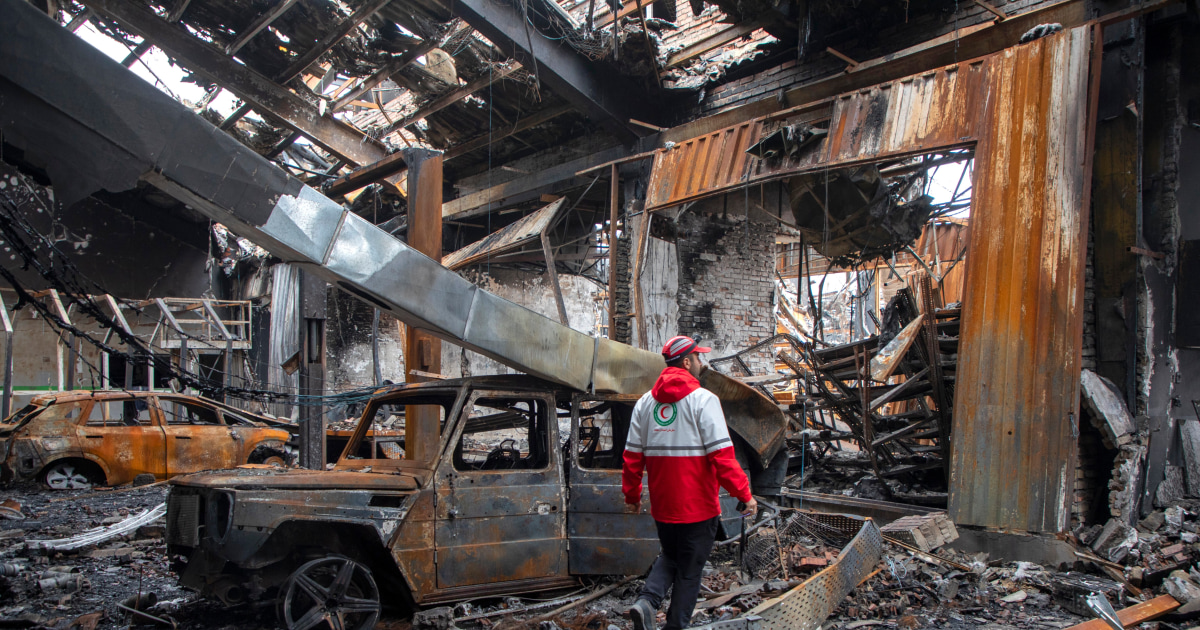
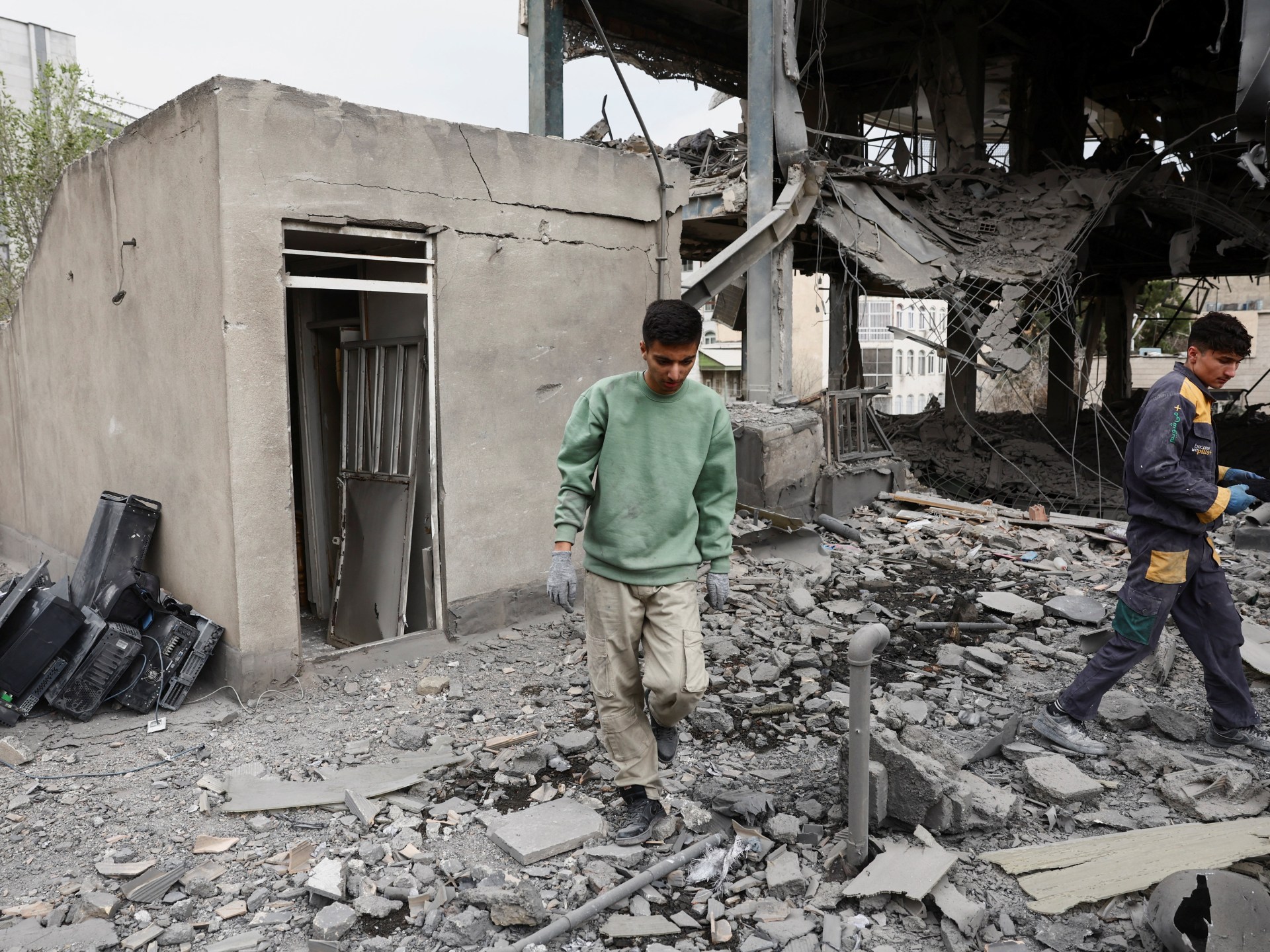
Domestic stability in Iran is facing mounting pressure as the Ministry of Energy reports widespread power outages across Tehran, attributed to targeted attacks on electrical infrastructure. These disruptions, occurring alongside intensifying Israeli strikes in central and western sectors, reveal a multi-front challenge for Tehran. The convergence of internal infrastructure degradation and external military pressure tests the Iranian state’s capacity for national resilience, potentially influencing its leverage within the Pakistani-mediated diplomatic channel.
Market Volatility and Third-Party Mediation
Global energy markets have reacted sharply to the heightened risk of supply chain disruption; Brent crude oil rose 2.47% to $107.92 per barrel following Tehran’s rhetoric regarding U.S. ground operations. Amidst this economic volatility, Pakistan has emerged as a critical intermediary, offering to host bilateral talks. However, Secretary of State Marco Rubio noted a lack of formal response from Tehran to the peace proposal, suggesting a strategic impasse. The outcome of these diplomatic efforts will likely hinge on whether the 15-point framework can reconcile U.S. security demands with Iran’s requirement for sovereign guarantees.