The 600th Execution: A Metric of Texas’ Judicial Finality
The execution of Edward Busby Jr. on Thursday evening signifies a major institutional threshold for the Texas Department of Criminal Justice. As the 600th application of capital punishment since the state resumed the practice in 1982, this event illustrates the operational consistency of Texas’ carceral apparatus and its commitment to the finality of judicial sentences despite complex federal appellate challenges.
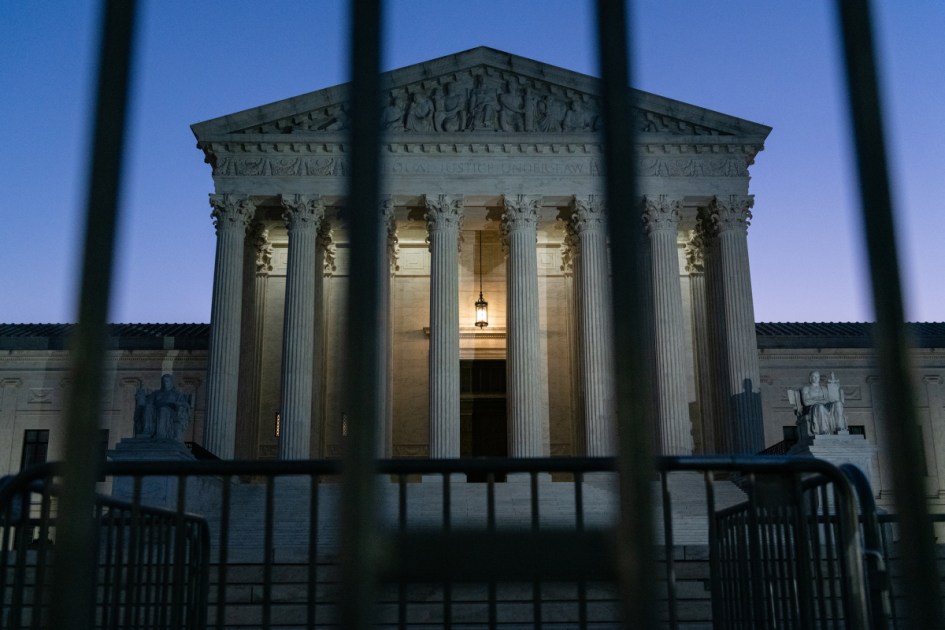
Busby was pronounced dead at 8:11 p.m. at the Huntsville unit. His execution followed a high-stakes legal sequence wherein a divided U.S. Supreme Court vacated a stay issued by the 5th U.S. Circuit Court of Appeals. This procedural resolution underscores the narrowing window for eleventh-hour interventions in capital cases.
Constitutional Friction: Intellectual Disability and Atkins Claims
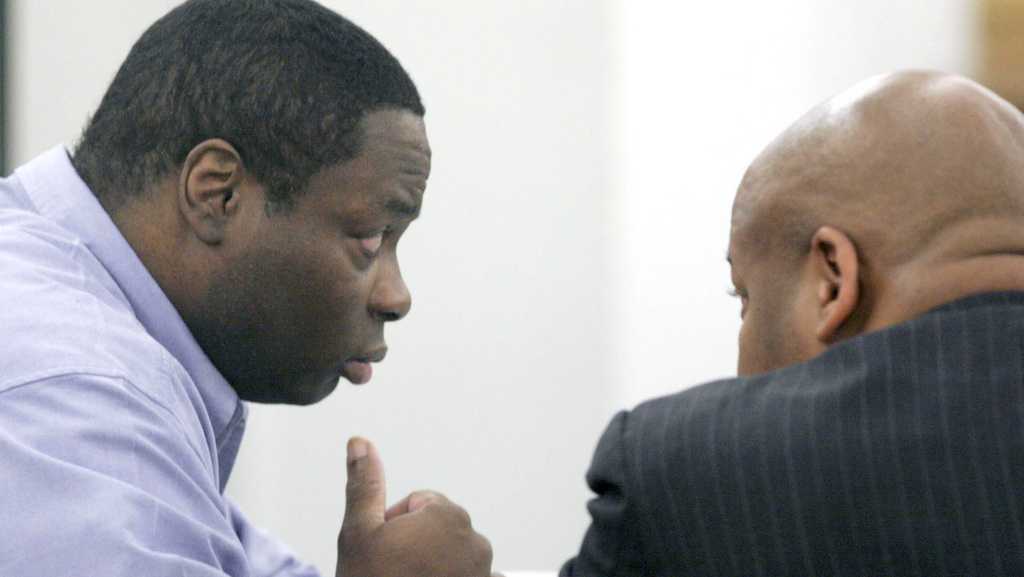
The core legal debate in the Busby proceedings centered on intellectual disability—a constitutional bar to execution established by federal precedent. Defense counsel argued that Busby’s cognitive profile rendered him ineligible for the death penalty, a claim that initially convinced the 5th Circuit to pause the execution for evidentiary review.
However, the Supreme Court’s intervention to lift the stay signals a prioritized weighting of state interests in finality over late-stage clinical evaluations. Justice Ketanji Brown Jackson, joined by Justice Sonia Sotomayor, authored a sharp dissent highlighting that even the state’s own expert had previously acknowledged Busby’s disability. This dissent suggests a systemic tension where administrative momentum may effectively supersede unresolved constitutional eligibility questions.
The Shadow Docket and Procedural Precedent
The use of an unsigned order to clear Busby’s execution highlights the Court’s reliance on the ‘shadow docket’—a mechanism for rapid resolution that often lacks detailed legal reasoning. For legal stakeholders, the Busby case confirms an increasingly high burden of proof for petitioners seeking to halt executions based on Atkins claims once a warrant is active.
By overriding a lower court’s stay under these conditions, the Supreme Court has indicated that evidentiary vetting must occur much earlier in the habeas corpus process. This shift forces capital defense units to front-load disability documentation to avoid summary reversals during the final hours of a death warrant.
Historical Context: The 2004 Conviction of Laura Lee Crane
The underlying case dates back to the 2004 abduction and murder of 77-year-old Laura Lee Crane, a retired professor. Prosecutors established that Busby suffocated Crane after kidnapping her from a grocery store parking lot. The 2005 death sentence reflected the gravity of the crime, though the case faced nearly two decades of litigation, including delays caused by the 2020 pandemic.
The long duration between the crime and the 600th execution reflects the extensive resources required to sustain capital litigation. While the state views this milestone as a fulfillment of justice for the Crane family, the controversy surrounding Busby’s cognitive status invites continued scrutiny of the protocols used to screen for intellectual impairments in death-eligible defendants.
Systemic Impact on the Texas Judiciary
Texas remains the most active death penalty jurisdiction in the U.S., a status supported by a robust administrative and legal infrastructure. The execution of Busby reinforces the state’s proficiency in managing lethal injection protocols and procurement, even as other jurisdictions face logistical hurdles. However, the internal judicial divide seen in this case suggests that the cost of such efficiency may be an increased risk of eroding Eighth Amendment protections for vulnerable populations.