
Structural Analysis of Early Competition in International Figure Skating
International figure skating competition, particularly within the framework of a multi-segment Olympic team event, relies heavily on achieving high placements during the initial phases. These early performances, encompassing segments like the Rhythm Dance and the Women’s Short Program, are crucial for accumulating the necessary points that determine a nation’s competitive standing and progression potential.
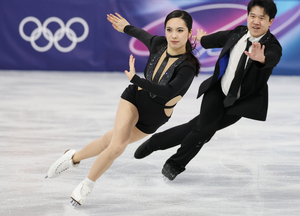
Reports from the Winter Olympics indicate specific outcomes in these foundational segments. In the ice dance discipline, the duo of Hannah Lim and Quan Ye secured a placement of seventh out of 10 participating teams during the rhythm dance portion. Their recorded technical and component score aggregation resulted in a total of 70.55 points.
Separately, in the women’s short program segment of the team event, skater Shin Ji-a achieved a fourth-place finish. This segment was held in Milan on February 6, demonstrating the staggered geographical or temporal schedule sometimes required for comprehensive international events.
The Mechanism of the Figure Skating Team Event
The figure skating team event structure is designed to test the comprehensive strength of a National Skating Federation (NSF) across all major disciplines: Men’s Singles, Women’s Singles, Pairs, and Ice Dance. Unlike individual events where only one athlete or partnership competes for a medal, the team event requires consistent high performance across multiple segments, where results are translated into hierarchical points awarded to the national team.
The strategic accumulation of points in early segments, such as the Rhythm Dance and the Short Program, determines which national teams advance to the subsequent free skate segments. Teams ranked lower than the established threshold after these preliminary rounds are eliminated, underscoring the high-stakes nature of even a seventh-place finish in a smaller 10-team field.
A score of 70.55 in the Rhythm Dance, as achieved by Lim and Quan, must be analyzed within the context of required elements and base value compliance dictated by the International Skating Union (ISU). The Rhythm Dance format imposes strict adherence to mandated rhythms and technical patterns, focusing less on maximal difficulty and more on execution, flow, and interpretation of the designated theme.
Similarly, the Women’s Short Program demands precision in executing required technical elements, including specific jump combinations, solo jumps, and spins. Shin Ji-a’s fourth-place standing confirms a strong performance, as these initial points contribute significantly to the overall team total, potentially offsetting lower scores in other disciplines or securing a critical margin for advancement.
Institutional Strategy and Competitive Positioning
The results obtained in these preliminary rounds provide the National Skating Federations with critical data regarding their depth and strategic investments. A fourth-place finish in a primary singles segment, such as the short program, suggests strong talent development at the elite level, demonstrating competitiveness among the top echelon of global skaters.
Conversely, a seventh-place standing in the ice dance segment suggests competitive parity within the middle tier of the international field, demanding continuous refinement in technical execution and artistic component development to climb higher in future cycles. National programs often review these specific placements to reallocate resources toward disciplines showing relative weakness or to maximize success where competitive advantages already exist.
The ISU’s judging system, the International Judging System (IJS), mandates that total scores are derived from two primary areas: the Technical Element Score (TES) and the Program Component Score (PCS). In the Rhythm Dance, elements like key points, pattern steps, and lifts contribute to the TES, while interpretation of the music and performance quality are weighted heavily in the PCS assessment.
The mention that skater Shin Ji-a conceptualized and “pens a story” for an Olympic routine highlights the structural importance of the artistic narrative within the PCS framework. Under the IJS, judges explicitly evaluate choreography, composition, and interpretation, recognizing the intrinsic value of a cohesive and unique artistic presentation. Crafting a compelling story is therefore not merely an aesthetic choice but a necessary strategic element for maximizing component scores in high-stakes competition.
The Context of Olympic Qualification and Performance Management
Participation in the Olympic Team Event itself is indicative of institutional success, as nations must meet stringent qualification quotas based on prior World Championship results or designated qualifier competitions. The performance of athletes like Lim and Quan, or Shin Ji-a, reflects the successful outcome of years of structured training, coaching investment, and international competitive exposure managed by the national system.
Even segments of the team event held outside the main Olympic venue, such as the reported short program in Milan, adhere to the same rigorous ISU standards and judging panels, ensuring procedural integrity across all preliminary stages. This logistical complexity reflects the vast administrative undertaking required by the organizing committees and the federations to execute a global, high-profile championship.
From an institutional perspective, consistent high placement in early segments signals a robust pipeline of high-level athletes ready for senior international competition. For an ice dance duo to score 70.55 points in a tight field, or for a singles skater to rank fourth, validates the strategic pathway chosen by the respective national governing body, ensuring continued governmental or sponsorship investment in the sport’s development over the long term. These early rankings, while not guaranteeing a medal, establish crucial momentum and demonstrate the nation’s capacity for competitive excellence on the global stage.