The Dual Focus of High-Stakes Olympic Figure Skating
The landscape of international figure skating is defined by intense competition across two major, yet distinct, institutional structures: the long-standing individual championships and the strategically critical team event. Recent developments indicate a strong position for Japan across both formats, highlighting both individual athlete potential and coordinated national program success.
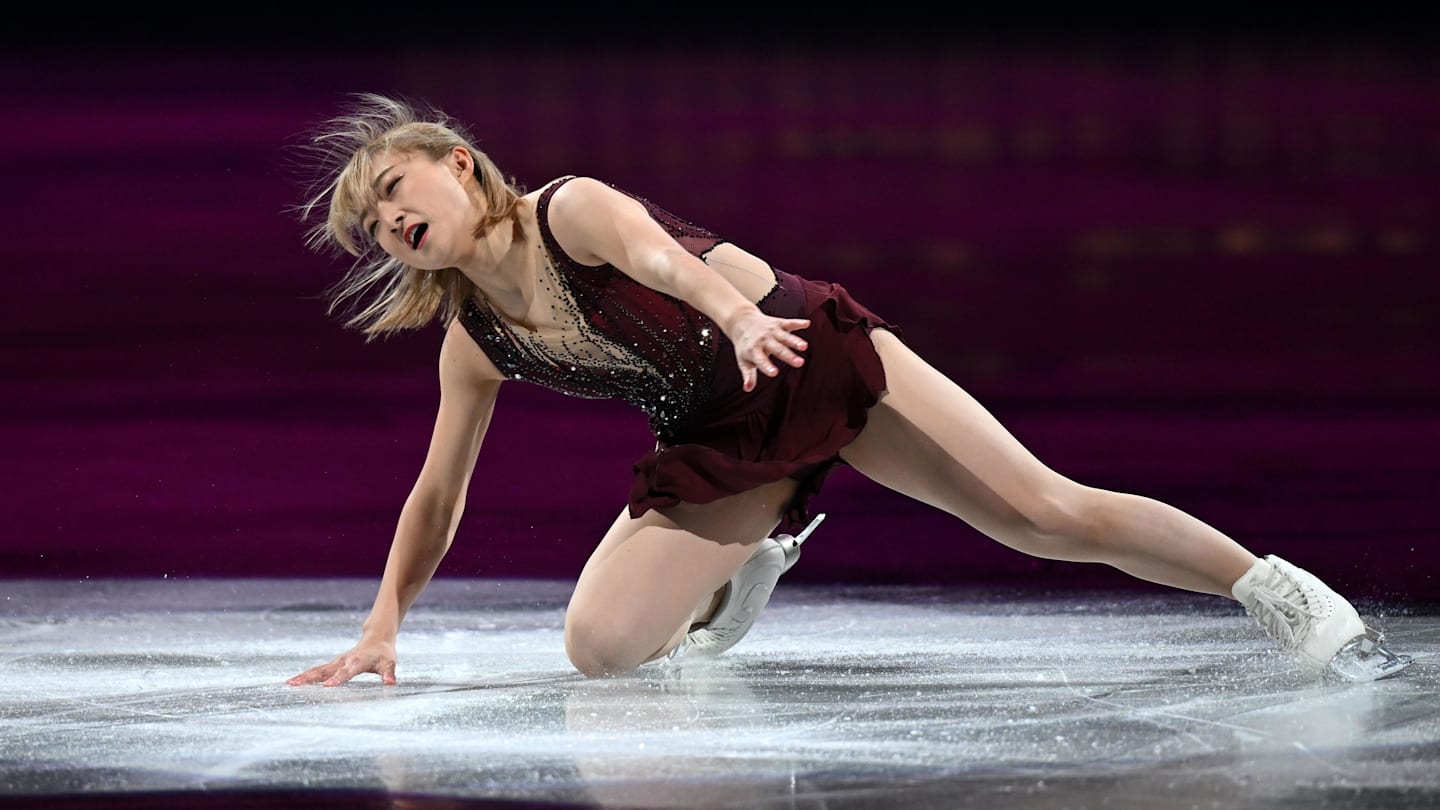
In the women’s singles discipline, a core element of the Winter Games, Kaori Sakamoto has been assessed as the favored competitor for the 2026 Olympic gold medal. This classification, derived from market odds and performance trajectory models, places her at the center of media attention and competitive expectation for one of the most visible and historically significant events in the Olympic calendar.
Operationalizing National Strategy in the Team Competition
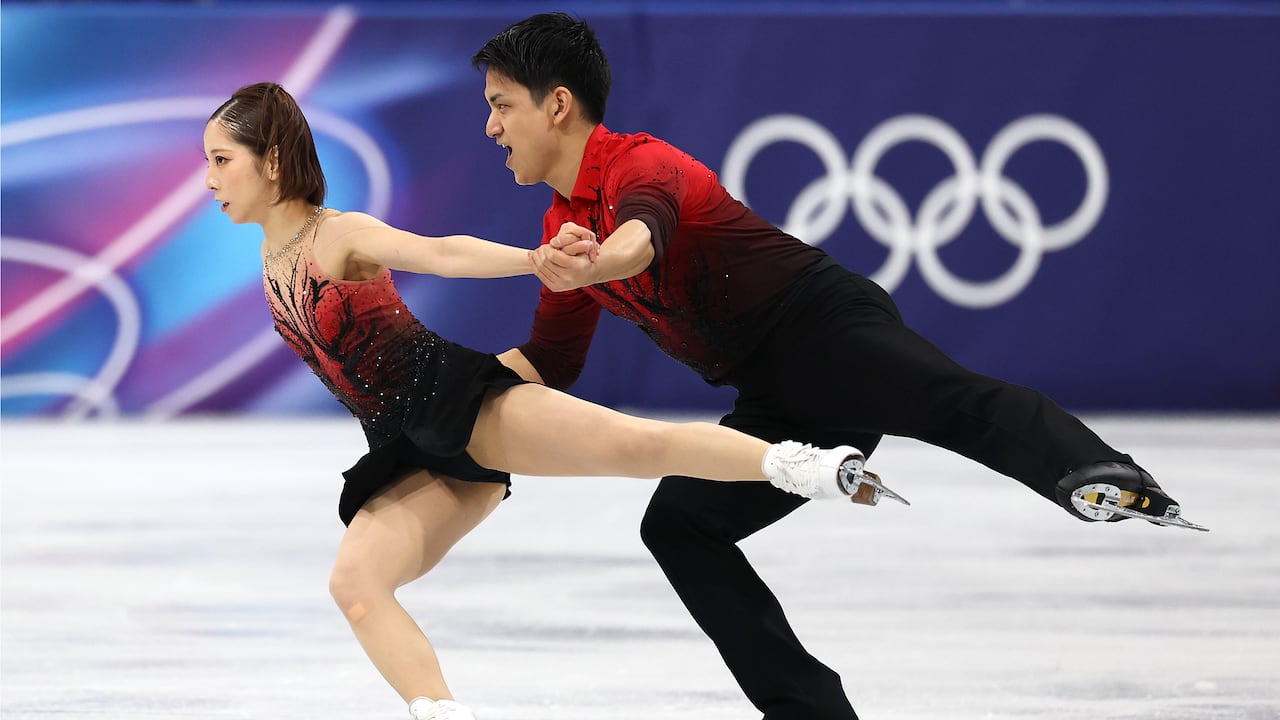
Separately, the figure skating team event presents a complex challenge that requires national programs to demonstrate depth across all four Olympic disciplines: Men’s Singles, Women’s Singles, Pairs, and Ice Dance. The success of the pairs team, Miura Riku and Kihara Ryuichi, in winning the team pairs short program, represents a significant strategic achievement that directly impacts Japan’s overall placement.
The team competition operates on an aggregate points system, where placement in each segment determines the points awarded to the nation. A victory in a critical segment, such as the pairs short program, generates the maximum possible point allocation, which is institutionally designed to elevate the nation’s standing on the leaderboard.
This pairs success was vital in launching Japan back into medal contention. The phrase ‘medal contention’ in this context refers to achieving a cumulative score sufficient to place the national team among the top three spots, thereby guaranteeing a podium finish. In the high-stakes environment of the team event, success in one segment can be used to compensate for potential lower placings in other, equally weighted components, demonstrating the strategic necessity of developing excellence across all facets of the sport.
Assessing Market Odds and Reputational Favorability
The designation of an athlete like Kaori Sakamoto as the ‘favorite’ for a major championship is not an official institutional ranking but rather a complex assessment generated by market analysts, statisticians, and sophisticated odds-makers. This process incorporates extensive data regarding recent results, technical difficulty, component scores, career trajectory, and projected athlete readiness, synthesizing these variables into a quantifiable probability of victory.
For the athlete and the national federation, being assigned the status of ‘favorite’ carries significant reputational weight and inherent pressure. It validates the high-performance training systems in place and signals institutional confidence in the athlete’s capacity to execute under intense global scrutiny. However, it also creates an external metric of expectation against which the final competitive outcome will be measured.
Olympic figure skating, particularly the women’s event, is notable for its stringent judging requirements, which evaluate both technical execution (jumps, spins, steps) and program components (performance, choreography, transitions). The consistency required to maintain favored status over a multi-year Olympic cycle necessitates robust physical training and stable psychological management, often managed through extensive institutional support mechanisms provided by the national governing body.
The Structural Significance of the Pairs Program Victory
The pairs discipline, historically demanding in terms of physical risk and coordination, often serves as a barometer for the overall institutional health and financial investment of a national skating program. The short program, which is strictly governed by mandated elements and time constraints, demands technical precision from the outset of the competition.
The victory achieved by Miura and Kihara confirms the institutional capacity of the Japanese figure skating federation to cultivate and sustain high performance in a specialized discipline where success is often harder to attain due to the inherent complexity of synchronized technical elements. This success is not merely athletic; it is an administrative and infrastructural triumph, validating resource allocation decisions aimed at diversifying competitive strengths.
Editorial Synthesis: Interplay of Individual and Team Success
The simultaneous assessment of individual excellence (Sakamoto’s favored status) and the demonstrated success in a core team segment (Miura/Kihara’s short program win) collectively signals a period of strategic strength for Japanese figure skating.
In the highly visible context of the Winter Olympics, these two facts underscore how high-performance sport requires both individual genius and system-wide institutional support. The individual favorite status drives media narratives and public engagement, while the team success demonstrates the crucial underlying depth and resilience necessary for national programs to vie consistently for aggregate medals.
The institutional design of the figure skating program mandates that competitors must navigate the pressures of both single-athlete accountability and contributions to a larger national strategic goal. This dynamic—balancing personal competitive ambition with national team objectives—is a defining feature of modern Olympic participation.
Ultimately, while market predictions concerning individual outcomes remain speculative until the event concludes, the established success in a crucial team segment represents a hard, quantifiable achievement within the structured point system of the competition. Both factors contribute to the strategic positioning of the national team as a dominant force heading toward the future international event cycle.