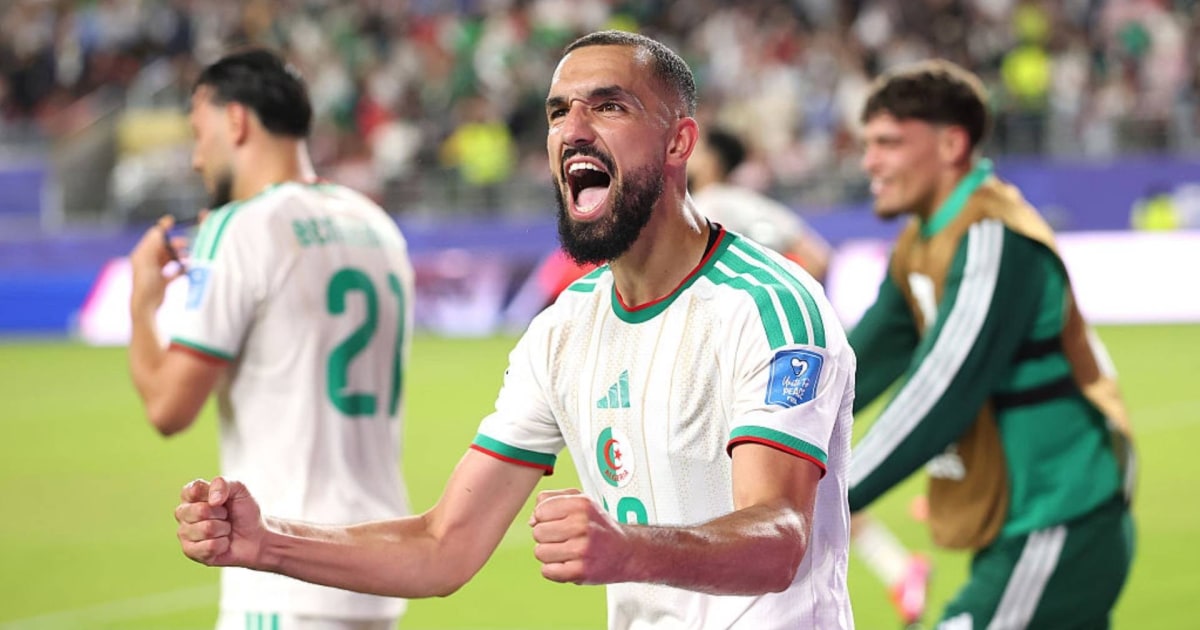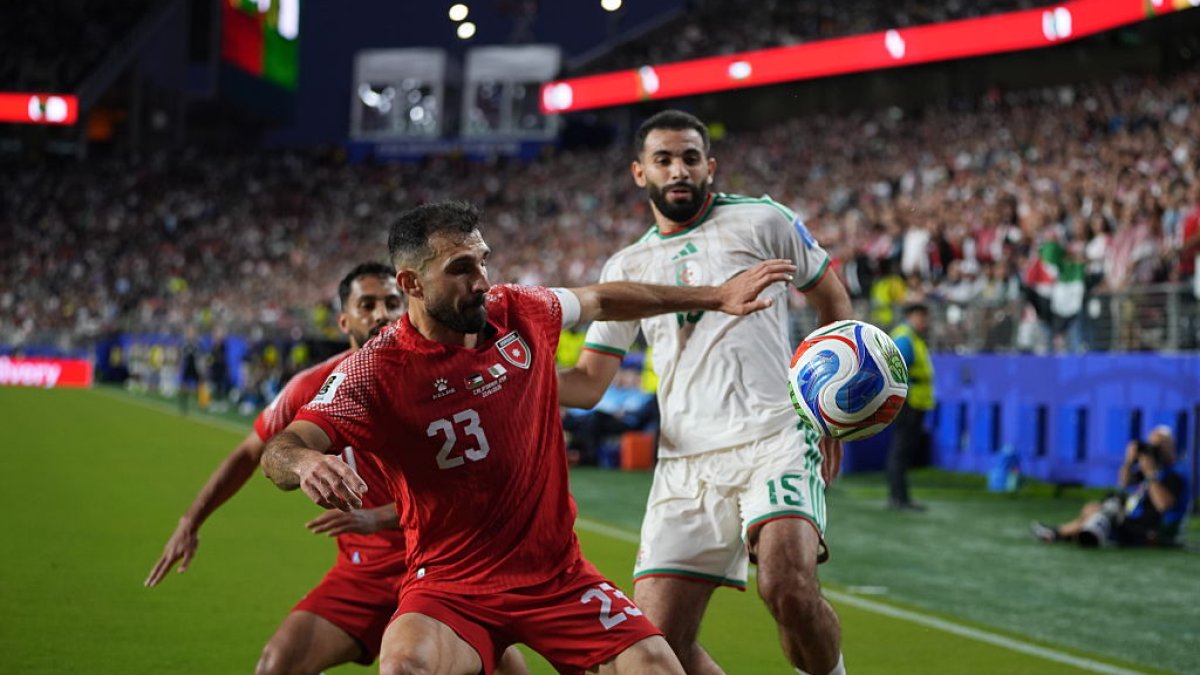
The competitive matrix of the 2026 FIFA World Cup intensified significantly following a high-stakes matchday across Groups I and J. At the San Francisco Bay Area Stadium, Algeria engineered a tactical 2-1 comeback victory over Jordan, marking a major technical milestone. This result represents the North African nation’s first World Cup victory since 2014, injecting crucial momentum into their qualification campaign. The match showcased Algeria’s structural adaptability, overcoming an early defensive deficit to secure all three points in the final minutes of play.
Tactical Dynamics and Algeria’s Second-Half Adjustments
Jordan seized an early tactical advantage when Nizar Al-Rashdan exploited an oversight in Algeria’s mid-block to score the opening goal. This disrupted Algeria’s conservative build-up play and forced them to adopt a high-pressing, direct attacking posture. For the remainder of the first half, Jordan maintained a compact, low-block defensive structure, neutralizing Algeria’s transitional threat and closing down vertical passing lanes in the final third. This defensive resilience forced the Algerian coaching staff to modify their structural approach during the halftime interval.
In the second half, Algeria transitioned to a more aggressive offensive system, dominating possession and dictating the tempo of the game. The equalizer materialized when Nadhir Benbouali converted a clinical cross, restoring parity and shifting psychological momentum. This tactical breakthrough forced Jordan to abandon their deep block, leading to an open, transition-heavy game. The increased space in the half-spaces allowed Algeria to execute rapid counter-attacks, sustaining heavy pressure on the Jordan backline.
The decisive breakthrough occurred in the final minutes when forward Amine Gouiri scored a dramatic late winner. This crucial finish secured three vital points for Algeria, significantly improving their standing in Group J. While this victory ends a decade-long tournament drought for Algeria, it exposes late-game defensive vulnerabilities for Jordan, who failed to preserve a winning position due to compromised structural discipline late in the match.
Group J Standings and Messi’s Historic Milestones
The competitive hierarchy of Group J was further established by Argentina’s clinical 2-0 victory over Austria at the Dallas Stadium in Texas. The encounter was defined by a historic brace from Lionel Messi, whose clinical finishes cemented his status as the all-time leading goalscorer in World Cup history with 18 goals. Argentina’s victory positions them firmly at the top of Group J, showcasing their tactical efficiency and defensive organization. Their disciplined performance leaves very little margin of error for the remaining group contenders, including Algeria and Jordan.
From a strategic standpoint, Argentina’s dominant form forces rival teams to target maximum points in their head-to-head fixtures. Algeria’s victory over Jordan becomes even more critical in this context, as the race for the second qualification spot remains highly competitive. With goal differences and head-to-head records likely acting as the ultimate tiebreakers for the round of 32, every goal scored and conceded in Group J carries immense structural weight.
Operational Resilience and Weather Disruptions in Group I
In Group I, France’s fixture against Iraq in Philadelphia highlighted the complex logistics of hosting a multi-city tournament. The match was suspended for two hours due to a severe electrical storm and torrential rain. This disruption put a premium on the mental focus and physical preparation of both squads during the extended delay. The successful resumption of play demonstrated the advanced drainage infrastructure of the stadium and the efficiency of the local organizing committee’s emergency protocols.
Following the restart, France asserted their technical superiority, securing a comprehensive 3-0 victory. Kylian Mbappé led the attack with a clinical brace, maintaining France’s strong position in the Group I standings. The squad’s ability to maintain physical and mental readiness despite the two-hour delay underscored their elite professionalism. Conversely, the defeat exposed Iraq’s difficulties in maintaining defensive shape against world-class opposition under highly challenging environmental conditions.
Norway Secures Round of 32 Berth with Haaland Double
Group I’s competitive landscape was further defined by Norway’s hard-fought 3-2 victory over Senegal at the New York/New Jersey Stadium. This highly entertaining, transition-heavy match was decided by Erling Haaland, whose brilliant double secured Norway’s passage to the round of 32. Despite Senegal’s relentless high press and offensive threat—led by Ismaila Sarr, who also scored a double—Norway’s clinical efficiency in transition proved to be the deciding factor.
Norway’s qualification marks a significant milestone for their current generation, validating their transition-based tactical framework. The post-match celebrations featured the traditional “Viking Row” with their traveling supporters, highlighting the strong cultural connection between the squad and its fanbase. Senegal must now address critical defensive vulnerabilities ahead of their final group matches to keep their qualification hopes alive.
Media Rights, Broadcast Architecture, and Commercial Value
The media landscape of the 2026 FIFA World Cup reflects the evolving paradigm of global sports broadcasting. In the United States, comprehensive Spanish-language coverage is delivered via Telemundo and the Peacock streaming platform. This multi-platform strategy optimizes viewer acquisition across traditional linear television and digital streaming environments, catering directly to the high-value Hispanic demographic.
The commercial impact of historic milestones—such as Lionel Messi’s record-breaking goal tally—significantly enhances advertising inventory value and sponsorship engagement. These historic sporting narratives drive linear viewership and digital interactions, creating premium monetization opportunities. The alignment of marquee matchups, optimized kickoff times, and digital accessibility ensures the tournament retains unprecedented global market penetration.