The Nexus of Athleticism and Strategic Theory
The passing of Sherman Lewis at 81 concludes the narrative of a pivotal figure who bridged the gap between the physical dynamism of 1960s collegiate football and the cerebral, system-driven professional era of the late 20th century. Lewis represented a rare transition from an elite, high-leverage athlete to a deep-system strategist, serving as a primary architect for some of the most efficient offensive units in NFL history. His career was defined by institutional longevity and the successful application of the West Coast Offense across multiple franchises.
The Michigan State Foundation: Mechanical and Spatial Leverage
Lewis’s tenure at Michigan State University (1961–1963) provided the empirical foundation for his later coaching philosophy. As an All-American halfback and track champion, his understanding of explosive mechanics and spatial geometry was evident. Finishing third in the 1963 Heisman Trophy voting, Lewis validated Duffy Daugherty’s high-velocity offensive system. This multi-disciplinary background in track and football informed his later emphasis on precision timing and personnel spacing—the technical hallmarks of his professional coaching career.
Professional Evolution: Tactical Adaptability and System Internalization
His transition to professional play in 1964 across the CFL and AFL demonstrated a calculated accumulation of tactical experience. By playing for the Toronto Argonauts and the New York Jets, Lewis observed disparate operational environments, from the wide-field dynamics of Canadian football to the specialized return units of the AFL. These years served as a practical residency, preparing him for his 1969 return to East Lansing, where he spent 13 seasons refining his pedagogical approach to player development and offensive consistency.
The San Francisco Residency: Mastery of the West Coast Synthesis
In 1983, joining Bill Walsh’s San Francisco 49ers staff integrated Lewis into the most sophisticated offensive laboratory of the era. His nine-season tenure was an intensive immersion in the West Coast Offense’s principles of high-efficiency passing and rhythmic play-calling. Operating within this intellectual incubator, Lewis assisted in securing three Super Bowl championships, acquiring the professional capital and schematic depth required to command an NFL offense independently.
The Green Bay Renaissance: Engineering Offensive Dominance
The 1992 appointment of Lewis as Offensive Coordinator for the Green Bay Packers under Mike Holmgren stands as his definitive professional contribution. Tasked with rehabilitating a dormant legacy franchise, Lewis implemented a rigorous structural system that optimized the volatile talent of Brett Favre. This era produced eight years of sustained offensive dominance, culminating in the Super Bowl XXXI victory. His ability to maintain operational synergy between a high-volume passing attack and the physical requirements of the NFC Central established a blueprint for modern offensive continuity.
Institutional Legacy and the Evolution of the Coaching Tree
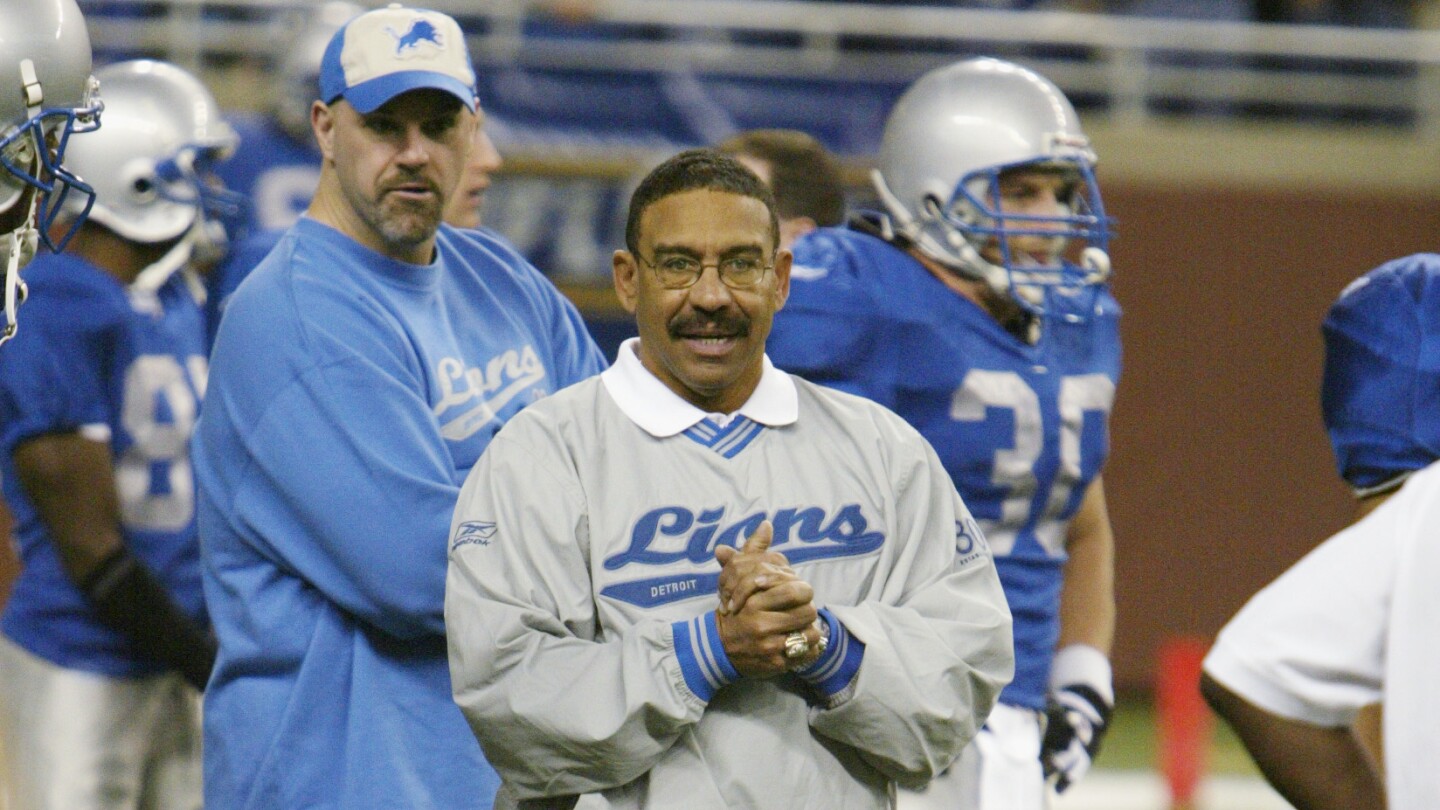
Lewis’s later stints with the Minnesota Vikings and Detroit Lions reinforced his status as a stabilizing veteran asset within the NFC North. While his four Super Bowl rings cement his elite status, his true legacy resides in the continuity of the coaching trees he helped cultivate. As a vital link between the Walsh and Holmgren lineages, Lewis’s influence persists in the modern NFL’s emphasis on precision-based, timing-sensitive offensive architectures. He remains an institutional giant at Michigan State and a foundational figure in the history of the Green Bay Packers.