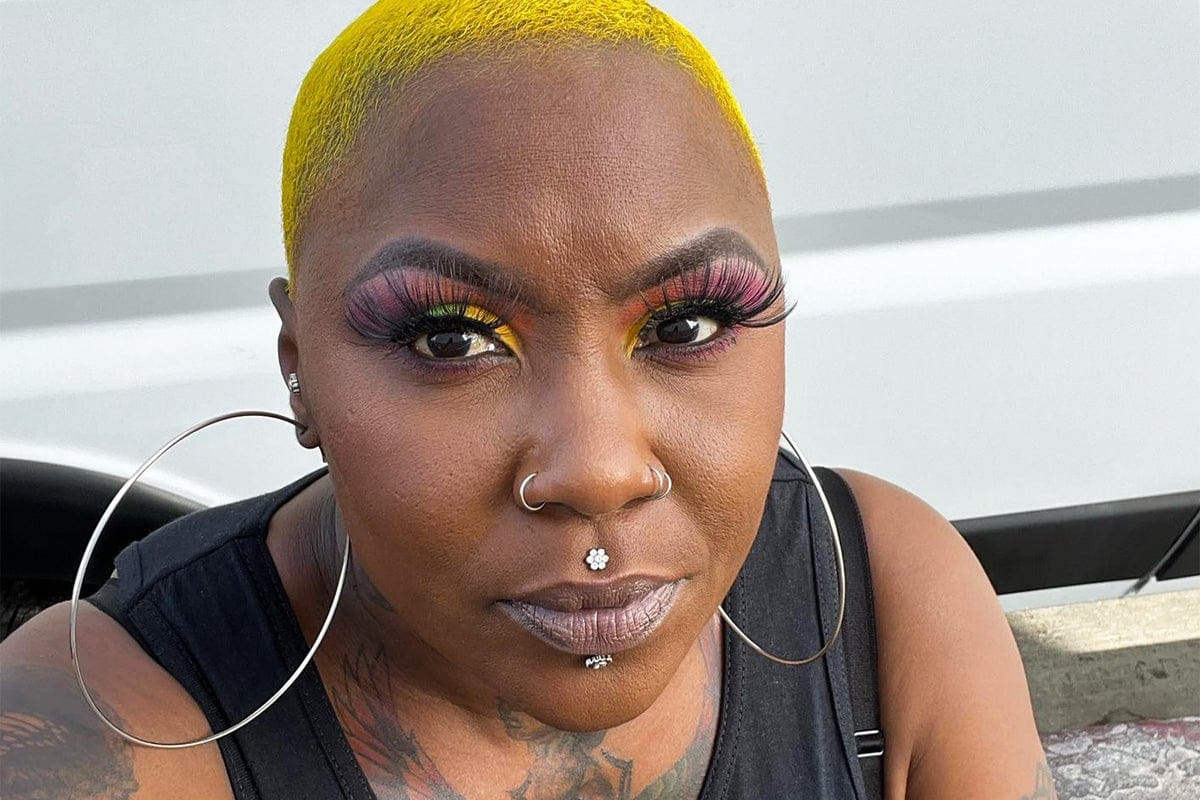
Shirley Raines, the prominent social media figure and founder of the nonprofit organization Beauty 2 the Streetz, has passed away at the age of 58. Known to her millions of followers on TikTok as “Miss Shirley,” Raines became a beacon of hope and a symbol of grassroots activism through her tireless work on the streets of Los Angeles’ Skid Row.
Raines’ death marks a significant loss for the unhoused community in Southern California and for the digital world where she shared the realities of poverty with compassion and raw honesty. Details surrounding the cause of death have begun to emerge as tributes pour in from fellow activists, celebrities, and those she served directly on the streets.
The Legacy of Beauty 2 the Streetz
Raines founded Beauty 2 the Streetz with a simple yet revolutionary premise: that beauty and dignity are not luxuries reserved for those with housing. For over six years, she and her team of volunteers became a fixture on Skid Row, providing hot meals, hygiene kits, and professional-grade hair and makeup services to the unhoused population.
The organization was not merely about aesthetic improvements; it was a movement designed to restore humanity to individuals often overlooked by society. Raines frequently stated that her goal was to treat the residents of Skid Row like family, offering them a level of care and personalized attention that government services often failed to provide.
Her approach garnered massive attention on TikTok, where she amassed a following that exceeded several million. Through her videos, Raines bridged the gap between the digital world and the harsh realities of the Los Angeles sidewalk, turning viewers into donors and advocates for systemic change.
A Life Defined by Resilience and Purpose
Before becoming a global icon for activism, Raines’ journey was shaped by profound personal tragedy. She often shared that her mission to help others was born from the grief of losing her eldest son. This loss served as the catalyst for her deep empathy for those experiencing trauma and displacement.
By transforming her personal pain into public service, Raines demonstrated how individual agency can influence massive social issues. She was known for her vibrant hair colors, her sharp wit, and her unapologetic defense of the unhoused, often challenging local politicians and law enforcement to do better by the community.
Under her leadership, Beauty 2 the Streetz expanded its reach, navigating the complexities of the COVID-19 pandemic to ensure that the vulnerable residents of Skid Row were not abandoned during global lockdowns. Her efforts were recognized by various humanitarian organizations and major media outlets, cementing her status as a leader in modern philanthropy.
The Context of the Skid Row Crisis
The passing of Shirley Raines brings renewed attention to the ongoing crisis on Skid Row, an area of downtown Los Angeles that contains one of the largest stable populations of unhoused people in the United States. Estimates suggest that thousands of individuals reside within these few city blocks, facing extreme heat, lack of sanitation, and systemic neglect.
Raines worked in an environment where resources are perennially scarce. Her organization filled critical gaps in the social safety net, providing not just food, but the psychological boost that comes from being seen and heard. Experts in social work have often cited her model as a prime example of how grassroots efforts can provide immediate relief where large-scale bureaucracies struggle.
The loss of such a central figure raises questions about the future of volunteerism in the area. Raines was more than just a provider of goods; she was a mediator and a protector for many who had no one else to turn to. Her presence provided a layer of social cohesion in an often volatile environment.
Global Impact and the Digital Activist Model
The reach of “Miss Shirley” extended far beyond the borders of California. Her content resonated with a global audience, teaching people in Europe, Asia, and across the Americas about the nuances of the American homelessness crisis. She utilized the TikTok algorithm to humanize the statistics, showing the faces and telling the stories of the people she served.
This digital-first approach to activism has inspired a new generation of organizers. Raines proved that social media could be used for more than entertainment; it could be a powerful tool for fundraising, education, and mobilizing real-world action. The transparency of her work, showing both the triumphs and the heartbreaking setbacks, built a level of trust with her audience that few organizations achieve.
As news of her passing spreads, the digital community has mobilized to ensure her work continues. Fundraising efforts for Beauty 2 the Streetz have seen a surge in activity, as supporters seek to honor her memory by sustaining the programs she built from the ground up.
Future of the Movement
The board of Beauty 2 the Streetz and Raines’ family have expressed their commitment to continuing her mission. While the void left by her personality and drive is immense, the infrastructure she built remains a vital part of the Skid Row ecosystem.
The organization’s focus remains on providing consistent, reliable support to the unhoused. This includes the weekly distributions of food and supplies that have become a lifeline for hundreds. The challenge moving forward will be maintaining the same level of community trust that Raines spent years cultivating through her physical presence on the street.
In the coming weeks, memorials are expected both online and in the heart of Los Angeles. These gatherings will likely reflect the diversity of the people Shirley Raines touched—from the most marginalized individuals on Skid Row to the high-profile influencers who supported her cause. Her life serves as a testament to the power of a single individual to ignite change through compassion and persistence.