
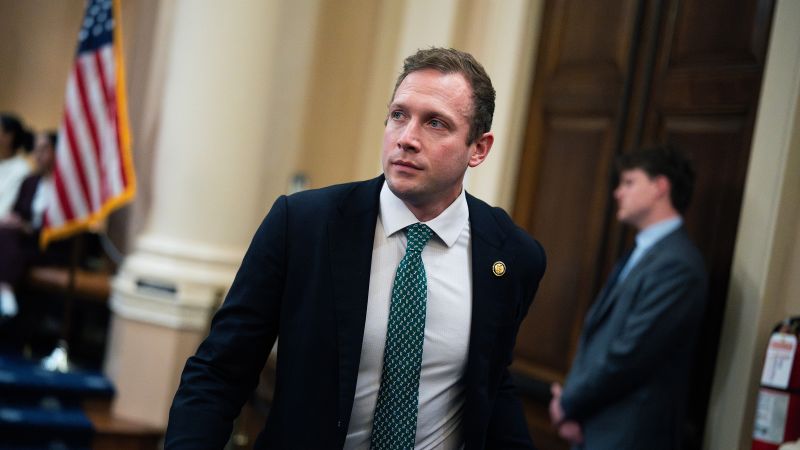
Miller Remains Defiant Amid Mounting Pressure
Representative Max Miller has publicly declared his intent to continue his reelection campaign, asserting defiance against abuse allegations and scrutiny stemming from the release of a “sensitive” photograph of his child. This strategic decision signals a commitment to confront these controversies head-on rather than withdraw.
Miller’s stance directly challenges calls for his withdrawal, notably from his former father-in-law, GOP Senator Bernie Moreno, and indicates concerns from allies of Donald Trump. His public declaration to proceed underscores a calculated risk, weighing potential electoral damage against the perceived need to resist what he describes as politically motivated pressures.
Strategic Implications of Defiance
The congressman’s decision to stay in the race, despite dual pressures from personal allegations and the damaging photograph incident, positions him as a candidate prioritizing electoral survival and narrative control. This choice suggests an assessment that withdrawal could be interpreted as an admission of guilt, leading to more severe long-term political consequences than enduring current scrutiny.
Miller’s framing of the situation as a test of character and resilience, referencing his daughter’s future perspective, aims to resonate with voters who value steadfastness. This narrative strategy seeks to neutralize allegations by portraying them as politically motivated attacks, thereby preserving his political capital.
Trump’s Ambiguous Stance and Strategic Calculus
The reported intervention by Donald Trump, including a warning that the race would be “tough” and questioning Miller’s ability to win, introduces a complex dynamic. This communication, rather than a direct demand for withdrawal, suggests Trump is balancing loyalty with the perceived electoral risk Miller poses to the broader party ticket.
Miller’s interpretation of Trump’s comments as a cautionary note, rather than a directive, allows him to maintain his defiant posture. This interpretation is crucial, enabling him to continue his campaign without appearing to defy a direct order from a key party figure, thus preserving potential avenues for future support.
House Ethics Committee Investigation
The House Ethics Committee’s announcement of an investigation into Representative Miller’s conduct introduces a formal institutional layer to the situation. This signifies a procedural escalation, moving the allegations from public opinion and personal disputes into a formal congressional oversight process.
The committee’s mandate to investigate ethical conduct means Miller’s campaign will undergo a structured inquiry, with potential findings carrying significant weight. This formal process adds institutional legitimacy to the scrutiny, potentially influencing public perception and the strategic calculations of his opponents and allies.
The Photograph Incident and its Leverage
The accidental release of a “sensitive” image of Miller’s child by his attorney has amplified personal stakes and public scrutiny. This incident, regardless of intent, introduces a vulnerable dimension to the controversy, potentially impacting public sympathy and media coverage.
The strategic leverage from this incident is twofold: for Miller, it serves as a point of personal grievance and a basis for claiming victimhood; for opponents, it offers a potent emotional and ethical angle to exploit, potentially broadening criticism beyond initial abuse allegations.
Electoral Landscape and Stakeholder Realignments
Miller’s insistence on remaining in the race forces a recalibration of strategic priorities for all stakeholders. For the Ohio Republican party, supporting Miller means embracing a candidate under ethical cloud, while pressuring him to withdraw could alienate parts of the base and create internal conflict.
Pressure from figures like Senator Moreno and implied concerns from Trump’s camp highlight internal party dynamics. These actions suggest a strategic assessment of Miller’s electoral viability and his impact on broader Republican objectives, indicating potential for shifting alliances and endorsements.
Media Narrative and Public Perception Management
Media framing, particularly through interviews, plays a crucial role in shaping public perception. Miller’s direct engagement aims to control his public image by presenting a narrative of resilience and innocence.
Ongoing media coverage will critically determine if Miller’s strategy of defiance neutralizes or amplifies the allegations. The balance between reporting on the Ethics Committee inquiry and the personal narratives presented by Miller and his accusers will significantly influence the electoral outcome.
Long-Term Political Trajectory
Miller’s decision to fight back suggests long-term ambition beyond the immediate electoral cycle. His public statements indicate a belief that weathering this storm will strengthen his political standing by demonstrating resolve.
However, the outcome of the House Ethics Committee investigation and sustained public reaction to both the abuse allegations and the photograph incident will be determinative. The resolution of these issues will likely shape his current reelection prospects and his future viability within the Republican party.
Institutional Scrutiny and Accountability
The House Ethics Committee’s investigation introduces a formal accountability mechanism. The committee operates under established rules to uphold standards of conduct for members of Congress, providing a structured framework for evaluating the allegations.
The committee’s findings will contribute to the institutional record regarding ethical conduct in Congress, underscoring the importance of oversight bodies in maintaining public trust and ensuring accountability for elected officials.
The Role of Legal and Personal Histories
Abuse allegations, presented by Miller’s ex-wife, introduce a personal legal dimension intersecting with his public office. Miller denies these allegations, but their public airing creates a complex interplay between private life and public duty.
The strategic decision to deny allegations and proceed with the campaign suggests a calculated legal and public relations strategy, aiming to compartmentalize the dispute and leverage the presumption of innocence.
Navigating Political Alliances and Opposition
Involvement of figures like Senator Bernie Moreno, Miller’s ex-wife’s father, injects significant familial and political conflict, amplifying pressure. Reported pushes from Trump’s allies to encourage withdrawal further illustrate the broader political calculus, reflecting party concerns about potential liabilities.
Miller’s continued defiance suggests a calculated assessment of his district support and ability to leverage political capital, raising questions about the extent of party intervention.
Impact of the “Sensitive” Photo
The accidental release of the “sensitive” photograph of Miller’s child has heightened public and media focus on the personal aspects of the controversy. This incident introduces a layer of vulnerability and emotional resonance that can influence public opinion.
Strategically, it challenges Miller’s management of his family life narrative while offering opponents a potent tool to broaden criticism beyond political arguments.
Future Political Capital and Repercussions
Miller’s defiant stance, while potentially rallying a base valuing resilience, carries substantial political risk. Sustained scrutiny from the House Ethics Committee and public discourse could erode support and alienate moderate voters.
Long-term repercussions will depend on the outcomes of the Ethics Committee investigation and potential legal proceedings, influencing his future viability and standing within the Republican party.
Structural Pressures on Incumbency
Incumbent politicians face amplified scrutiny during personal controversies due to their established public profiles. The conduct of elected officials is often inextricably linked to public trust and perceived fitness for office.
Miller’s responses reflect modern political communication trends, emphasizing direct media engagement and framing personal challenges as political attacks to manage perception.
Interplay of Personal and Political Narratives
This situation exemplifies the blurred lines between politicians’ personal lives and public roles. Abuse allegations and sensitive family photographs, while personal, become subjects of intense political discussion and strategic maneuvering.
Miller’s strategy of direct confrontation suggests a belief that transparency, or a controlled narrative of defiance, is the most effective approach to preemptively shape public understanding.
Role of Party Leadership and Endorsements
Involvement of figures associated with Trump highlights the influence of party leadership in crisis navigation. The Republican party’s response can significantly impact a candidate’s ability to withstand pressure.
Miller’s defiance suggests a calculated assessment of his support and political capital, raising questions about party leaders’ active intervention versus remaining sidelines.
Ethical Standards and Public Office
The House Ethics Committee investigation emphasizes ethical standards expected of public officeholders, extending beyond legal compliance to integrity and accountability.
The committee’s process will thoroughly examine the facts, with eventual findings contributing to discourse on ethical governance and expectations for elected officials.
The Strategic Value of Remaining Defiant
Miller’s decision to remain defiant is a high-stakes strategic play, aiming to project strength and conviction. By refusing to concede, he seeks to rally a base that values these attributes and views allegations as politically motivated.
This strategy relies on the assumption that a narrative of fighting unfair pressure will resonate more effectively than admitting wrongdoing or withdrawing quietly, hinging on his ability to control messaging.
The Long Shadow of Allegations
Regardless of the immediate electoral outcome, the abuse allegations and photograph controversy will likely cast a long shadow over Miller’s political career, shaping public perception and creating lasting reputational challenges.
His ability to rebuild trust and demonstrate consistent ethical conduct will be paramount, with ongoing scrutiny influencing voter attitudes in future cycles.