A New Voice for the Streets
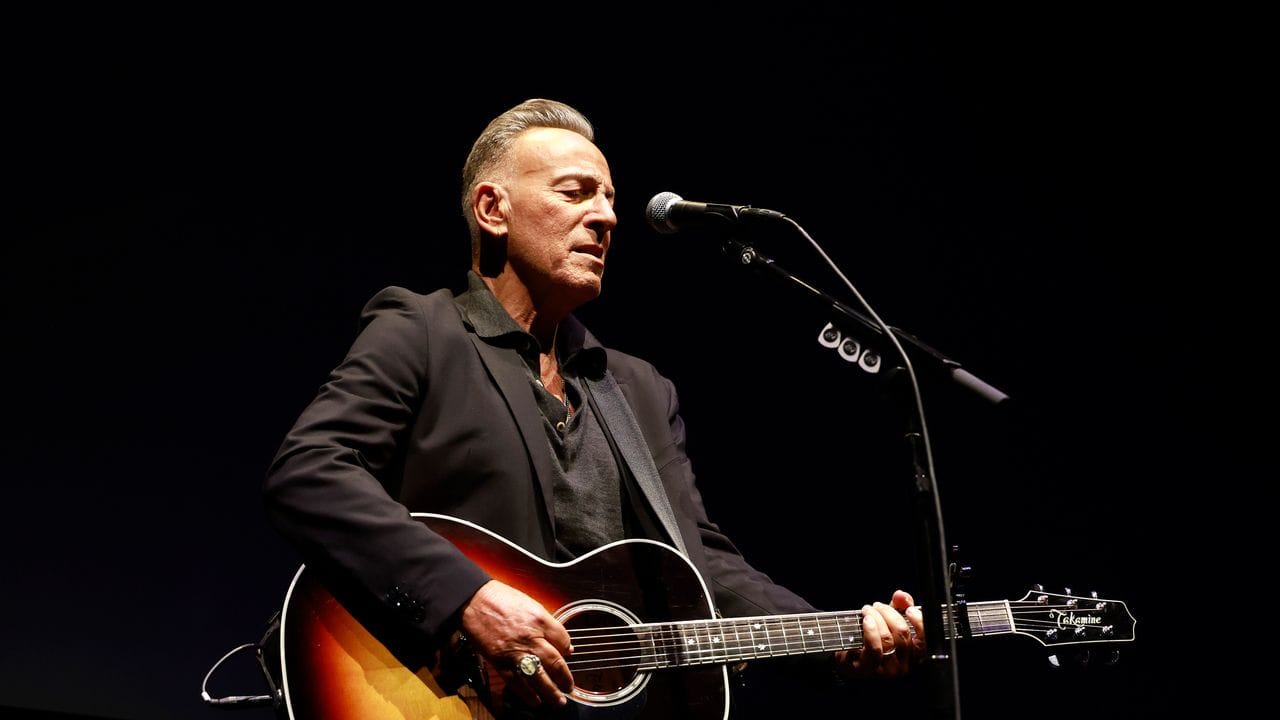
In the quiet of a cold Midwestern morning, the familiar gravel of Bruce Springsteen’s voice has returned, but it is not singing of high school glory or late-night drives down the Jersey Shore. Instead, the ‘Boss’ has turned his gaze toward the heart of Minnesota. His new track, “Streets of Minneapolis,” is a stark, haunting response to what he describes as the “state terror” currently unfolding in the city, triggered by the recent deaths of Alex Pretti and Renee Good.
The song serves as more than just a melody; it is a visceral reaction to the presence of the Department of Homeland Security and the Immigration and Customs Enforcement (ICE) agency. Springsteen’s lyrics do not mince words, characterizing the federal response as the arrival of a “private army” on American soil. The release has already sparked a massive wave of conversation across the political and social spectrum, marking one of the most significant protest songs of the current era.
The Weight of Memory: Alex Pretti and Renee Good
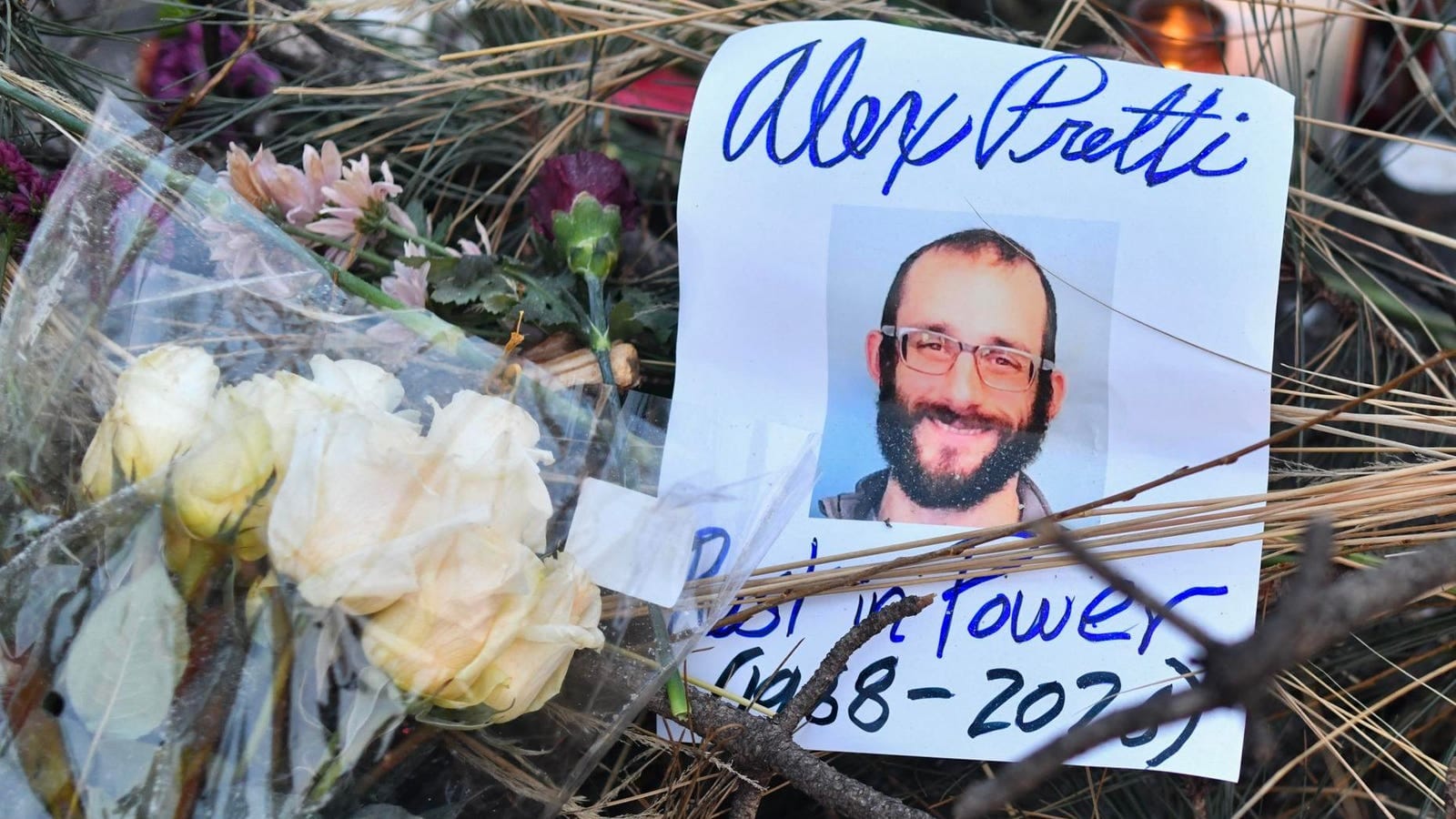
At the center of Springsteen’s lament are two names that have become rallying cries for justice in Minneapolis. Alex Pretti, a 37-year-old nurse known for his dedication to the local community, recently became the second American citizen to lose his life during an encounter with ICE agents. His death, alongside that of Renee Good, has catalyzed a national debate on the boundaries of federal law enforcement and the safety of those living within the city limits.
Springsteen’s song paints a portrait of these individuals not as statistics, but as human beings whose absence leaves a void in the social fabric. In the lyrics, he details the fear that has gripped the city, describing the shadow of federal authority as it looms over ordinary citizens going about their daily lives. The nurse, who spent his days saving lives, now serves as the symbol of a life cut short by the very institutions meant to provide security.
Billionaires and the Call for Accountability
The movement against these federal actions is not limited to the arts. A growing list of the world’s most influential figures has begun to speak out. Melinda French Gates and other billionaires have joined Springsteen in condemning the circumstances surrounding the deaths of Pretti and Good. This unusual alliance of pop culture icons and global philanthropists highlights a deepening rift between the federal government’s immigration enforcement strategies and the values of the American public.
These high-profile voices are calling for transparency and a radical rethinking of how the Department of Homeland Security operates within domestic borders. For Springsteen, the inclusion of these figures reinforces his message: that the concern over state-sponsored violence transcends economic class and political affiliation. It is, as he suggests, a matter of fundamental human rights.
The Legacy of Protest in Springsteen’s Work
This is not the first time Bruce Springsteen has used his platform to challenge the status quo. From the haunting acoustic reflections of Nebraska to the post-9/11 resonance of The Rising, Springsteen has often acted as a chronicler of the American struggle. However, “Streets of Minneapolis” represents a sharper, more urgent edge. By directly naming President Donald J. Trump and the specific actions of DHS, Springsteen shifts from metaphorical storytelling to direct political indictment.
Music historians suggest that this track may join the ranks of “American Skin (41 Shots)” as one of his most polarizing and powerful works. It captures a moment of deep national fracture, where the lines between law enforcement and military action have become increasingly blurred in the eyes of many citizens. The song’s minimal production—relying on a somber guitar and a mournful harmonica—ensures that the focus remains entirely on the lyrical weight of the message.
A City Under Watch
Minneapolis has often found itself at the epicenter of the American conversation regarding civil rights and law enforcement. The arrival of what Springsteen calls a “private army” has turned the city into a microcosm of the larger national tension. The presence of unidentified federal agents and the aggressive tactics of ICE have turned the “Streets of Minneapolis” into a site of daily protest and anxiety.
Springsteen’s lyrics reflect the sensory experience of this tension: the sound of helicopters overhead, the sight of unmarked vans, and the collective breath held by a community in mourning. By dedicating this song to the city, he has provided a soundtrack to the grief of a population that feels increasingly abandoned by its own government. The song is a mirror held up to the reality of those living in the shadow of ICE operations.
The Human Cost of Federal Policy
Beyond the political rhetoric, the song asks a fundamental question: what is the cost of a security policy that results in the deaths of those it claims to protect? The case of Alex Pretti, a nurse who was an American citizen, has particularly unnerved the public. It raises the stakes for the debate on immigration enforcement, suggesting that no one is truly safe when due process is bypassed in favor of aggressive state action.
Renee Good’s death, also mentioned in the song, further underscores the pattern of violence that Springsteen describes as “state terror.” Through his storytelling, Springsteen forces the listener to reckon with the human faces behind the headlines. He challenges the notion that these deaths are merely collateral damage, arguing instead that they are the inevitable result of a system that has lost its moral compass.
Conclusion: A Reflective Resonace
As the final notes of the song fade, the listener is left with a sense of both mourning and resolve. Springsteen’s intervention in this national crisis serves as a reminder of the power of art to document history as it happens. He has captured the fear, the anger, and the hope of a city that refuses to be silenced by the boots on its pavement.
In a final, reflective lyric that has already begun to circulate on social media, Springsteen captures the essence of the struggle: “When the law becomes the shadow, and the shadow hides the truth, we find our voice in the rubble of what they took from our youth.”