Travis Barker’s ‘Louder Than Fear’ Doc Unpacks Enduring Trauma and Resilience
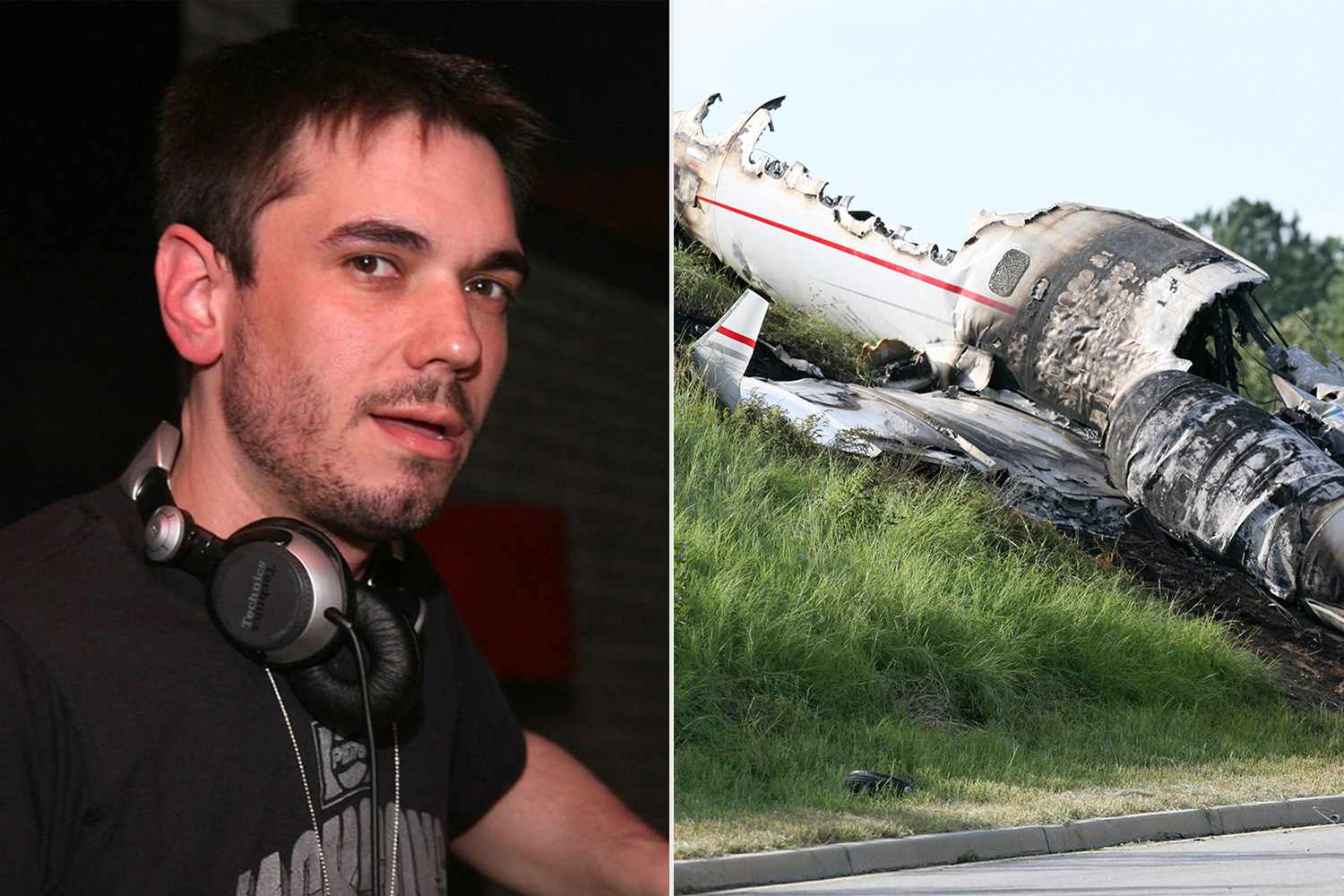
The Hulu documentary Travis Barker: Louder Than Fear provides an in-depth examination of the Blink-182 drummer’s life, with a significant focus on the lasting psychological and physical repercussions of the near-fatal 2008 plane crash. Spanning nine years of production (2017-2026), the film allows Barker to articulate the profound trauma he and fellow survivor Adam ‘DJ AM’ Goldstein endured.
The 2008 incident, which claimed four lives, left Barker and DJ AM with severe injuries and considerable emotional distress. The documentary highlights DJ AM’s subsequent struggles with PTSD and addiction, underscoring the critical need for comprehensive mental health support following catastrophic events. His narrative arc serves as a poignant case study for the broader societal challenge of addressing trauma’s long-term consequences.
Beyond the crash’s immediate aftermath, ‘Louder Than Fear’ explores more recent personal challenges, including a difficult miscarriage experienced by Barker’s wife, Kourtney Kardashian. This adds a layer to the documentary’s exploration of resilience, connecting past traumas with ongoing life events and the complexities of family planning under duress.
The film’s extended, nine-year production timeline suggests a deliberate approach to documenting Barker’s journey, enabling the capture of evolving emotional states and the gradual processing of significant life events. This extended observational period likely fostered a more nuanced portrayal of coping mechanisms and integration of profound experiences into daily life and careers.
A notable inclusion is a posthumous appearance by Foo Fighters drummer Taylor Hawkins, who shared early memories of Barker. Hawkins’ reflections on Barker’s humble beginnings as a “trash man” in Laguna Beach offer a biographical counterpoint to Barker’s later fame and intense pressures, framing his career trajectory against a backdrop of perseverance.
The documentary’s exploration of Barker’s IVF journey with Kourtney Kardashian and their shared miscarriage experience highlights the intersection of personal health, reproductive challenges, and public life. These sensitive topics, when shared publicly, can significantly influence discourse surrounding reproductive rights and the emotional toll of infertility.
The strategic release on Hulu aims to reach a broad audience, leveraging the platform’s viewership to maximize the documentary’s cultural impact and foster conversations around survival, mental health, and personal fortitude.
The inclusion of DJ AM’s struggles, despite his passing in 2009, is a critical narrative element, emphasizing the persistent and often devastating effects of trauma. His story serves as a somber reminder of long-term battles faced by survivors and the imperative for sustained support systems.
Barker’s willingness to share these deeply personal aspects—from surviving a catastrophic accident to navigating reproductive health challenges—positions him as a figure engaging with vulnerability publicly. This can foster connection with audiences who have experienced similar adversities, normalizing conversations around difficult life events.
Taylor Hawkins’ early encouragement of Barker speaks to the importance of mentorship within the music industry. His perspective, offered before his own passing, adds poignancy and underscores the interconnectedness of artists and their mutual influence.
By detailing the IVF process and its emotional labor, the documentary sheds light on the often-unseen struggles of couples seeking to conceive, contributing to a broader understanding of family-building challenges, particularly for public figures under scrutiny.
The documentary’s comprehensive scope—encompassing a near-fatal accident, health crises, and family complexities—aims to present a holistic portrait of Barker’s life. This multifaceted approach seeks to resonate with a diverse audience through universal themes of survival, loss, love, and artistic expression amidst adversity.
The narrative arc of ‘Louder Than Fear’ aligns with the trend of celebrity vulnerability, where public figures use their platforms to discuss personal struggles, influencing discourse and destigmatizing sensitive topics. Barker’s candor encourages greater openness regarding mental and reproductive health issues.
The documentary’s focus on the 2008 crash aftermath, particularly DJ AM’s experience, serves as a critical historical marker. It highlights the evolving understanding and treatment of PTSD and addiction, reflecting shifts in psychological approaches to trauma recovery.
Furthermore, the inclusion of Kourtney Kardashian’s miscarriage and subsequent IVF journey provides a contemporary narrative relevant to current societal discussions on fertility, pregnancy loss, and the emotional burdens of assisted reproductive technologies.
Taylor Hawkins’ posthumous recollections offer a unique perspective on Barker’s early career and formative influences, adding biographical depth that illustrates the long-term relationships integral to his journey.
The documentary’s structure, weaving past trauma with present challenges, creates a narrative of continuous resilience, suggesting that overcoming adversity is an ongoing process.
The strategic decision to film over nine years allows for a longitudinal study of Barker’s coping mechanisms and personal growth, offering a richer, more authentic portrayal of navigating persistent challenges.
The film’s engagement with themes of loss, through DJ AM’s story and Hawkins’ cameo, adds emotional resonance, underscoring the impact of grief and the enduring presence of those lost.
The narrative’s emphasis on Barker’s continued dedication to music despite challenges highlights artistic expression as a powerful therapeutic force and a means of processing trauma.
The exploration of Barker’s relationship with Kourtney Kardashian and their shared experiences with miscarriage and IVF offers a contemporary perspective on modern family building, relevant to current dialogues on reproductive health and parenthood.
The extended production period allows for a nuanced exploration of how public figures manage intense scrutiny alongside profound life events, offering insight into the psychological fortitude required to navigate private grief and public expectation.
DJ AM’s experience as a co-survivor illustrates the shared yet individual nature of trauma, emphasizing the long-term, often invisible, battles survivors may face and prompting reflection on societal support structures.
Taylor Hawkins’ early recollections provide a biographical anchor, contextualizing Barker’s achievements against a backdrop of early determination and illustrating foundational elements of his enduring career.
The documentary’s candid portrayal of the IVF process and emotional impact of miscarriage offers a relatable narrative for many couples, contributing to ongoing public conversations about reproductive health and infertility.
The overarching narrative of ‘Louder Than Fear’ is one of confronting and integrating profound personal adversity. By detailing the long-term effects of the 2008 plane crash alongside recent family health challenges, the documentary presents a compelling case study in resilience, vulnerability, and the enduring human capacity to persevere.