Unified Fire Incident: Exposing Critical Infrastructure Vulnerabilities in New Mexico’s Bosque Ecosystem
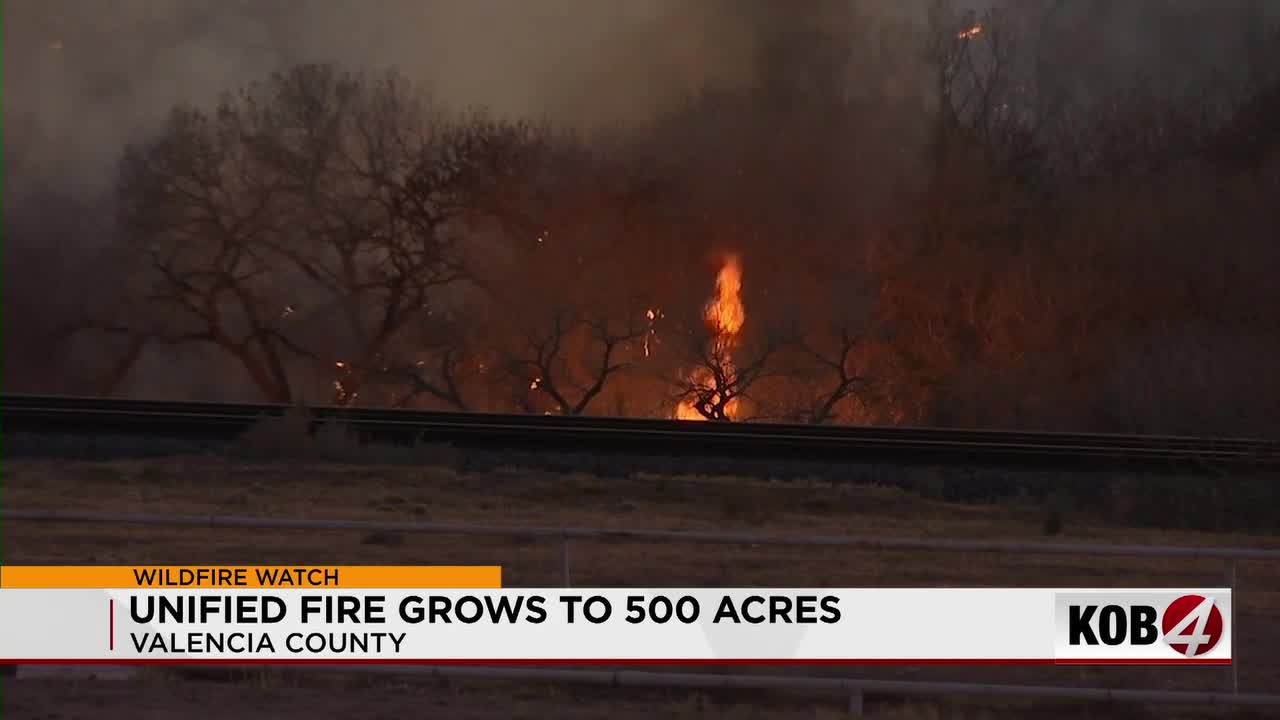
The rapidly expanding Unified Fire near Belen, New Mexico, has illuminated significant vulnerabilities in critical infrastructure and regional response capabilities, underscoring the complexities of managing wildfires in the unique geographical context of the Rio Grande Bosque. The incident, which grew to approximately 500 acres, necessitated immediate evacuations and triggered a multi-agency response, revealing systemic issues related to resource constraints and the operational challenges presented by the wildland-urban interface (WUI).
Operational Challenges in the Rio Grande Bosque
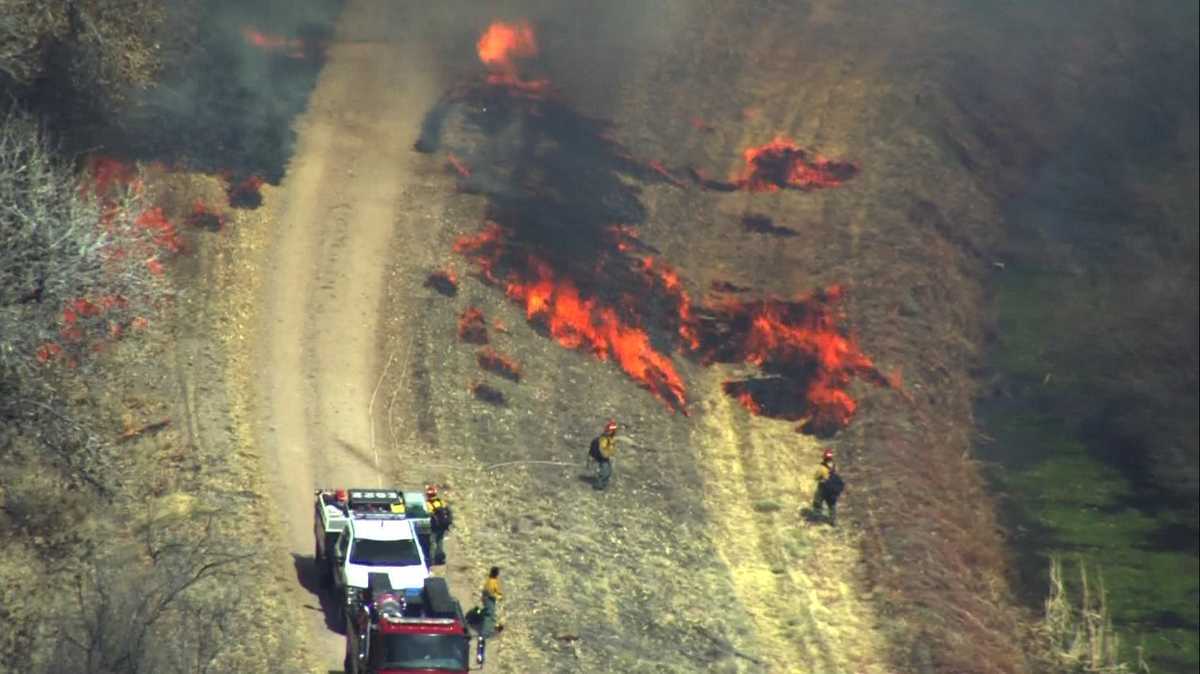
The fire’s location within the Bosque along the Rio Grande presents unique and substantial operational challenges for containment efforts. The Bosque ecosystem, characterized by dense riparian vegetation and altered hydrological patterns, often accumulates significant fuel loads. The most critical challenge observed during this incident was the fire’s ability to cross the Rio Grande around 7 p.m., effectively breaching a natural firebreak. This crossing suggests a confluence of factors, including extremely low water levels in the river and high-intensity fire behavior driven by strong winds and high fuel density. A river crossing necessitates simultaneous deployment of resources on both sides, significantly increasing logistical complexity and response time.
The incident’s classification as a Type 3 event—mandating a transition of command to the New Mexico State Forestry division—highlights the limitations of local resources in managing rapidly evolving large-scale events. This transition process, while standard, signifies that the incident exceeded initial response capacity, requiring a broader mobilization of specialized resources and personnel. The 0% containment status, reported during the initial phase of the incident, further underscores the difficulty in establishing control lines in the Bosque environment, where fine fuels like grasses and heavy fuels from cottonwood trees create a challenging and dynamic fire environment for ground crews.
Infrastructure Exposure and Utility Risk Management
The fire’s immediate impact on critical infrastructure was evident in the proactive actions taken by PNM, the local power utility. The utility cut distribution lines in the affected area, resulting in a power loss for approximately 265 homes. This decision represents a strategic risk calculation to prevent further ignition and potential damage to the grid, prioritizing public safety over service continuity. The incident highlights the growing systemic vulnerability of utility infrastructure in the WUI and the financial and operational implications for utilities. PNM faces potential costs associated with system hardening, line repairs, and regulatory scrutiny regarding fire mitigation strategies, balancing service reliability with wildfire risk management in a region prone to increasing fire frequency.
The physical proximity of the fire to residential areas, specifically the evacuation orders for Madrone Flyway and Lagrima Road, demonstrates the direct threat posed to property and life. While no structures were lost in initial reports, the rapid progression and need for immediate evacuations highlight the precarious position of communities situated near the Bosque. The presence of falling ash in evacuated areas further indicates the fire’s intensity and potential for long-range spot fires, complicating containment efforts and increasing risk to surrounding properties.
Socio-Economic Impact and Policy Implications
The fire’s disruption extended beyond residential areas to local economic stakeholders, as evidenced by the evacuation of over 200 goats from the Galloping Goat Pumpkin Patch. This incident illustrates the direct operational disruption and financial exposure faced by small enterprises and agricultural businesses in rural communities. The logistical challenge of evacuating livestock on short notice highlights the cost and risk to business continuity, particularly for operations reliant on seasonal activities.
The closure of Highway 304, a key thoroughfare in the area, impacts local supply chains and commuter routes, creating ripple effects throughout the regional economy. The incident necessitates a re-evaluation of land use policies, building codes, and vegetation management practices to mitigate future risks in high-exposure WUI zones. The reliance on mutual aid systems from surrounding jurisdictions further demonstrates the interdependency of fire management resources and underscores the structural challenge faced by local fire departments in rural counties, often underfunded, counties.
Communication protocols during the Unified Fire reflect modern emergency response strategies, utilizing social media for rapid dissemination of updates by Valencia County and Rio Communities. The use of “GO” status terminology, standardized in many jurisdictions, aims to eliminate ambiguity regarding required action for residents in immediate danger. However, this reliance on digital communication raises questions about information accessibility for residents without consistent internet access or digital literacy, highlighting the digital divide in rural settings.
Conclusion: Systemic Vulnerability and Future Mitigation
The Unified Fire near Belen exposes systemic vulnerabilities in New Mexico’s infrastructure, resource allocation, and environmental management. The incident highlights the critical need for proactive vegetation management in the Bosque ecosystem, particularly where altered hydrology has increased fuel loads. The challenge of a fire crossing the Rio Grande underscores the limitations of natural firebreaks in a changing environment, requiring a re-evaluation of containment strategies. Effective wildfire management requires a multi-faceted approach, including infrastructure hardening, community preparedness, and robust interagency cooperation to mitigate risks in the wildland-urban interface, ensuring long-term resilience for Valencia County and surrounding areas.