The Anthropogenic Pivot: Beyond Geological Anomalies
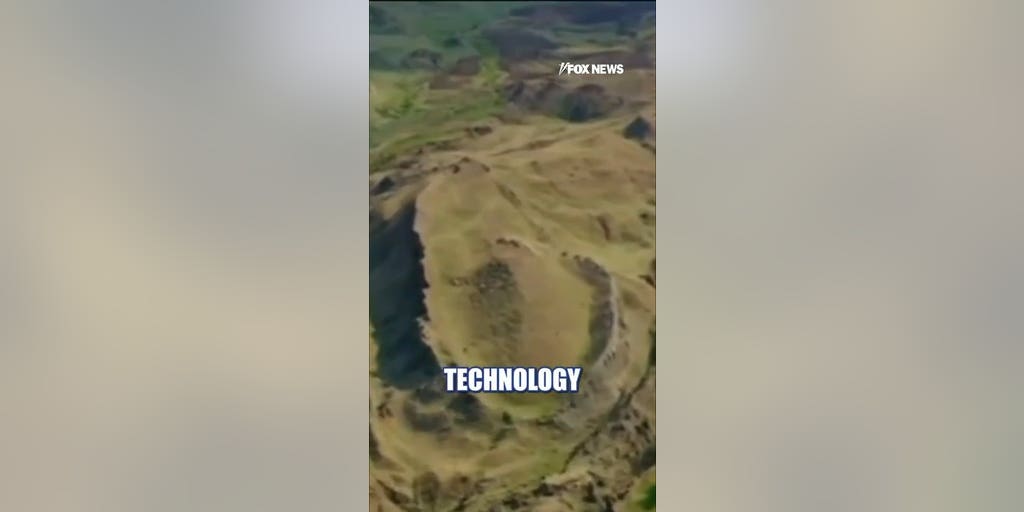
The international investigation into the Durupınar site near Mount Ararat has undergone a significant methodological shift. Recent assertions by researchers, including those from Noah’s Ark Scans, characterize the boat-shaped mound as 100% anthropogenic. This pivot moves the discourse beyond passive geological observation toward a rigorous examination of ancient structural intent and civil engineering.
Invasive Methodology and Technical Refutation
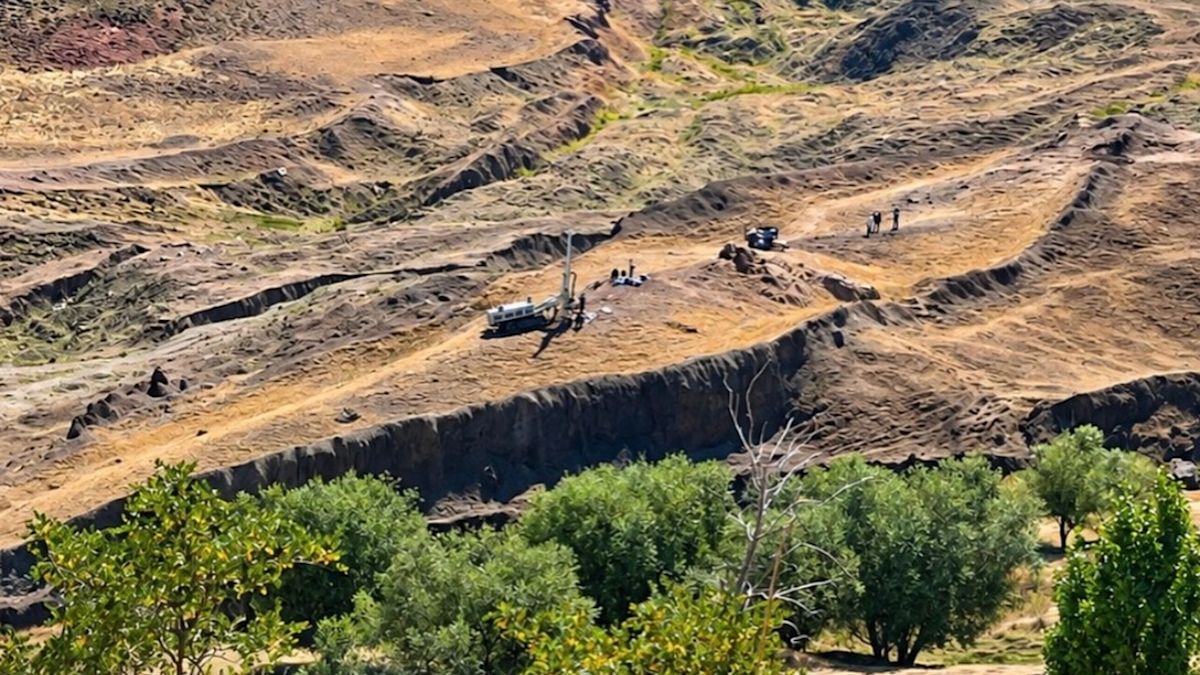
The transition to active drilling represents a calculated escalation in both capital investment and technical scrutiny. While previous non-invasive techniques—such as ground-penetrating radar—provided suggestive imagery, core sampling is now being utilized to extract empirical data. This phase specifically aims to refute the prevailing consensus that the site is a natural limestone block or glacial erratic. By identifying internal stratigraphy inconsistent with the surrounding bedrock, the team seeks to isolate evidence of non-natural materials or organized structural layering.
Institutional Friction and the Burden of Proof
The claim of man-made origin introduces a distinct friction between independent research groups and established academic institutions. Traditional archaeology typically adheres to a conservative peer-review cycle; however, the Durupınar team has adopted a media-forward strategy, utilizing platforms like Fox News and the Daily Mail to secure public interest and funding. This approach places an immense burden of proof on the core samples currently being extracted, as any evidence of timber or metal fasteners would necessitate a massive reallocation of regional institutional resources.
Economic Stimulus and Regional Geopolitics
For the Turkish government, the validation of a man-made structure of this scale carries profound economic implications. A confirmed archaeological site would transform Eastern Turkey into a global cultural landmark, necessitating rapid infrastructure development in transportation, security, and hospitality. The state’s authorization of these drilling permits indicates a strategic interest in the site’s potential as a catalyst for specialized tourism and international research funding in a historically underdeveloped region.
Conclusion: High-Stakes Archaeological Validation
The Durupınar investigation currently sits at a critical juncture. The reliance on advanced subsurface scanning followed by invasive physical intervention serves as a modern template for high-stakes archaeology. The outcome of the current drilling phase will either force a total re-mapping of ancient Near Eastern settlement patterns or reinforce existing geological models, making this one of the most scrutinized environmental studies in the region.