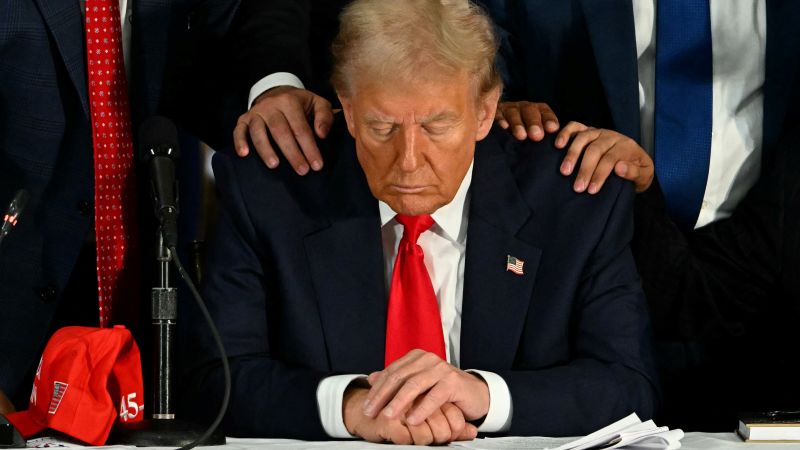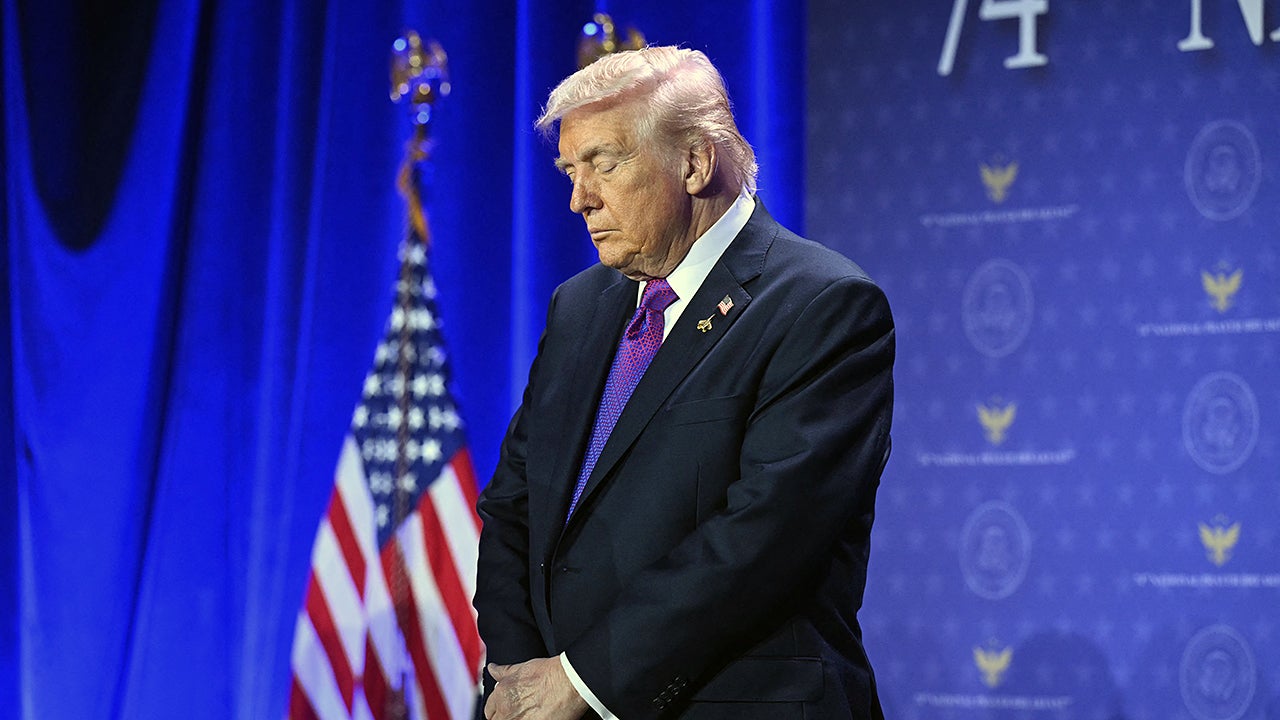
President Donald Trump’s scheduled participation in the “America Reads the Bible” initiative marks a calculated expansion of religious discourse within the formal apparatus of the executive branch. By utilizing the Oval Office as the venue for a video-recorded scripture reading, the administration leverages the symbolic gravity of the presidency to consolidate ties with a core constituency during a period of documented institutional friction. This initiative transcends ceremonial observance, serving as a strategic response to recent diplomatic tensions and domestic controversies that have tested the administration’s standing with religious stakeholders.
The Oval Office as a Reputational Corrective
The selection of the Oval Office for an evening address—timed to maximize visibility during the primary news cycle—serves to institutionalize scripture reading as an act of state-aligned piety. This strategic positioning provides a necessary contrast to recent digital controversies, specifically the backlash regarding a deleted AI-generated image that depicted the President in a messianic light. By transitioning from a non-traditional, controversial digital artifact to a foundational religious text delivered from the seat of executive power, the administration attempts to stabilize the narrative surrounding the President’s relationship with Christian iconography and orthodox tradition.
Theological Rhetoric: 2 Chronicles 7:14 and National Identity
The selection of 2 Chronicles 7:11-22 carries profound implications for the administration’s socio-political positioning. Verse 14—emphasizing humility, prayer, and national healing—is a cornerstone of American civil religion, typically invoked during periods of perceived moral transition or national crisis. By adopting a tone of national repentance, the administration resonates with evangelical and conservative Catholic demographics who view the current political landscape through a lens of spiritual warfare. The promise of “healing their land” functions as a potent incentive for a base that increasingly identifies the executive as a facilitator of divine restoration.
Mitigating Ecclesiastical and Diplomatic Friction
The “America Reads the Bible” event occurs amidst significant diplomatic tension, notably the public disagreement between President Trump and Pope Leo regarding the conflict in Iran. This rare fracture with high-level global religious authority necessitated a domestic display of scriptural alignment. By anchoring the President’s religious credentials in a weeklong event celebrating the Bible’s 250-year history in America, the administration reasserts a nationalized version of faith that operates independently of international ecclesiastical critiques, thereby securing the loyalty of voters potentially alienated by Vatican-level dissent.
Policy Alignment and the Institutionalization of Faith
The involvement of Tony Perkins, President of the Family Research Council, underscores the intersection of scriptural reading and legislative agendas. Perkins’ framing of this “pivotal time” for the “life issue” directly links the rediscovery of scripture to the administration’s pro-life priorities and judicial appointments. This transformation of a spiritual exercise into a foundational justification for policy shifts strengthens the bond between the executive branch and influential faith-based organizations. Furthermore, the Museum of the Bible’s role as the event’s host solidifies its status as a central hub for the intersection of governance and faith, providing a structured, high-status environment to dilute individual controversies through a sustained display of institutional piety.