
Orbital Dynamics and the Ecliptic-Horizon Intersection
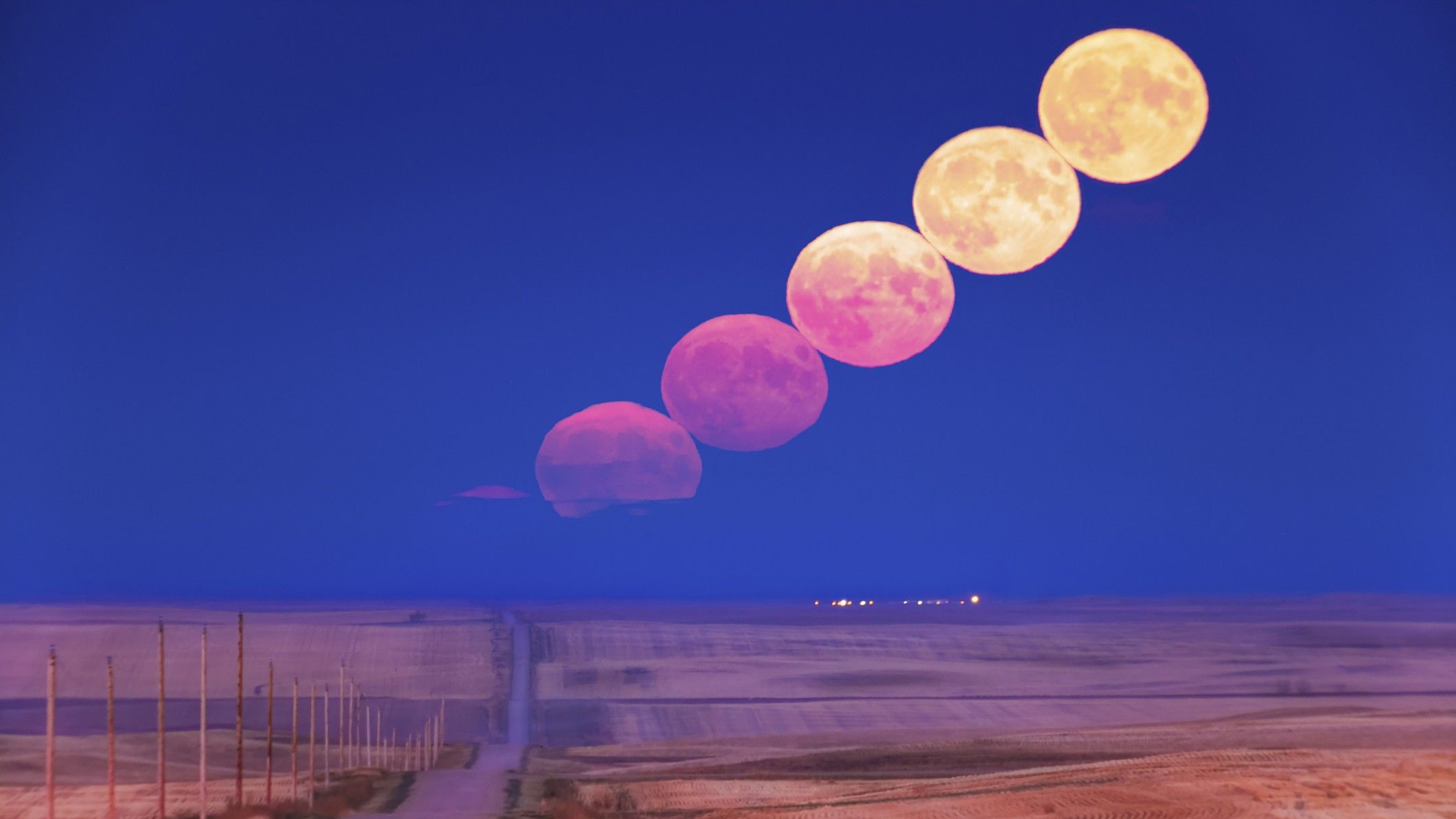
The 2026 Harvest Moon, occurring on September 26, is a function of the moon’s orbital inclination relative to the Earth’s horizon during the autumnal transition. Following the equinox on September 23 (00:05 UTC), the angle of the ecliptic—the sun and planets’ apparent path—reaches its shallowest point with the eastern horizon at sunset. This geometric alignment minimizes the daily delay in moonrise times, a phenomenon known as temporal compression.
The Productivity Multiplier: Successive Lunar Illumination
While the lunar cycle typically results in moonrises approximately 50 minutes later each night, the Harvest Moon period reduces this lag to roughly 20-30 minutes in mid-latitude regions. Historically, this provided a ‘productivity multiplier,’ extending nocturnal visibility for agricultural harvest operations. In modern contexts, this offers observers a 72-to-96-hour window of high-luminance observation, mitigating the risk of localized meteorological disruptions during the peak illumination at 12:49 p.m. ET on Saturday.
Synergistic Targets: Saturn’s Opposition and the Neptune Threshold
The 2026 window is bolstered by the proximity of Saturn, which is transitioning toward opposition on October 4. At opposition, Saturn achieves its maximum apparent magnitude and is visible throughout the entire night. Its golden hue serves as a high-contrast celestial marker near the lunar disk. Conversely, Neptune remains at a technical threshold; despite its proximity in the Pisces sector, its faint magnitude requires high-aperture optics and a reduction in the glare generated by the 100% illuminated lunar surface.
Deconstructing Media Narratives and Traditional Nomenclature
The proliferation of sensationalized titles—such as ‘Beaver Moon’ or ‘Sturgeon Moon’—often obscures the specific seasonal utility of the Harvest Moon. Unlike fixed-month names, the ‘Harvest Moon’ title is dynamic, assigned to the full moon nearest the equinox. This nomenclature reflects a global agricultural synchronization rather than localized folklore, bridging the gap between celestial mechanics and terrestrial resource management. Media focus on the ‘peak’ moment often neglects the functional consistency of the surrounding evenings, which offer nearly identical visual data.
Technical Logistics for Optimal Documentation
Institutional data from NASA and the Old Farmer’s Almanac emphasize that local sunset, rather than universal peak time, dictates the most effective viewing window. For astrophotographers and educational stakeholders, the primary challenge remains the high-glare environment of a full moon. Utilizing the ‘Moon Illusion’ during the horizon-transition phase provides the best opportunity for capturing the moon alongside foreground elements and the Saturnian system, leveraging the atmospheric filtering that produces the characteristic golden coloration.
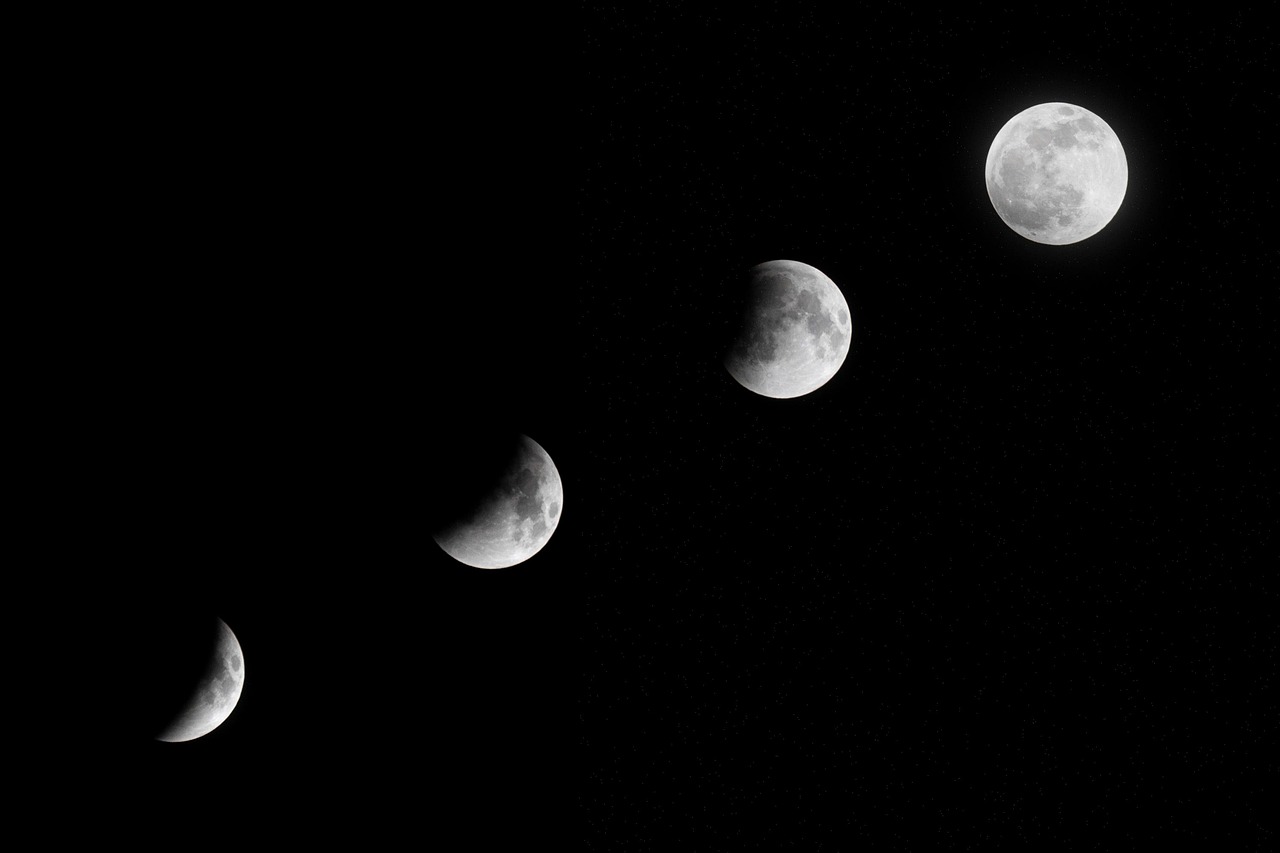
Photo by Sergio-sq on Pixabay.