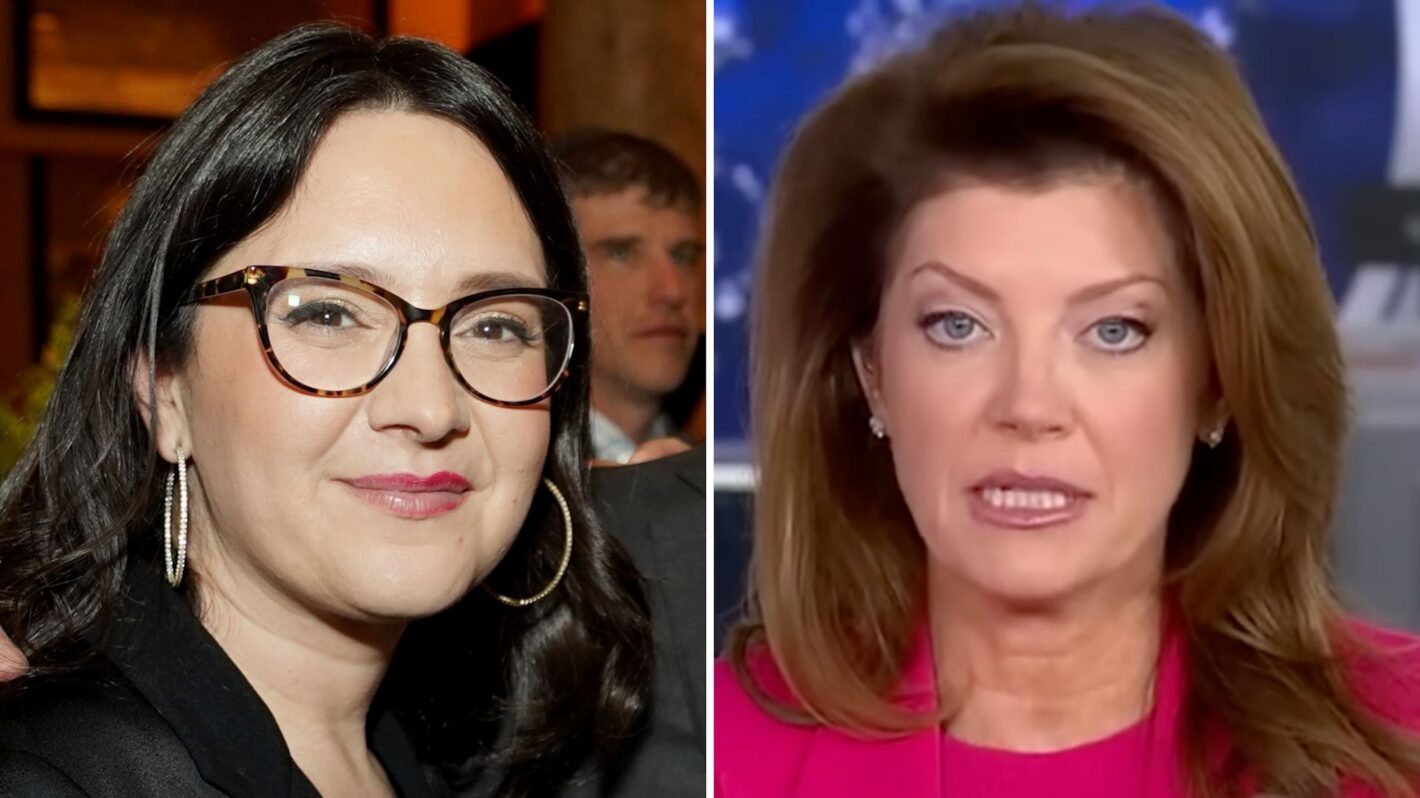
Norah O’Donnell’s Temporary CBS Mornings Stint Highlights CBS News Leadership Uncertainty
Veteran anchor Norah O’Donnell has returned to co-host CBS Mornings for a three-day engagement, coinciding with her book promotion and underscoring the ongoing search for a permanent replacement for Tony Dokoupil. This temporary assignment places O’Donnell, a senior correspondent and 60 Minutes contributor, back in a prominent morning slot she previously occupied from 2012 to 2019.
O’Donnell’s appearance serves a dual purpose: promoting her new book, ‘We the Women: The Hidden Heroes Who Shaped America,’ and providing CBS News with a familiar presence during a period of significant executive transition. The network’s editor-in-chief, Bari Weiss, appointed in October by Paramount Global CEO David Ellison, is instrumental in these shifts. O’Donnell’s temporary role may signal strategic considerations for future on-air talent and programming direction.
Leadership Flux and Strategic Realignments at CBS News
O’Donnell’s temporary co-hosting occurs amidst reported leadership changes and a strategic reorientation at CBS News initiated under Weiss. O’Donnell herself has publicly acknowledged the “challenging” nature of these leadership shifts, noting a palpable sense of uncertainty among colleagues regarding the network’s future trajectory.
Her nearly 14-year tenure at CBS News, including roles as White House correspondent and anchor for both morning and evening programs, offers a unique perspective on these internal dynamics. O’Donnell’s candid remarks about colleagues experiencing fear due to leadership instability suggest a broader organizational challenge in maintaining morale and strategic clarity.
Weiss, known for her commentary on cultural and political issues, was appointed editor-in-chief in October. Since her appointment, CBS News has reportedly seen staff departures, buyouts, and planned layoffs, indicating a significant operational and editorial restructuring.
The strategic implications of Weiss’s leadership are emerging through these personnel and structural adjustments. The network’s pivot, potentially driven by a need to recalibrate its editorial stance or appeal to different audience segments, necessitates evaluating how established talent and programming formats will adapt.
Competitive Landscape and Stakeholder Impact
O’Donnell’s return to the CBS Mornings desk injects brand recognition and a degree of stability into a program navigating leadership transitions. This move could be a strategic effort to leverage established talent while the search for a permanent co-host continues, potentially influencing viewer engagement and competitive positioning against rival morning shows.
The broader impact of these leadership changes affects CBS News’s reputation and its ability to attract and retain top-tier journalistic talent. Frequent executive turnover can foster an environment of perceived instability, potentially impacting newsgathering operations, advertiser confidence, and the network’s standing in a competitive media ecosystem.
For stakeholders—employees, viewers, and advertisers—the current period at CBS News is critical. The success of Weiss’s editorial vision and Ellison’s strategic direction will be measured by the network’s ability to maintain journalistic integrity while adapting to evolving media consumption patterns and competitive pressures.
O’Donnell’s dual role as guest host and author highlights the symbiotic relationship between on-air talent, personal projects, and network programming. Her book, focusing on historical women, may align with or diverge from the network’s broader editorial themes, offering insight into potential content strategies under new leadership.
Operational and Financial Considerations
Reported staff reductions, buyouts, and layoffs suggest a drive for operational efficiency and cost management. These measures, often implemented during strategic realignments, can significantly impact newsroom morale, production capabilities, and the depth of investigative journalism.
While specific financial performance metrics for CBS News are not detailed, they are linked to advertising revenue, affiliate fees, and the overall profitability of Paramount Global. Strategic shifts aimed at revitalizing viewership or attracting new demographics are frequently underpinned by a need to improve financial outcomes.
Capital allocation decisions by Paramount Global’s leadership will be crucial in determining resources for CBS News’s editorial initiatives, technological upgrades, and talent acquisition. This restructuring may involve reallocating resources, prioritizing certain programming or journalistic focuses.
The long-term viability of CBS News as a major broadcast journalism entity hinges on its ability to navigate these financial and operational pressures while upholding its journalistic mission. The effectiveness of leadership changes and strategic adjustments will ultimately be reflected in the network’s market share, critical reception, and financial health.
Future Trajectories and Industry Implications
O’Donnell’s temporary co-hosting role on CBS Mornings, while a specific event, is emblematic of broader trends in broadcast news. Networks continuously evaluate talent, programming, and editorial strategies to remain relevant in a fragmented media landscape dominated by digital platforms and shifting audience preferences.
The emphasis on figures like Bari Weiss, known for distinct editorial viewpoints, suggests a potential for more ideologically defined news programming. This approach carries inherent risks and rewards in audience capture and brand perception.
Competitive pressure from cable news and digital-native organizations necessitates that traditional broadcasters like CBS News adapt their content and distribution models. Current strategic decisions will shape the network’s ability to compete effectively, influencing its role in public discourse and its market position.
Ultimately, the developments at CBS News, exemplified by O’Donnell’s temporary return and broader leadership changes, illustrate the dynamic nature of the contemporary media industry. The interplay of editorial vision, operational imperatives, and market forces will define the future of broadcast journalism.