The Mechanics of the May 2026 Lunar Cycle
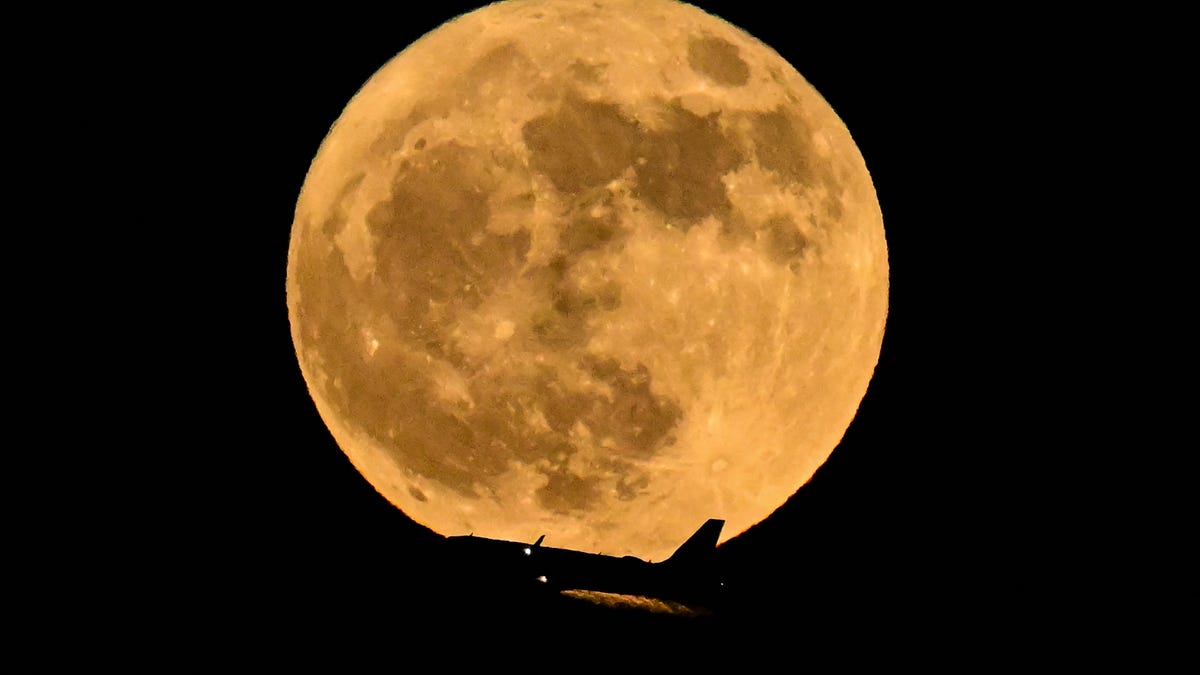
The lunar calendar for May 2026 features a rare configuration: two full moons within a single calendar month. This cycle provides both a public engagement opportunity and a critical period for institutional data collection regarding orbital variance.
The first event, the ‘Flower Moon,’ reaches peak illumination on May 1 at 1:23 p.m. ET. Due to optical perception and atmospheric conditions, the lunar disc appears fully illuminated during a 48-hour window, offering an extended timeframe for ground-based observation.
Scientific Implications of Micromoons
May 2026 initiates a series of three micromoons. A micromoon occurs when the lunar perigee aligns with the full moon phase, resulting in the moon being at its furthest orbital point from Earth. NASA data indicates a distance of 249,180 miles, exceeding the 238,855-mile average. This apogee distance provides a vital baseline for measuring gravitational influence and orbital perturbations relevant to missions like Artemis III.
Institutional and Operational Context
Precision in lunar exploration requires consistent monitoring. Noah Petro, project scientist for Artemis III, notes that while peak illumination is a discrete temporal event, the sustained visibility of the full moon allows observatories to synthesize data over longer durations. This cadence is essential for refining landing site safety protocols for future human lunar missions.
The Blue Moon and Temporal Synchronization
The month concludes with a second full moon on May 31, defined as a ‘Blue Moon.’ This occurrence highlights the inherent mismatch between the 29.5-day lunar synodic period and the Gregorian calendar. Scientific institutions leverage these disparities to calibrate public outreach regarding orbital mechanics and the complexities of long-term celestial tracking.
Sociocultural Perspectives
The cycle has generated significant cultural interest. While astrological frameworks interpret the Scorpio full moon as a period of heightened emotional intensity, these interpretations exist independently of the empirical orbital data that dictates aerospace research. Such interest serves as a proxy for public engagement with celestial phenomena.
Strategic Engagement and Scientific Literacy
The visibility of these events serves as a catalyst for public communication. By translating technical milestones—such as orbital variance during micromoons—into accessible information, agencies foster support for continued lunar exploration. Sustained interest in the May 2026 cycle is a strategic asset for securing the ongoing funding and public commitment required for modern planetary science.