
Institutional Accountability and the Precedent of Ownership Discipline
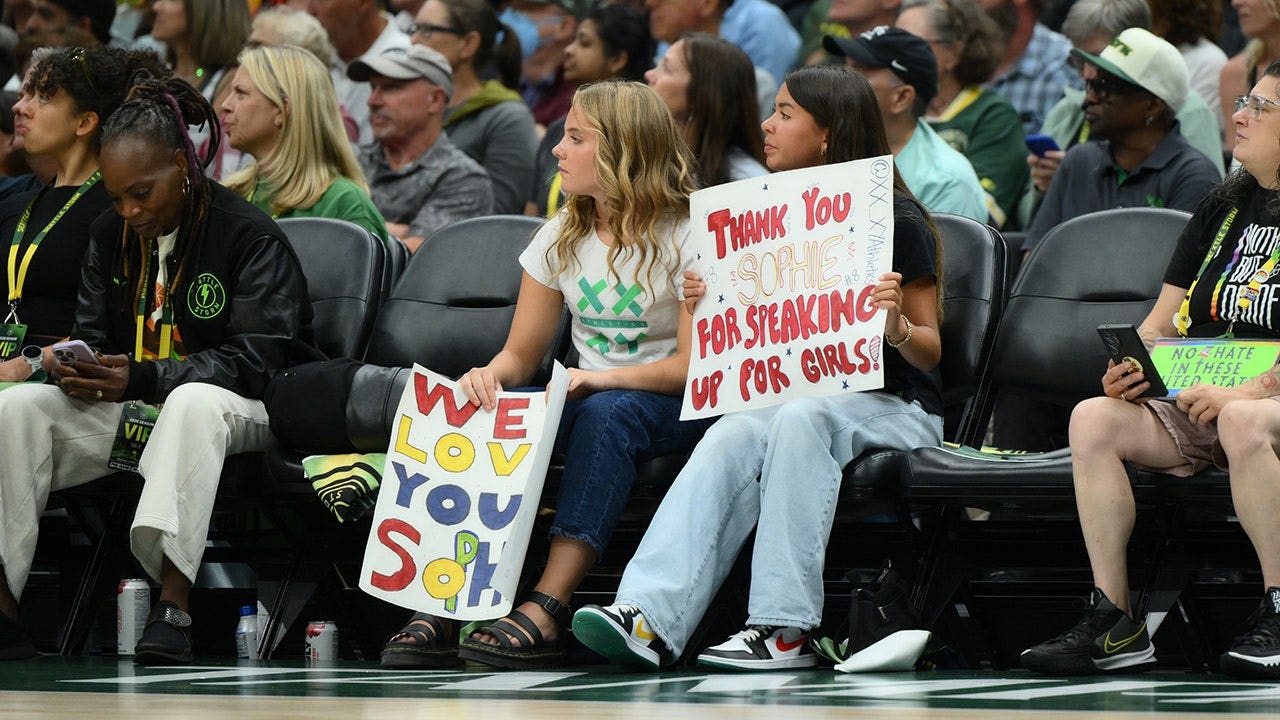
The WNBA’s decision to fine and suspend Seattle Storm co-owner Celeste Keaton for five home games marks a pivotal moment in the league’s administrative history. By formalizing sanctions against a high-ranking executive following a verbal altercation with spectators, the league has signaled a shift toward a more rigorous enforcement of conduct standards. This intervention addresses an incident during a game against the Indiana Fever, where Keaton reportedly targeted teenage fans with expletives, directly challenging the perceived immunity often associated with franchise ownership.
This disciplinary measure serves as a strategic protection of the league’s commercial environment. In professional sports, the integrity of the ‘fan experience’ is a primary product; when ownership breaches the decorum expected of spectators, it threatens the brand’s stability. The WNBA’s response reinforces a governance framework where financial and operational penalties are applied universally, ensuring that executive visibility does not translate into a liability for the league’s broader market objectives.
The Intersection of Political Polarization and Arena Governance
The conflict was precipitated by fan support for Indiana Fever guard Sophie Cunningham and advocacy for Washington state ballot initiative IL26-638. This initiative, which addresses transgender participation in school athletics, highlights the friction between the WNBA’s inclusive marketing and the diverse political landscape of its stakeholder base. Keaton’s alleged reaction to these political expressions brings internal ideological tensions into a public, commercial space, forcing the league to act as a neutral arbiter in a highly polarized environment.
For the Seattle Storm, the fallout necessitates a robust damage control strategy. Majority owner Ginny Gilder’s public apology represents an institutional attempt to decouple the franchise from the individual actions of a partner. This separation is essential for maintaining corporate sponsorships and season ticket holder retention, particularly among demographics that may view the front office’s hostility as a violation of the league’s stated values of tolerance and respect.
Asymmetric Power Dynamics: Player Agency vs. Executive Authority
Sophie Cunningham’s public condemnation of Keaton’s behavior introduces a significant shift in the player-owner power dynamic. By leveraging her social media platform to support the fans and criticize Keaton’s leadership, Cunningham exercised a form of brand autonomy that bypasses traditional hierarchical communication. Her promise of gifts to the targeted fans effectively created an alliance between a star athlete and the public, positioning the player as a moral authority over a team executive.
This development underscores the rising influence of ‘player-as-platform’ in modern sports. When athletes use their personal brands to demand accountability from league leadership, it complicates the traditional top-down management style. The Storm’s internal culture is now under scrutiny, as the incident suggests a potential misalignment between the organization’s executive behavior and the expectations of the athletes who drive the league’s value.
Operational Risks and the Transparency of Digital Media
The financial and operational consequences of Keaton’s suspension extend beyond the immediate fine. The absence of a co-owner during key home fixtures disrupts high-level networking and corporate hospitality functions, which are vital for revenue generation. Furthermore, the role of independent media—specifically journalist Brandi Kruse—in documenting the incident highlights the difficulty of controlling narratives in a digital-first era. The viral nature of the reporting forced a reactive stance from the WNBA and the Storm, increasing the reputational cost of the misconduct.
Ultimately, this case study illustrates the necessity for sports organizations to treat the arena as a site of rigorous corporate responsibility rather than a private forum for executive expression. As the WNBA continues its trajectory of growth, the ability to navigate local political disputes without compromising league-wide operational stability will be a defining factor in its long-term commercial success.
Photo by DtheDelinquent on Pixabay.