The Duke and Duchess of Sussex’s confirmed July 2026 UK return signifies a strategic recalibration of their relationship with the British monarchy. Their acceptance of an invitation to reside within a royal estate, rather than a public-facing venue, indicates a pivot towards institutional reconciliation and enhanced operational security. This move from high-visibility friction to a controlled environment addresses long-standing safety concerns by leveraging the Crown’s assets for privacy and de-escalation.
Operational Security and Royal Estate Strategy
The decision to utilize a royal residence offers a sophisticated risk management solution, circumventing the complexities of state-funded security post-legal challenges. Royal estates provide inherent security infrastructure, combining geographic isolation with established protocols for privacy unattainable at urban palaces. This arrangement suggests the King is employing the Crown’s physical assets to de-escalate tensions, offering a compromise that meets security needs without altering Home Office policy. Furthermore, integrating private accommodation allows for operational autonomy, enabling the Sussexes to pursue independent charitable and commercial interests while mitigating institutional friction. This diversified housing strategy facilitates management of Invictus Games logistics and protects their children from intense media scrutiny.
Invictus Games: A Soft Power and Economic Anchor
The visit’s primary professional objective is the one-year countdown to the 2027 Invictus Games in Birmingham, a cornerstone of Prince Harry’s philanthropic brand. Hosting the Games in Birmingham places the Duke at the center of a significant national initiative, reinforcing his commitment to the UK’s charitable sector and framing his presence as one of service and international cooperation. The Games also act as a catalyst for regional economic investment and public-private partnerships, allowing the Duke to leverage his platform for tangible UK economic benefits. This alignment with national interests cultivates a narrative of “service from abroad” tethered to British institutions.
The Spencer Connection: Heritage and Independent Leverage
The planned visit to Althorp House, the ancestral Spencer home, introduces a secondary dimension to the itinerary, reinforcing the Duke’s connection to his maternal heritage. This relationship with Earl Spencer provides a supportive domestic base independent of the Windsor institutional framework, offering cultural and emotional leverage. Visiting his mother’s grave around her birthday is a symbolic act that re-centers the narrative on his personal history and role as a protector of Diana’s legacy, conferring significant moral authority. This focus on the Spencer lineage allows the Sussexes to cultivate a distinct identity that honors tradition while maintaining separation from current royal administrative structures.
Institutional Reconciliation and Generational Continuity
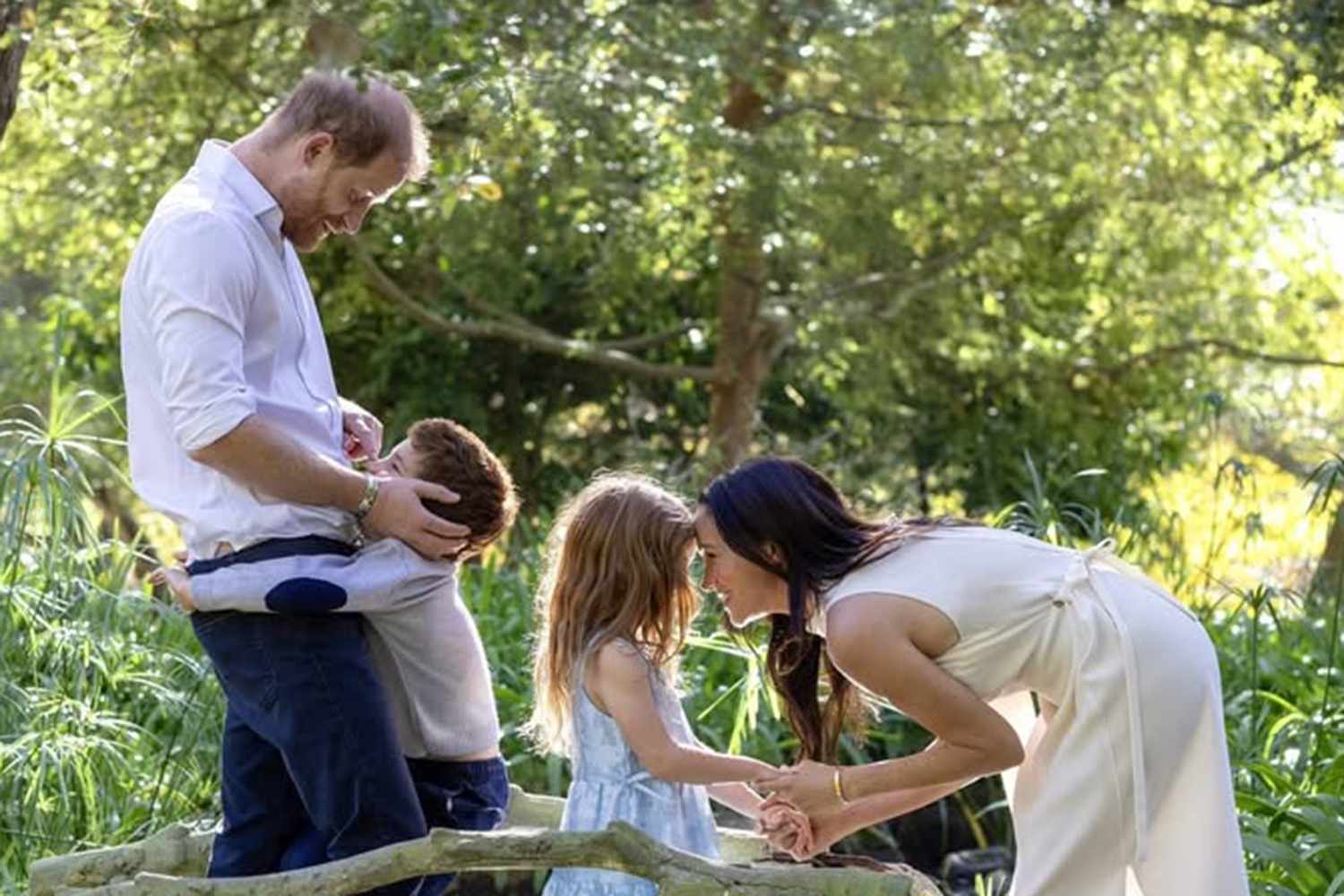
The inclusion of Prince Archie and Princess Lilibet in the July visit marks a significant step towards familial and institutional stabilization. Their presence allows the King to establish direct relationships with his grandchildren, crucial for the future cohesion of the royal family and fulfilling the Duke’s expressed desire for reconciliation. The children’s exposure to the UK environment reaffirms their connection to their British heritage and place in the line of succession. Introducing them to Althorp and royal estates ensures the next generation remains grounded in their lineage’s historical and physical context, maintaining the legitimacy of their titles and future roles.
Media Dynamics and Narrative Control
The Sussexes’ visit will invariably generate complex media responses, testing their communication strategy and the palace’s narrative management capabilities. The decision to keep the specific royal residence private is a tactical measure to prevent disruptive media encampments, directly addressing security concerns and signaling a more controlled approach to public engagement. The visit’s success will hinge on balancing high-profile charitable work with private familial meetings, minimizing opportunities for speculative or negative coverage. A meticulously curated itinerary emphasizing professional discipline and familial duty is anticipated.
Financial and Strategic Implications for the Monarchy
The King’s offer of accommodation within a royal estate demonstrates pragmatic use of Crown property to resolve a persistent diplomatic and security challenge. This sets a potential precedent for managing non-working royals during domestic visits, reducing state logistical burdens while maintaining oversight. The Sussexes’ continued support for UK charities reinforces their enduring domestic ties and provides a valuable service to the UK’s third sector through the Duke’s global profile and fundraising capacity. This strategic integration suggests a move towards a functional, albeit distanced, working relationship with the UK’s institutional landscape.
Conclusion: A Diplomatic Realignment
The July 2026 visit represents a pivotal moment for the Duke and Duchess of Sussex in navigating their post-royal identity within their British context. Anchoring the trip in the Invictus Games and the Spencer legacy asserts a narrative of continuity and service that transcends past conflicts. The acceptance of royal accommodation and focus on reconciliation indicate a mutual recognition of the benefits of a stable, cooperative relationship for all stakeholders. As the Birmingham 2027 countdown intensifies, the Sussexes are positioning themselves as key players in a major national event, bridging their Californian life with UK responsibilities. The visit’s outcome will likely define the template for future engagements, establishing the potential for a sustainable model of their involvement in British life, balanced across security, privacy, and public service.