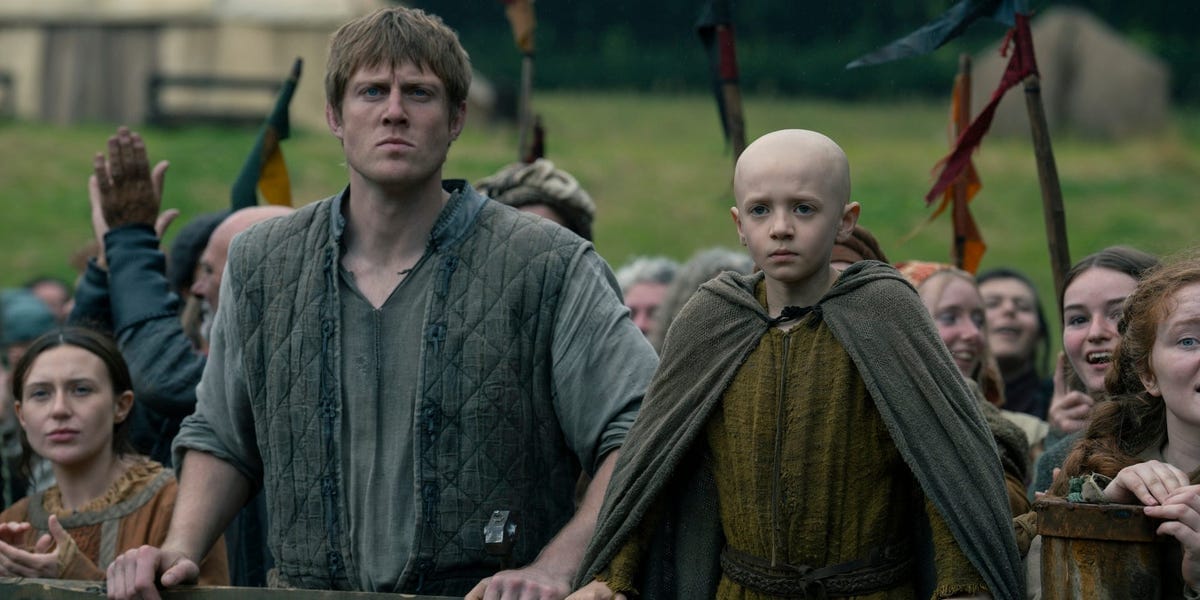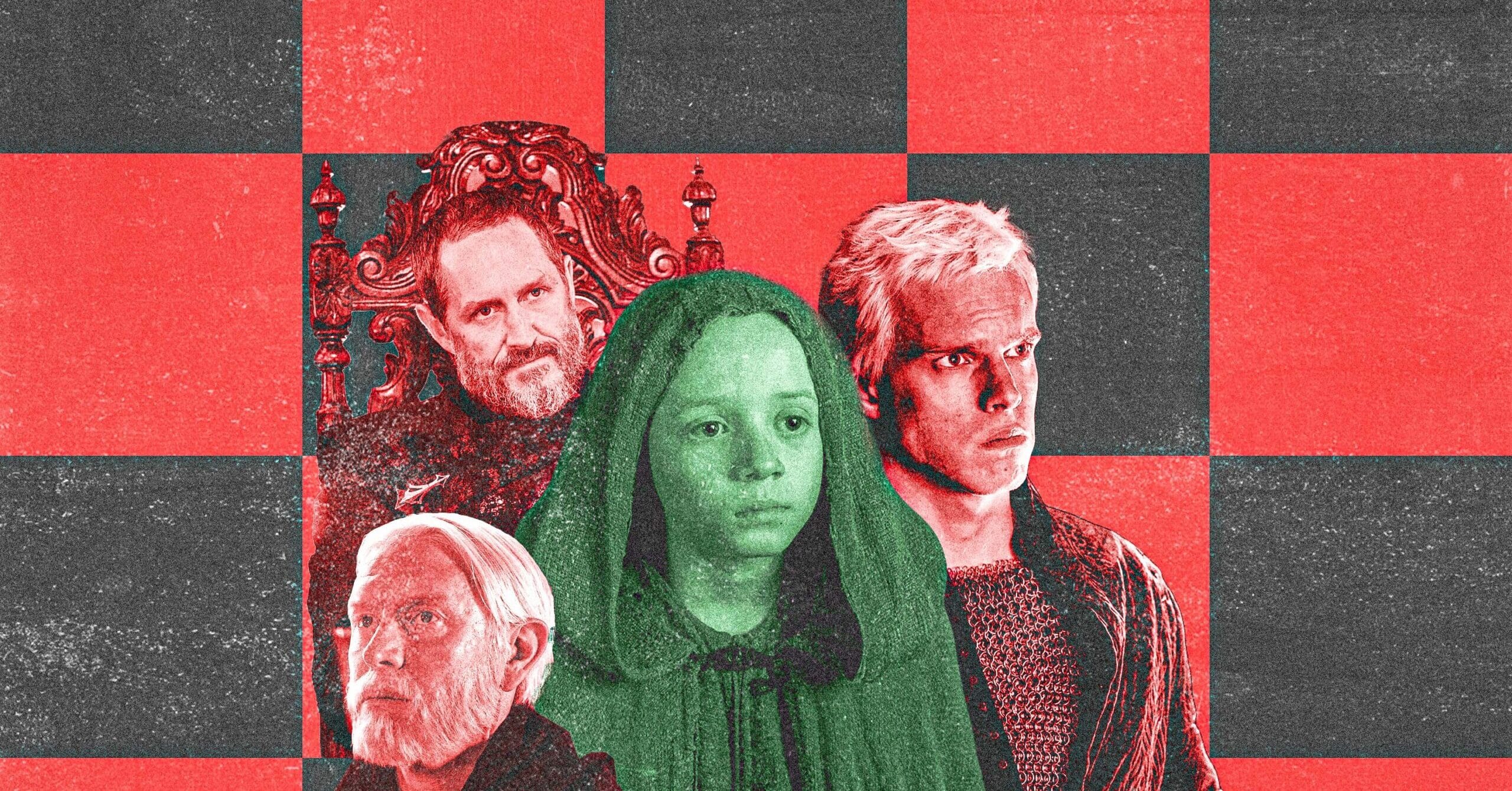
The narrative arc of the “Game of Thrones” prequel series, ‘A Knight of the Seven Kingdoms,’ has reached a significant turning point with the revelation of the true identity of Dunk’s young squire, known as Egg. This disclosure, presented in the third episode of the inaugural season, confirms a significant prophecy that has been a part of the established lore.
For viewers observing the dynamics between the imposing hedge knight Ser Duncan the Tall (Dunk) and his remarkably well-educated and assertive young companion, the squire’s intellectual bearing and decisive nature may have seemed incongruous with a typical peasant background. The series deliberately constructs this element of mystery, allowing astute observers to infer that Egg’s lineage and upbringing likely extend beyond the ordinary circumstances of a commoner.
The naming convention itself, ‘Egg,’ has served as a subtle indicator for those familiar with the source material. Within the established canon, the identity of Egg is a critical element, directly linked to a specific prophecy that foretells significant future events. The revelation in ‘The Squire,’ episode three, explicitly validates this textual element, bringing a key piece of the narrative’s foundational mythology into visible realization within the television adaptation.
The structural implication of this reveal within the series’ production context is multifaceted. It serves as a primary narrative engine, elevating the stakes for the characters by grounding their present actions in a future that is already, in a sense, written. This strategy is common in adaptations of epic fantasy narratives, where preordained destinies and prophecies often shape the perceived trajectory of events, creating dramatic tension between character agency and inevitable outcomes.
From an institutional perspective within the fictional world, the lineage of ‘Egg’ is tied to the historical continuity and administrative structures of the Targaryen dynasty. His identity is not merely a personal revelation but a re-entry of a significant bloodline into the operational sphere of Westerosi politics and power. The Targaryen state of affairs, often characterized by internal complexities and the weight of dynastic legacy, is thus directly impacted by the emergence of this character from relative obscurity.
The nature of prophecies in Westerosi society, as depicted in the ‘Game of Thrones’ universe, often functions as a form of cultural and political capital. They are not simply omens but can be interpreted as directives or justifications for action, influencing the decisions of individuals and the broader political landscape. The confirmation of Egg’s prophecy suggests a reinforcement of traditional power structures and historical continuities, even as the characters navigate a period of upheaval.
The decision to highlight this specific revelation in episode three suggests a pacing strategy designed to engage the audience with a pivotal plot development early in the season. This is a common editorial approach in episodic storytelling, particularly in genres that rely on the gradual unfolding of complex mythologies and character arcs. It aims to solidify audience investment by providing a substantive narrative payoff that is both surprising to the uninitiated and satisfying for those familiar with the books.
The ‘Easter egg’ aspect, as noted in the source, also speaks to the meta-narrative considerations of such a high-profile franchise. These carefully embedded references serve to reward dedicated fans and reinforce the connection between different iterations of the story. In this case, the fulfillment of the book prophecy acts as a direct nod to the source material, enhancing the perceived fidelity of the adaptation.
The broader implications for the ‘Game of Thrones’ universe involve reinforcing the cyclical nature of history and power within Westeros. Dynasties rise and fall, but the legacies and prophetic elements associated with them often persist, influencing future generations. The reveal of Egg’s identity thus situates ‘A Knight of the Seven Kingdoms’ not merely as a standalone prequel but as an integral component in the unfolding tapestry of the Targaryen saga.
The structural role of the Targaryen dynasty within Westerosi governance cannot be overstated. Their historical dominance, marked by dragon-riding rulers and a distinctive approach to kingship, established a unique administrative and cultural framework. Any character whose identity is linked to the re-emergence or continuation of this lineage holds inherent structural significance, potentially influencing the future direction of political power and the ruling paradigms of the Seven Kingdoms.
The contrast between Dunk’s simple, honorable path and Egg’s hidden, dynastic importance creates a dynamic of inherent thematic tension. This juxtaposition highlights the series’ exploration of different forms of power – the strength derived from personal integrity versus the influence of birthright and prophecy. Such thematic dichotomies are central to the ‘Game of Thrones’ franchise, exploring the complex interplay between individual character and the grander forces of destiny and societal structure.
The deliberate withholding and subsequent reveal of Egg’s identity underscores a narrative design focused on building mystery and delivering impactful plot resolutions. This approach aligns with established practices in serialized fiction, where the timing of disclosures is crucial for maintaining audience engagement and thematic resonance. The confirmation of a book prophecy serves as a form of narrative closure for those aware of the lore, while simultaneously opening new avenues of dramatic possibility for the characters’ future journeys.