The Architecture of Post-Presidential Access and Institutional Risk
The appearance of former President Bill Clinton before the House Oversight Committee represents a pivotal evaluation of high-level social networks and their convergence with global philanthropic frameworks. This deposition, concentrated on historical associations with Jeffrey Epstein, elucidates the complexities of managing reputational exposure within the post-presidential diplomatic sphere. The defense strategy posits these associations as operational byproducts of the Clinton Foundation’s early growth, attempting to frame social proximity as a professional necessity of global charity work.
However, institutional risk remains anchored in the mechanics of facilitation. The committee’s probe scrutinizes whether these networks provided more than philanthropic synergy, identifying systemic vulnerabilities in how former executives interact with high-net-worth individuals. This inquiry seeks to determine if traditional vetting processes were bypassed in favor of informal, high-stakes networking.
The Maxwell-Band Nexus: Intermediaries as Gatekeepers
Department of Justice (DOJ) files and vetted correspondence underscore the roles of Ghislaine Maxwell and Doug Band in managing the former president’s interface with Epstein. Between 2002 and 2004, Maxwell’s efforts to institutionalize access through senior aides established a layer of strategic insulation. This intermediary-driven model explains the absence of direct digital footprints between the principals, suggesting a deliberate architecture designed to filter engagement while retaining social capital.
For investigators, mapping the operational flow of influence through Band and Maxwell is essential to determining the extent to which staff-level interactions masked executive awareness. These communications are currently analyzed not for their social content, but for the networking protocols they reveal.
Hillary Clinton’s Testimony and Strategic Distancing
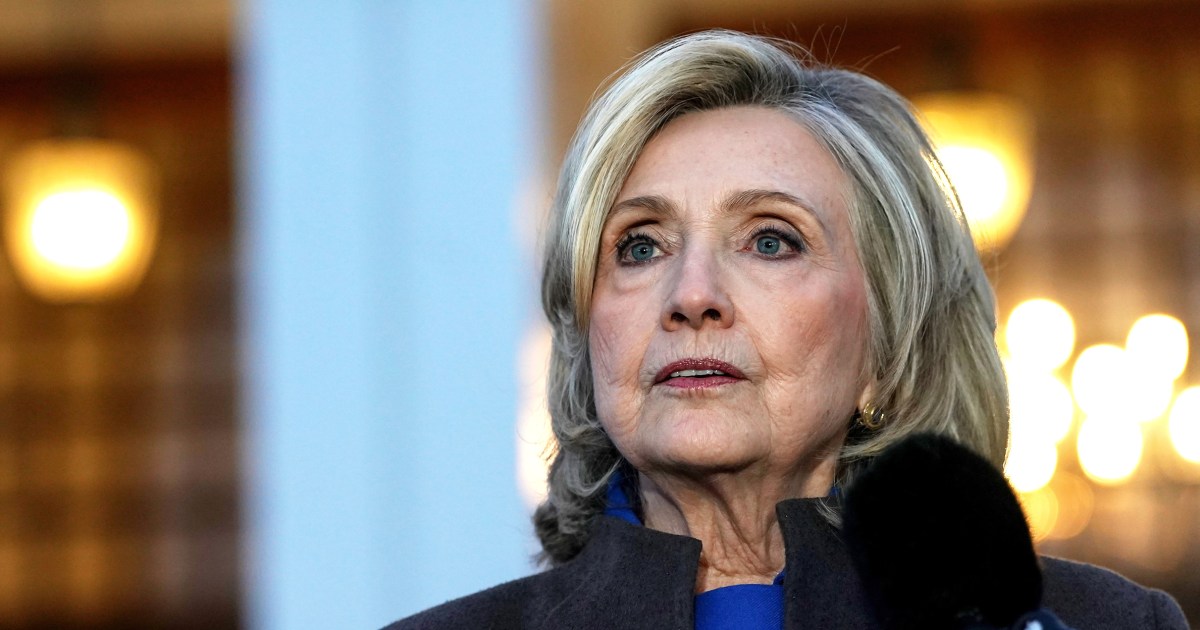
Hillary Clinton’s six-hour closed-door testimony utilized a strategy of categorical denial to establish clear evidentiary boundaries. By explicitly disclaiming visits to Epstein’s island, offices, or use of his aircraft, she decoupled her public record from the investigation’s primary focal points. Characterizing Maxwell as a casual acquaintance further minimizes social proximity, framing the probe as a redundant exercise in confirming established facts.
The introduction of tangential topics, such as fringe conspiracy theories, during the final stages of testimony suggests a potential dilution of procedural rigor. This allows the Clinton camp to characterize the investigation as politically motivated, potentially neutralizing the impact of the committee’s eventual report.
The 2026 Political Landscape and Oversight Dynamics
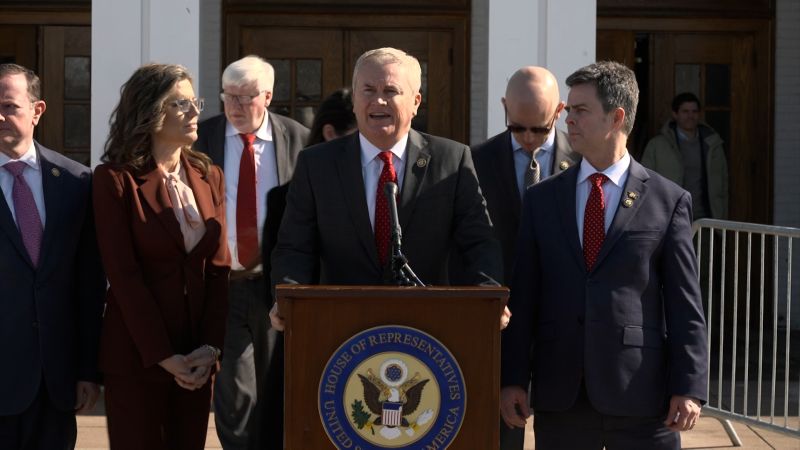
Occurring within the 2026 midterm cycle, these depositions are situated in a high-stakes partisan environment. Chairman James Comer’s description of the testimony as productive signals a sustained institutional commitment despite Democratic opposition. Within the broader ecosystem, where MAGA influence in Pennsylvania and Wisconsin remains a critical variable, the Epstein probe serves as a mechanism for institutional leverage regarding executive accountability.
This investigation mirrors wider trends of increased scrutiny on private power, similar to the oversight seen in Anthropic’s negotiations with the Pentagon. It reflects a structural shift toward re-evaluating the boundaries of influence in modern governance.
Evidentiary Thresholds and the Temporal Defense
The central defense utilizes a ‘temporal buffer,’ emphasizing that associations ceased decades before Epstein’s criminal activities were fully realized. This principle argues that historical social ties cannot be retroactively judged by subsequent revelations without proof of contemporaneous knowledge. As DOJ files currently lack a ‘smoking gun’ regarding direct misconduct or awareness, the committee must rely on circumstantial patterns and aide testimony to build a case for institutional negligence.
Conclusion: Institutional Consequences and Precedents
The outcome of these proceedings will likely establish a precedent for investigating the private networks of former heads of state. The focus on the Clinton Foundation may catalyze increased regulatory scrutiny of post-presidential nonprofits and donor vetting. Furthermore, the reliance on high-level aides like Doug Band highlights a need for clearer ethical guidelines where private wealth and public service intersect. The ability of the House Oversight Committee to synthesize substantive findings will determine its long-term credibility in an era of fragmented institutional trust.