International Officiating for Key Saudi Fixture
The Saudi Arabian Football Federation’s Referees Committee has appointed an Austrian officiating team, led by Sebastian Gishamer, to manage the upcoming Riyadh derby between Al-Hilal and Al-Shabab. This decision signifies the league’s continued reliance on international expertise for high-profile matches within the Roshn Professional League, reflecting a trend towards globalizing operational standards.
The selection of an Austrian crew, including assistant referees Santino Schreiner and Alexander Borutski, along with video officials Alan Kias and Walter Altman, underscores the league’s commitment to perceived neutrality and officiating quality in crucial encounters. Mohammed Al-Ghamdi will serve as the fourth official.
Strategic Positioning and Performance Disparities
This derby occurs with Al-Hilal firmly in third place in the league standings with 54 points, indicative of a strong season. Conversely, Al-Shabab occupies a more challenging 12th position with 25 points, highlighting a significant performance gap between the two Riyadh clubs.
The substantial point differential suggests a divergence in strategic execution and squad performance throughout the current league campaign. This disparity creates a clear narrative: Al-Hilal as the dominant force, and Al-Shabab aiming to defy expectations.
Betting Market Dynamics and Performance Indicators
Market sentiment, reflected in betting odds, heavily favors Al-Hilal, with an away win priced at 1.35, supporting their unbeaten run and superior league standing. The prediction of ‘Both Teams to Score: Yes’ at 1.75 suggests an expectation of offensive engagement from both sides, despite Al-Shabab’s lower league position.
This betting outlook suggests that while Al-Hilal is favored, the market anticipates Al-Shabab’s offensive capability, often informed by historical head-to-head statistics and current team form beyond league position.
Internal Team Dynamics and Coaching Strategy
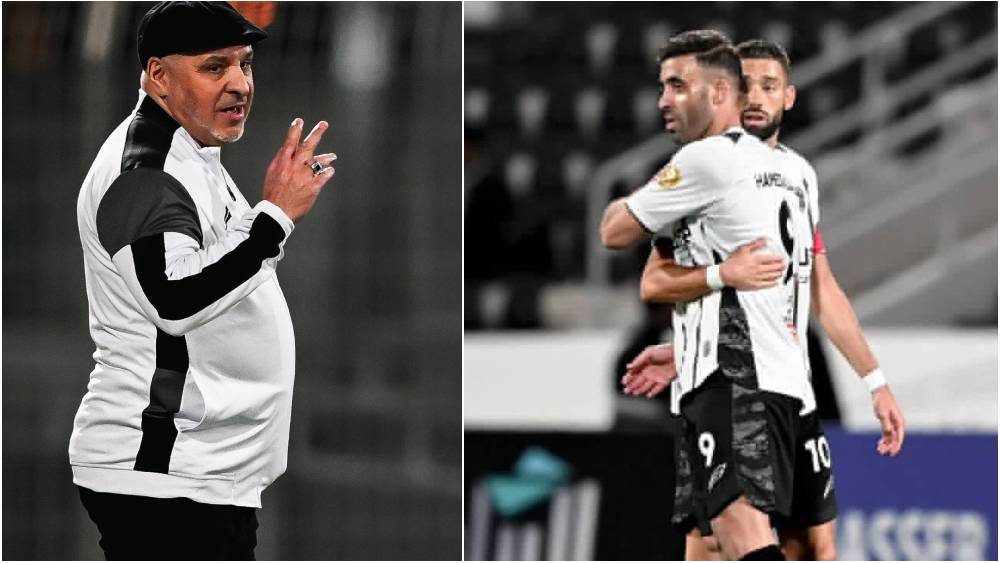
Al-Shabab’s coach, Noureddine Ben Zekri, has publicly addressed and dispelled rumors of a rift between key players Abderrazak Hamdallah and Yannick Carrasco regarding penalty-taking duties. This intervention emphasizes the team’s focus on cohesion and performance, aiming to mitigate distractions before significant fixtures.
Ben Zekri’s emphasis on correcting ‘technical matters’ and directing media focus towards on-pitch improvements signals a strategic imperative to maintain concentration. This coaching stance suggests a recognition that internal harmony is critical for Al-Shabab to challenge stronger opponents like Al-Hilal.
Competitive Landscape and League Development
The appointment of European referees and significant investment in player talent across the Saudi Pro League underscore a strategic push for international recognition and competitive elevation. This derby, officiated by an Austrian crew, exemplifies the league’s broader ambition to enhance its global profile and operational integrity.
The league’s development trajectory, marked by high-profile fixtures and growing international participation, aims to attract greater viewership and investment. The performance contrast between Al-Hilal and Al-Shabab also offers narrative potential, showcasing established dominance and the possibility of upsets that drive fan engagement.
Stakeholder Implications and Market Value
For Al-Hilal, a strong performance would reinforce their status as a top-tier club, potentially increasing their brand value and sponsor attractiveness. For Al-Shabab, the challenge lies in leveraging high-stakes matches to demonstrate resilience and upward mobility, thereby maintaining stakeholder confidence.
The presence of international referees and players contributes to the overall market value of the Saudi Pro League, influencing broadcast rights, sponsorship deals, and player transfer markets. The narrative surrounding this derby collectively shapes the league’s perception and economic potential.
Operational Context of Officiating Appointments
Appointing an Austrian refereeing team for the Al-Hilal vs. Al-Shabab match is an operational choice rooted in the pursuit of impartiality and adherence to international standards. Such appointments are typically made through established confederation channels or direct agreements, aiming to eliminate any perception of local bias in critical matches.
This practice is common in leagues undergoing significant growth and seeking to establish global credibility. The logistical and financial arrangements for international officials represent a direct investment in the perceived integrity of the competition.
Strategic Imperatives for Al-Shabab
Al-Shabab’s current league position necessitates a strategic re-evaluation of their season. Matches against top-tier clubs like Al-Hilal serve as crucial benchmarks. Coach Ben Zekri’s focus on internal stability and technical improvement suggests a strategic pivot towards optimizing existing resources and player performance.
The club’s ability to navigate internal player dynamics, as demonstrated by the denial of conflict between Carrasco and Hamdallah, is a strategic imperative. Successfully managing these relationships is vital for maximizing squad potential and achieving better results, influencing their standing and future recruitment strategies.
Al-Hilal’s Unbeaten Run and Competitive Leverage
Al-Hilal’s undefeated status provides significant competitive leverage, influencing both their league position and the psychological dynamic of their opponents. This sustained performance suggests a robust operational framework, from player development to tactical execution.
The club’s consistent success translates into tangible benefits, including enhanced brand reputation, increased fan engagement, and a stronger negotiating position in commercial partnerships. This unbeaten streak is a key performance indicator underpinning their strategic advantage.
The Role of Media and Public Perception
The media’s role in framing narratives around such high-profile derbies is crucial, influencing public perception and stakeholder expectations. Coach Ben Zekri’s plea for journalists to focus on the pitch highlights the tension between sensationalism and substantive reporting.
Coverage of refereeing appointments, player rumors, and team performance contributes to the overall brand building of the Saudi Pro League. Insightful reporting can elevate the league’s stature, while excessive focus on controversy can detract from its competitive merits.
Future Implications for Saudi Football Governance
The increasing reliance on international officiating and the league’s ambitious growth strategy point towards a long-term vision for Saudi football governance. This approach aims to align domestic standards with global best practices, fostering a more competitive and attractive footballing environment.
The success of these initiatives will be measured by the league’s ability to sustain investment, attract top talent, and maintain a reputation for fair play and high-quality competition. The dynamics of this Riyadh derby offer insight into the evolving landscape of professional football governance in the region.