
The Structural Shift: 48 Teams and the Round of 32
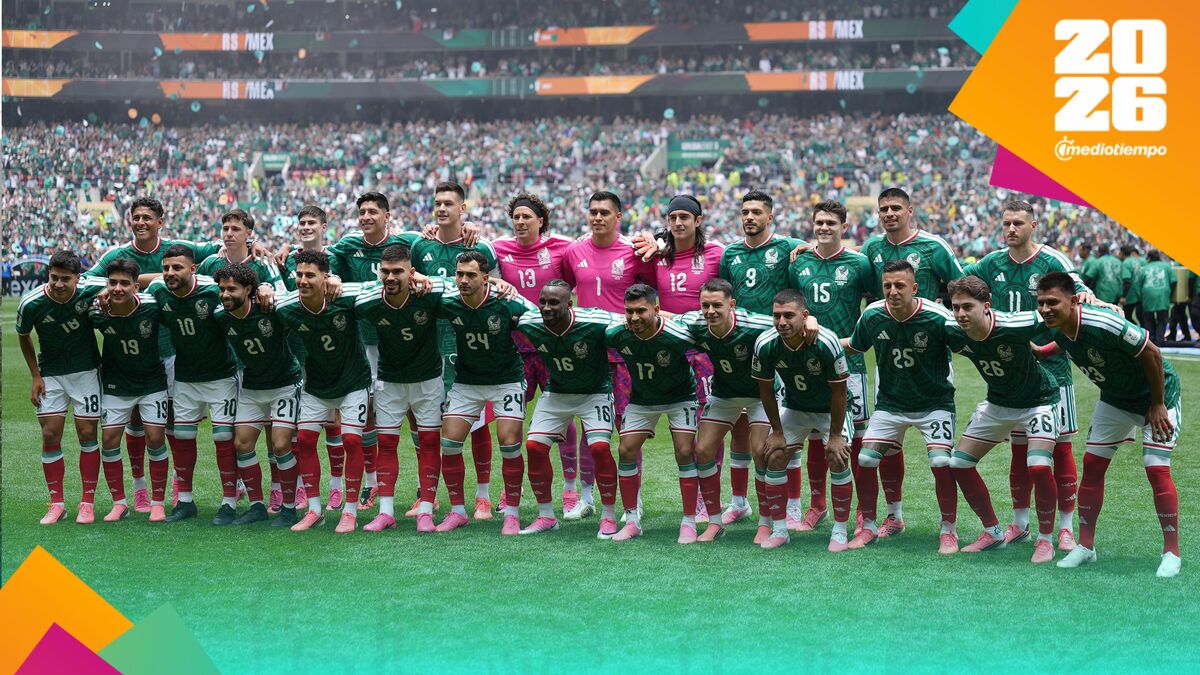
Mexico’s flawless group stage performance secures their entry into the newly expanded Round of 32, a phase defined by structural complexities inherent in the 48-team format. The 2026 tournament architecture—comprising 12 groups of four—mandates that while the top two finishers advance automatically, a secondary tier of the eight best third-place teams will fill the remaining knockout slots. For Mexico, this expansion transforms the knockout draw from a predictable seeding model into a multi-variable matrix governed by performance indices across the entire field.
The Hierarchy of FIFA’s Tie-Breaker Regulations
To standardize meritocracy across 12 disparate groups, FIFA has established a rigid tie-breaker hierarchy for the ‘Table of Thirds.’ Total points remain the primary metric, followed by Goal Difference (GD) and Goals Scored (GS). These secondary filters prioritize offensive efficiency and defensive discipline, turning marginal statistical differences into tournament-defining variables. If teams remain level, Fair Play points—calculated based on yellow and red card accumulations—serve as the decisive arbiter, placing a tactical premium on squad discipline and reducing the feasibility of aggressive, high-foul strategies.
The final institutional anchor is the FIFA World Ranking published on June 11. This fixed data point provides a structural advantage to historically consistent programs, ensuring that if all on-field performance metrics are exhausted, bracket placement is determined by long-term institutional standing rather than the volatility of a single group stage cycle.
Match Pairing Logic vs. Traditional Seeding
A critical departure in the 2026 format is the abandonment of the ‘best-versus-worst’ seeding for knockout pairings. Instead, FIFA utilizes a pre-determined match number system based on group origin. This model prioritizes logistical predictability and bracket integrity over meritocratic alignment. Consequently, a first-place finish does not guarantee a statistically weaker opponent; Mexico could face elite European or South American sides that finished third in high-density groups, such as potential rivals Spain or Ecuador.
Tactical and Logistical Scouting Implications
The current landscape identifies Ecuador, Scotland, Cape Verde, and Spain as prospective opponents. This diversity of profiles—ranging from Spain’s high-possession technical model to the physical transitions of Scotland—requires Mexico’s technical staff to maintain exhaustive, real-time dossiers. The operational burden is compounded by the ‘patience’ required to wait for final group results; the identity of the opponent may remain unknown until the final whistle of the group stage, necessitating a highly flexible training and scouting infrastructure.
Institutional Stakes for the FMF
For the Mexican Football Federation (FMF), the transition to the Round of 32 is the threshold between a commercially successful campaign and a perceived sporting failure. The expanded format increases the volume of high-pressure matches, offering greater global exposure but also heightening the risk of an early exit against high-caliber third-place teams. Navigating this matrix requires more than on-field performance; it demands a sophisticated understanding of FIFA’s administrative regulations to optimize the path toward a deep tournament run.
Photo by mediosaudiovisuales on Pixabay.