Saturday Night Live UK: Strategic Positioning in a Fragmented Market
The debut of Saturday Night Live UK on Sky One represents a significant strategic maneuver to adapt a long-standing American cultural institution for a British audience. The initiative was met with considerable skepticism regarding the trans-Atlantic translation of a format deeply rooted in American political and social satire. By opting to license a proven intellectual property (IP) with a 50-year history, rather than developing an entirely new property, Sky undertook a calculated risk: leveraging brand familiarity to attract audiences while simultaneously localizing content to resonate with UK-specific humor. The show’s inaugural episode successfully navigated this challenge, receiving generally positive critical feedback and establishing a foundation for future development.
Talent Strategy and IP Development
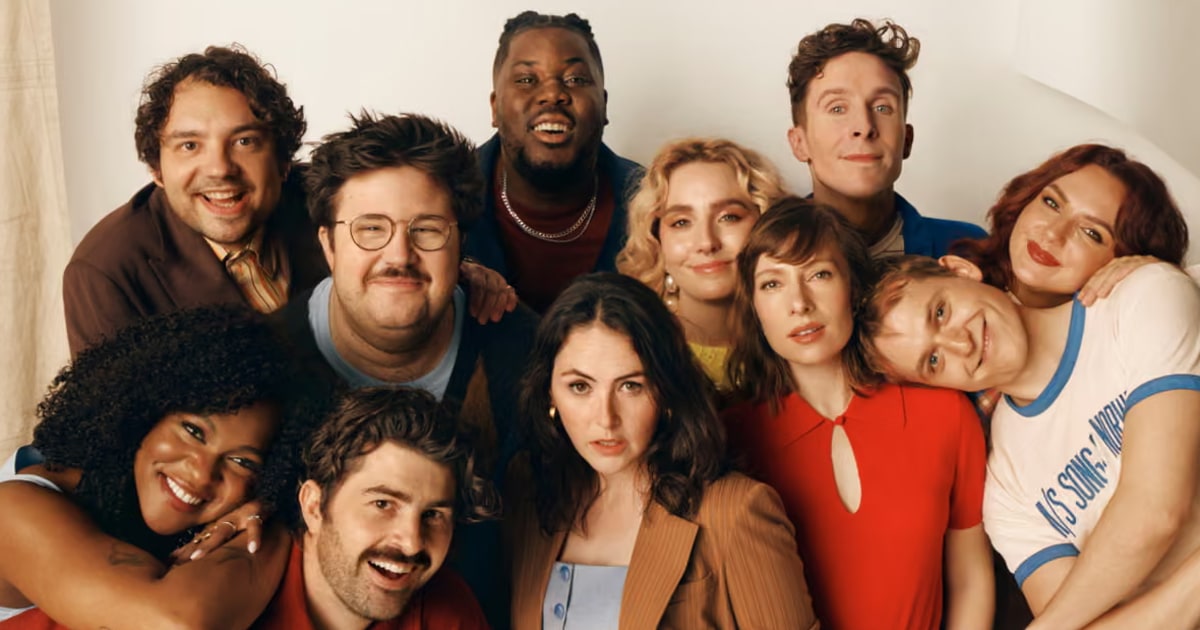
A central strategic decision in the production of SNL UK was the selection of its cast and writing team. The show deliberately prioritized up-and-coming talent over established names, a choice that mirrors the original American version’s function as a launchpad for new performers. This approach serves a dual business purpose: minimizing immediate talent costs while maximizing the potential for long-term IP development. By nurturing new stars under the SNL brand, Sky positions itself to cultivate future comedic assets.
The talent acquisition process was extensive, with 11 actors and a 20-strong writing team selected from over 1,200 applicants. This high volume suggests a significant pre-existing demand for a platform like SNL UK within the British comedy ecosystem, allowing Sky to centralize the development of emerging talent and reduce long-term reliance on more expensive, established stars.
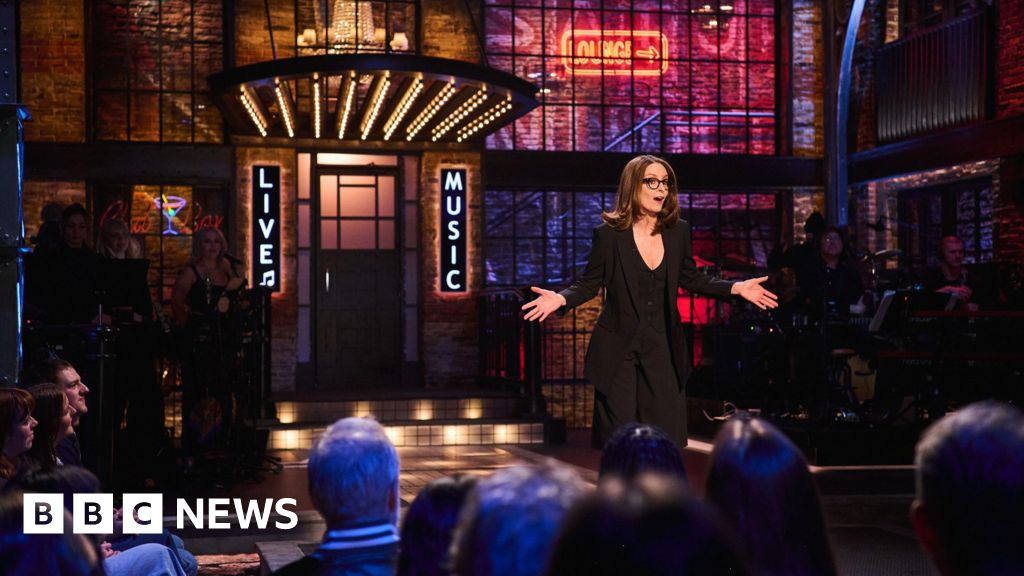
The selection of Tina Fey, a veteran of the US SNL, as guest host for the debut episode further reinforced this strategy. Fey’s presence provided immediate brand recognition and credibility, assuaging initial skepticism by linking the new show directly to the original’s legacy. Her involvement served as a strategic bridge between the US format and the UK audience, guiding viewers through the familiar structure and validating the local adaptation.
Cultural Translation and Content Localization
The success of the debut hinged on its ability to effectively localize content while maintaining the core structure of the US format. The cold open immediately grounded the show in contemporary British politics with an impression of Prime Minister Keir Starmer. Subsequent sketches referenced specific UK cultural touchstones, such as Paddington and Sir David Attenborough, demonstrating a commitment to cultural translation.
The show’s Weekend Update segment, a staple of the US version, received specific praise for its successful adaptation, noted for delivering “proper jokes for grown-ups.” This suggests the writers successfully translated the satirical news format to address UK current affairs with sufficient depth and relevance. The challenge for the production team remains to maintain this balance between format fidelity and local relevance in subsequent episodes, ensuring the humor resonates broadly across different UK demographics.
The production also acknowledged the inherent challenge of translating humor across cultures. Guest star Nicola Coughlan referenced the British tendency to “root for the failure of others,” a self-aware commentary that highlighted the high bar for success in a market often critical of imported formats. The critical reception, which described the show as “shockingly competent” and noted that it “did work,” indicates that the production successfully exceeded these low initial expectations.
Competitive Implications and Market Positioning
The introduction of SNL UK impacts the competitive landscape by offering Sky One a unique value proposition against free-to-air broadcasters like the BBC and Channel 4, as well as global streaming services. By investing in a high-profile, live-broadcast format, Sky aims to create a destination viewing experience that encourages audience retention and subscription growth. Live comedy, in particular, generates immediate social media engagement and cultural conversation, differentiating itself from the on-demand content that dominates the market.
The operational decision to adhere closely to the US format, including the 75-minute runtime, signals a strategic commitment to replicating the US model’s structure. The critical observation that the team needs to “build up a rhythm” underscores the long-term nature of this investment. The success of SNL UK will ultimately be measured not by its initial critical reception, but by its ability to establish itself as a consistent cultural touchstone over multiple seasons, similar to its US counterpart.
The involvement of Lorne Michaels, who oversees the original US version, implies a specific quality control and brand management structure. This oversight ensures the UK adaptation maintains the core identity of the SNL brand, protecting the value of the intellectual property and ensuring long-term operational consistency rather than a one-off licensing deal.
Risk Mitigation and Future Outlook
For Sky One, the successful debut mitigates initial financial and reputational risk associated with adapting a high-profile US format. The positive critical reception provides leverage for future marketing efforts and talent acquisition, supporting a long-term strategy centered on cultivating a new generation of performers and writers. This approach potentially creates new revenue streams through future spin-offs or related content.
The stakeholders involved—including the cast, writers, and production team—are now exposed to new scrutiny and opportunity. The show’s ability to evolve beyond a mere adaptation and establish its own unique identity within the UK media landscape will determine its long-term viability and impact on the careers of those involved. The initial positive reception suggests that the strategic decisions regarding talent, content localization, and format fidelity have successfully laid the groundwork for this evolution.