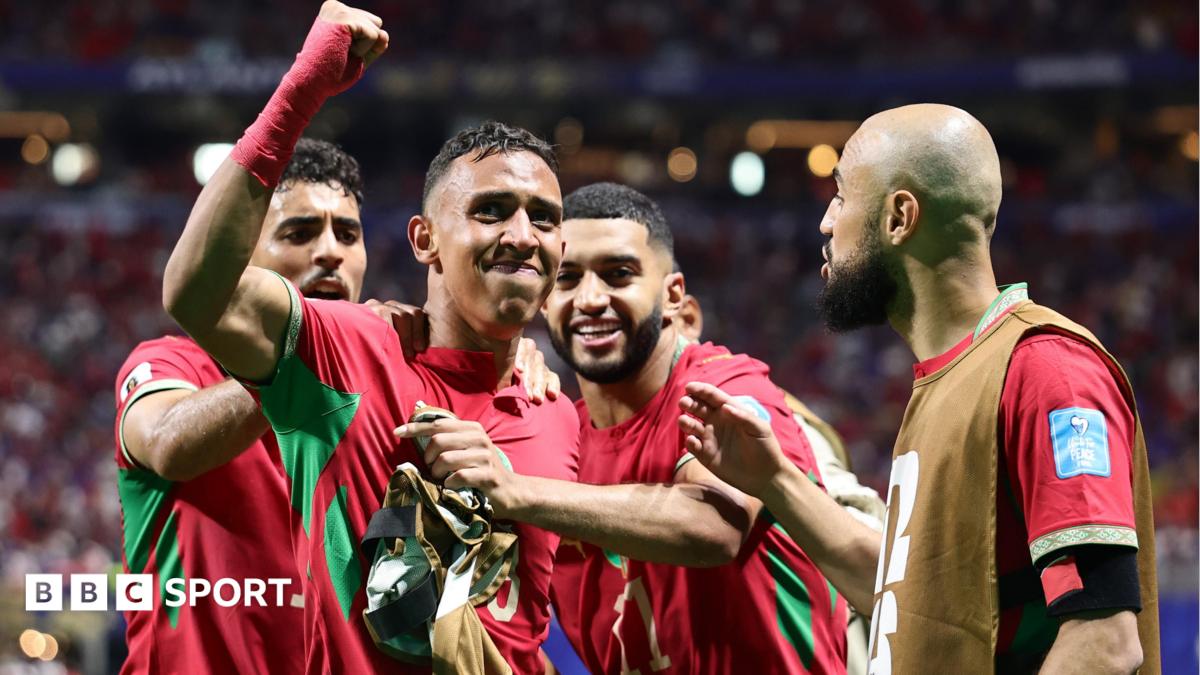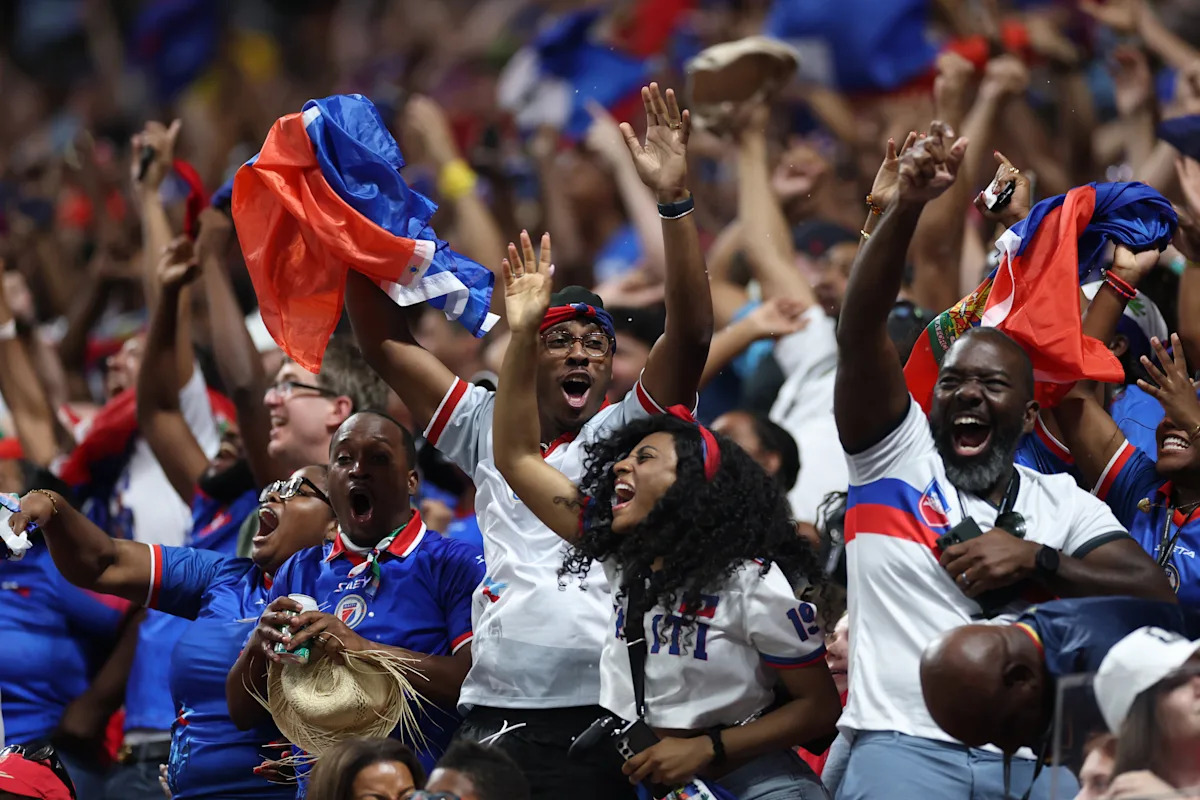
Morocco’s 4-2 victory over Haiti at the Mercedes-Benz Stadium serves as a critical case study in the structural volatility inherent in the expanded 48-team FIFA World Cup. While the final score suggests a predictable outcome for the 2022 semi-finalists, the match dynamics exposed significant defensive lapses within the Moroccan setup, specifically regarding transition defense against high-intensity counter-attacks from a lower-ranked opponent.
Tactical Analysis: Defensive Fragility vs. Bench Depth
Morocco’s progression to the Round of 32 was less a product of sustained dominance and more a result of individual brilliance and superior physical conditioning. Despite the technical prowess of Achraf Hakimi and Ismael Saibari, the Moroccan collective struggled to maintain a cohesive low-block, allowing Haiti to exploit wide channels during turnover transitions. The late-game surge, punctuated by goals from Soufiane Rahimi and Gessime Yassine, underscored Morocco’s reliance on bench depth to overcome the tactical attrition of a resilient, organized underdog.
Strategically, finishing second in Group C behind Brazil introduces a rigorous knockout trajectory. The defensive inconsistencies displayed in Atlanta suggest that Morocco’s technical staff must recalibrate their mid-block pressing triggers before facing elite European or Asian opposition. The inability to neutralize a 87th-ranked side for over an hour points to a lack of clinical discipline that could prove catastrophic in single-elimination scenarios.
The Institutional Significance of Haiti’s Campaign
Haiti’s exit from the tournament is an operational triumph that defies standard sports governance logic. Fielding a competitive squad amidst domestic political instability and administrative hurdles—including a controversial uniform ban—represents a peak in CONCACAF’s institutional resilience. The technical milestone of Haiti’s first World Cup goal in 52 years, officially recorded as an own goal by Yassine Bounou following Lenny Joseph’s strike, validated a sophisticated tactical blueprint designed to minimize the disparity in capital and infrastructure.
The match also highlighted the narrowing performance gap between the tournament’s floor and its mid-tier. Haiti’s ability to lead twice against a world-class side provides empirical support for the 48-team expansion, demonstrating that lower-ranked nations can generate high-value sporting drama. This performance provides a psychological breakthrough for the Haitian footballing infrastructure, offering a rare platform for international engagement decoupled from humanitarian narratives.
Group C Structural Outcomes and Projections
With Brazil’s victory over Scotland finalizing the standings, Morocco enters the knockout phase needing to rediscover the defensive solidity that defined their 2022 Qatari run. The integration of Gessime Yassine into the scoring sheet offers a positive indicator of squad evolution, yet the absolute reliance on veteran leadership remains a potential bottleneck. For Haiti, the challenge shifts to capitalizing on this momentum to ensure that another five-decade hiatus does not occur, leveraging their competitive dignity to attract institutional investment.