2026 FIFA World Cup Group Stage Concludes: Strategic Analysis & Emerging Impacts
The 2026 FIFA World Cup group stage has concluded its second round, with 48 matches completed and 56 remaining in the expanded 48-team format. This midpoint offers critical insights into competitive trajectories, operational demands, and the immediate implications for participating nations.
Seven national teams—Argentina, Colombia, France, Germany, Mexico, Norway, and the United States—have secured early qualification for the knockout stages, demonstrating tactical efficacy and strong squad depth. Conversely, five nations—Haiti, Jordan, Panama, Tunisia, and Turkey—have faced early elimination, underscoring the intense competitive pressures and the significant consequences of underperformance in a global tournament.
Impact of Tournament Expansion: Operational & Financial Dynamics
The transition to a 48-team format profoundly impacts the tournament’s operational and financial landscape. Logistically, managing an increased volume of matches, teams, and fan movements across multiple venues necessitates unprecedented infrastructure investment and sophisticated planning from host nations and FIFA. This expanded scale drives higher operational costs but concurrently unlocks substantial revenue streams for FIFA through augmented media rights, lucrative sponsorship deals, and increased ticketing opportunities. These heightened commercial gains translate directly into larger prize money pools, influencing the financial stability and long-term development strategies of national federations.
For host cities and nations, the extended tournament duration and surge in international visitors present a dual challenge: maximizing economic benefits from tourism and hospitality, while simultaneously ensuring robust public services, security, and sustainable event management for a prolonged period.
Competitive Landscape: Early Qualifiers, Eliminations, and the Narrowing Gap
Early qualification provides strategic advantages, allowing advanced teams to manage player fitness, rest key personnel, and fine-tune tactical approaches for the more demanding knockout rounds, thereby optimizing resource allocation. For eliminated teams, the immediate financial repercussions include the forfeiture of potential prize money, prompting urgent post-mortem analyses of player development pipelines, coaching strategies, and resource allocation within national federations. Such early exits can also significantly impact public perception and future funding.
The tournament’s “openness,” characterized by unexpected results and fewer outright dominant performances, suggests a narrowing competitive gap between established footballing powers and emerging nations. Instances like England’s draw against Ghana exemplify this trend, enhancing the tournament’s unpredictability and broadening its global appeal beyond traditional football strongholds.
Star Player Performance: Market Valuation & Narrative Influence
Individual player performances remain a dominant narrative, significantly influencing market valuation and media engagement. Lionel Messi (Argentina), at 39, defies conventional athletic decline, leading the Golden Boot race with five goals. His sustained elite output amplifies his commercial appeal, solidifies his legacy, and disproportionately impacts Argentina’s competitive outlook. Close behind, Kylian Mbappé (France) and Erling Haaland (Norway), each with four goals, represent the vanguard of a new generation of superstars. Their prolific scoring directly elevates their market valuations, strengthens their endorsement portfolios, and enhances the strategic visibility of their national teams.
These high-profile achievements not only captivate audiences but also fuel intense media scrutiny and fan engagement, translating into tangible commercial benefits for clubs, sponsors, and the players themselves. The Golden Boot competition adds a compelling sub-narrative, attracting a broader audience interested in individual athletic excellence.
Strategic Positioning and Power Rankings Dynamics
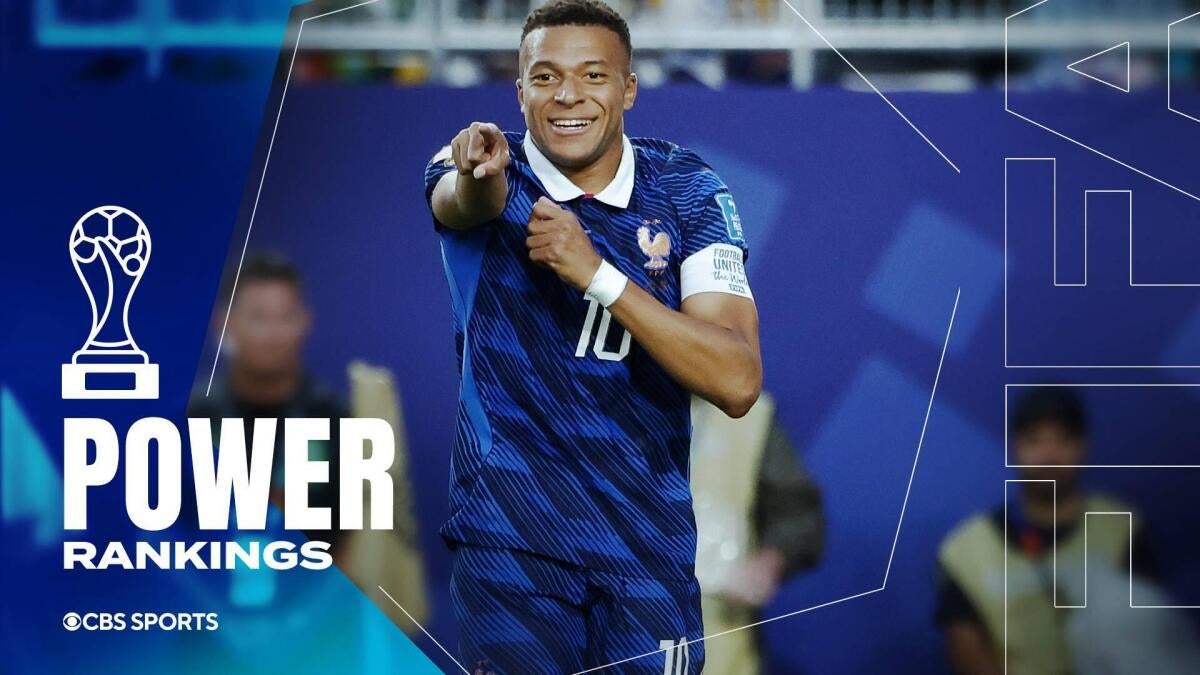
Power rankings, placing France and Argentina at the top, reflect consistent performance and perceived squad strength. France’s strong showing, particularly Mbappé’s form, suggests a team driven by redemption after their 2022 final defeat, indicating a deep strategic focus. Argentina’s top ranking is largely attributable to Messi’s masterclass, underscoring the outsized impact a generational talent can exert. These rankings heavily influence global betting markets, shape media narratives, and inform the tactical planning of opposing teams as the tournament progresses.
Dynamic shifts within these rankings, such as Algeria’s ascent and Turkey’s sharp decline, highlight the immediate impact of tournament results on national team perception. Such movements can influence future sponsorship agreements, international fixture scheduling, and national football development programs for years to come.
Media Engagement & Advanced Analytical Frameworks
Major sports media outlets, exemplified by The Athletic, critically shape public engagement and understanding through comprehensive, data-driven coverage. Their deployment of bracket and projection models empowers fans with sophisticated analytical tools to track team progression, anticipate knockout stage matchups, and comprehend the strategic implications of match outcomes beyond mere scores.
This analytical depth moves beyond simple reporting, offering expert insights into team strategies, intricate player statistics, and potential competitive pathways. Such content not only informs a more engaged and knowledgeable fan base but also directly drives subscription models, digital traffic, and media organization revenue. Editorial commentary reflecting on “surprises” and offering “predictions” further enriches the discourse, providing context, identifying emerging trends, and sustaining narrative momentum throughout the month-long competition.
Institutional Impact & Evolving Global Football Trajectories
The early stages of the 2026 World Cup underscore significant institutional challenges and opportunities stemming from its expanded format. FIFA’s governance is tested by escalating logistical demands and the imperative to ensure equitable competition across a more diverse participant pool. National football federations, especially those of eliminated teams, face immediate strategic reviews concerning their investment in youth development, coaching infrastructure, and international competitive exposure, with tournament performance often dictating funding, political support, and public perception.
The commercial ecosystem, including major sponsors and broadcasters, meticulously monitors these competitive shifts and player narratives. Strong performances validate substantial investments, while unexpected exits or a lack of standout moments can prompt re-evaluation of marketing strategies and future commitments. This tournament also provides crucial data points on the evolving global football landscape, where increased participation from non-traditional nations fosters more diverse competitive challenges, with long-term implications for scouting networks, player development pathways, and the global distribution of talent.
As the tournament enters its decisive phase, the intricate interplay of individual brilliance, collective team strategy, and the overarching institutional framework will continue to define its unfolding narrative. The outcomes of the remaining group matches and subsequent knockout rounds will not only solidify legacies but also provide invaluable insights for the future evolution of international football.