Cristiano Ronaldo’s Historic Milestone: Reshaping World Cup 2026 Group Stage Narratives
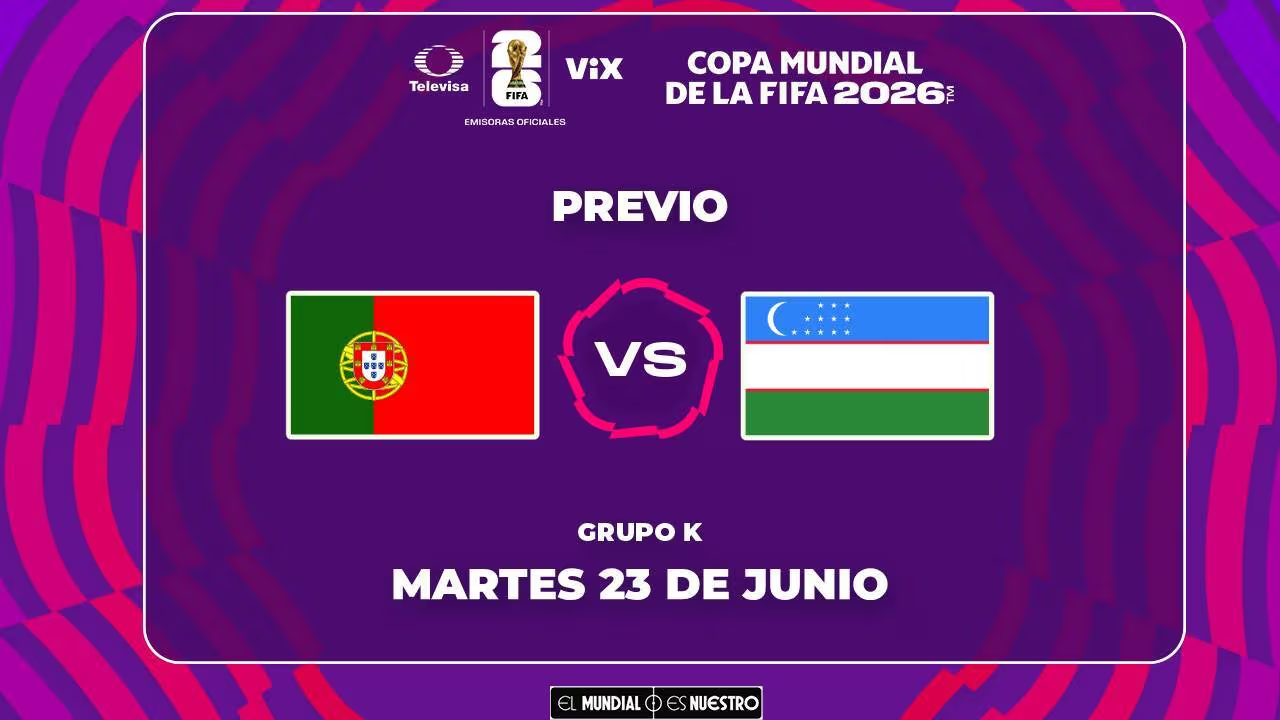
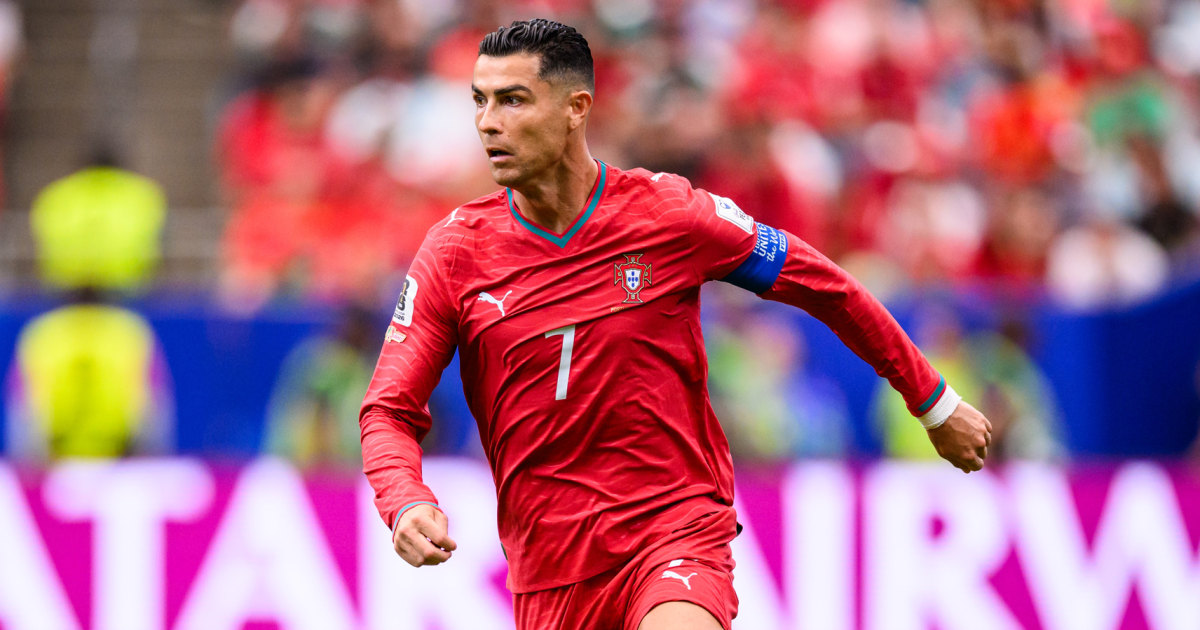
The 2026 FIFA World Cup marked a pivotal moment as Cristiano Ronaldo, at 41 years old, became the first player to score in six different editions of the tournament. His sixth-minute goal against Uzbekistan in Houston, Texas, not only opened Portugal’s account but immediately recalibrated the analytical discourse surrounding his performance following a subdued opening match.
This achievement represents unparalleled athletic longevity, demonstrating sustained elite performance at the pinnacle of international football across two decades. It underscores advancements in sports science, athlete management, and individual dedication, establishing a new benchmark for peak physical and mental endurance in global sport.
Strategic Imperatives & Competitive Dynamics of the Expanded Tournament
Portugal’s encounter with Uzbekistan, a debutant nation in the expanded 48-team World Cup, carried significant strategic weight. Following a surprising 1-1 draw against RD Congo, Portugal faced intensified pressure to secure a decisive victory and demonstrate tactical coherence, particularly in addressing prior inefficiencies in possession and attacking fluidity.
For Uzbekistan, entering the tournament as a newcomer and having lost their initial match 1-3 to Colombia, the fixture against a footballing powerhouse like Portugal served as a critical test of their defensive resilience and counter-attacking capabilities. Their imperative to secure points for Round of 16 qualification underscored the elevated stakes within the new format, necessitating a robust strategic approach focused on containment and opportunistic transitions. The expanded tournament inherently alters competitive dynamics, increasing the volume of high-stakes early-stage matches, as evidenced by teams like Panama and Croatia, both requiring wins to sustain their advancement hopes after initial defeats.
Conversely, teams like England and Ghana, having secured opening victories, experience a modulated immediate pressure, potentially enabling more expansive tactical deployments in subsequent group fixtures. This differential in competitive urgency profoundly shapes team strategies, influencing risk assessment, player rotation, and tactical adjustments in real-time. The unpredictable nature of early results, such as RD Congo’s draw against Portugal, highlights the increasing global competitiveness and the emergence of compelling underdog narratives that challenge established footballing hierarchies.
Economic Leverage & Athlete Branding in Modern Football
Cristiano Ronaldo’s sustained ability to perform at an elite level at 41 holds profound implications for athlete branding and the commercial ecosystem of global football. His record-breaking goal not only solidifies his legacy but significantly reinforces his marketability, attracting substantial viewership and sponsorship interest that transcends typical career timelines. This prolonged relevance at an advanced age challenges conventional notions of peak athletic performance and retirement, demonstrating the potential for iconic players to maintain high commercial value and influence for extended periods. The strategic management of such an athlete’s career, balancing performance demands with global brand obligations, becomes a critical operational consideration for national federations, clubs, and personal management teams.
The presence and performance of iconic players like Ronaldo directly translate into tangible economic benefits for the tournament and its stakeholders. Increased viewership, ticket sales, and merchandise revenue are amplified by the narratives surrounding these figures, especially when historic milestones are achieved. Host cities, such as Houston and Dallas in the United States, and Mexico City, benefit significantly from the global attention drawn by high-profile matches featuring such stars. This economic uplift extends to local tourism, hospitality, and infrastructure, underscoring the strategic importance of star power in maximizing the commercial returns and global appeal of major sporting events.
Broader Institutional Context & Future Trajectories
The 2026 World Cup, with its expanded participant pool and multi-national hosting across North America, represents a significant evolution in FIFA’s institutional framework. This expansion aims to enhance global participation and commercial reach but also introduces complex logistical and competitive challenges. Strategic decisions by national federations regarding team preparation, player selection, and tactical approaches are directly influenced by these structural changes. The pressure to perform, financial incentives of progression, and national prestige associated with World Cup participation create a high-stakes environment where every match outcome carries significant institutional weight.
The unfolding events of the group stage, including record-breaking performances and unexpected results, are meticulously chronicled by global media, shaping public perception and fan engagement. This continuous media cycle, driven by real-time updates and analytical commentary, amplifies the impact of each goal, save, or strategic decision. It transforms individual sporting events into broader cultural phenomena, influencing everything from national morale to global sports betting markets and sponsorship valuations.
Initial results and individual performances provide early indicators of potential future trajectories for participating nations. Teams demonstrating tactical flexibility and resilience, particularly after early setbacks, position themselves more favorably for deeper tournament runs. The competitive implications extend beyond immediate qualification, influencing national team rankings, future sponsorship deals, and the development pathways for emerging footballing nations. The strategic decisions made in these early stages resonate throughout the entire four-year cycle leading to the next World Cup, shaping investment in youth academies and national football programs. The logistical complexities of hosting a 48-team World Cup across multiple cities and countries demand extensive coordination in transportation, security, fan management, and venue preparation, highlighting the operational grandeur and strategic regional engagement central to FIFA’s global vision.