Operational Dynamics of the Bonneville Fire
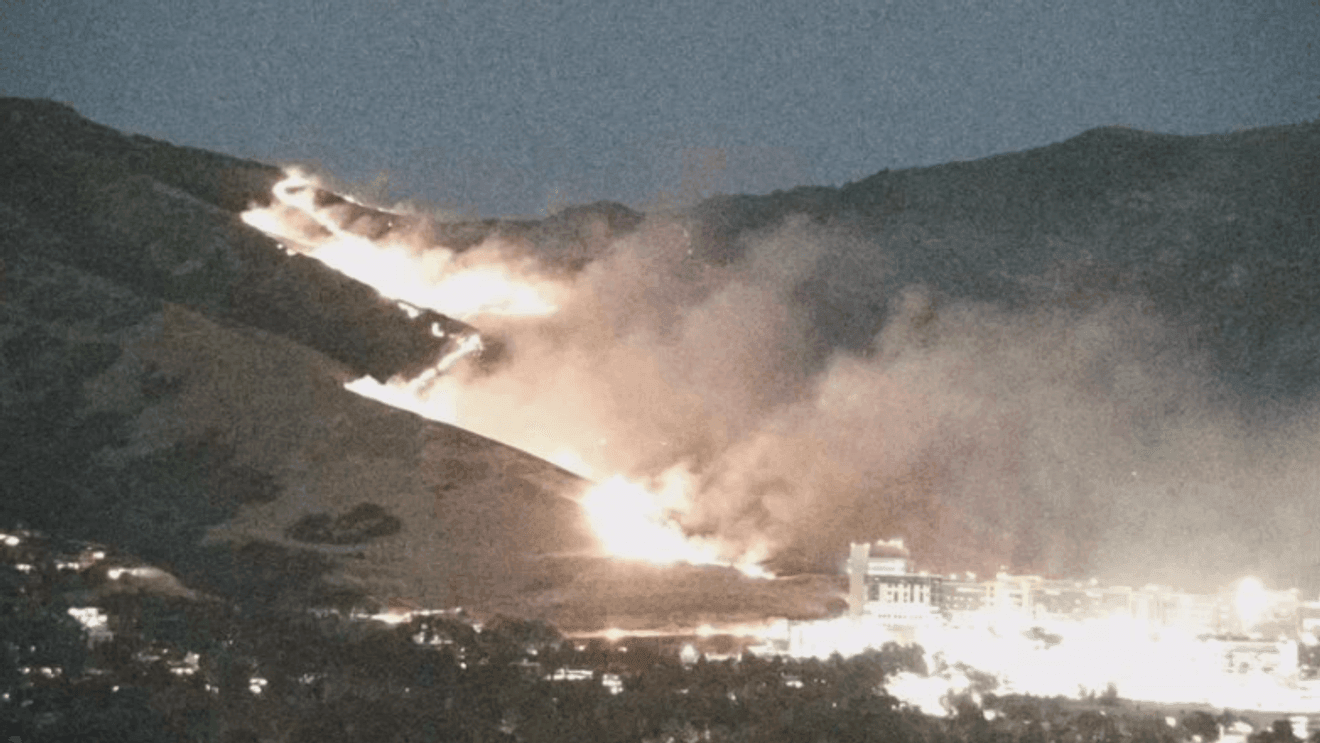
The Bonneville Fire, originating near Red Butte Canyon in Salt Lake City, presents a complex logistical challenge for municipal, state, and federal agencies. Escalating from an initial 50 acres to approximately 200 acres, the incident necessitated rapid multi-agency integration to establish containment lines and protect high-value assets at the University of Utah.
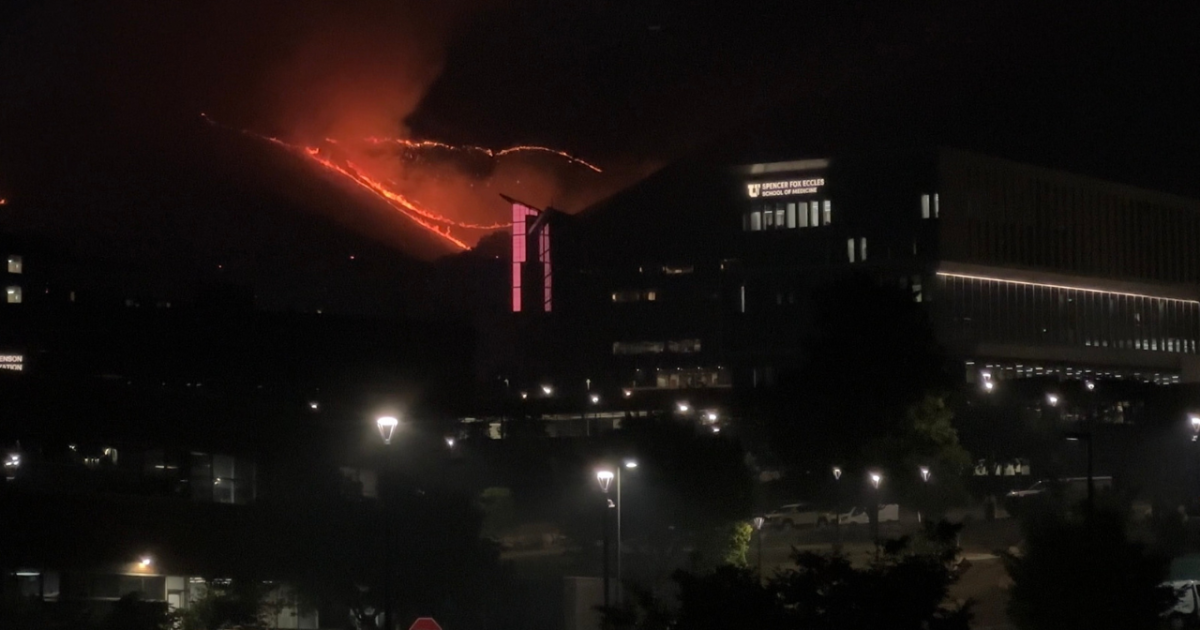
The strategic deployment of aerial and ground assets, including water-dropping helicopters, illustrates the necessity of aggressive suppression in wildland-urban interface (WUI) zones. These operations are critical to shielding the university’s medical research facilities and the adjacent Red Butte Garden from thermal exposure, where maintaining structural integrity is the primary operational objective for incident commanders.
Institutional Safety and Infrastructure Protection
The University of Utah’s decision to issue a shelter-in-place order serves as a vital administrative control to mitigate smoke inhalation and fire-related risks. By maintaining operational status for medical facilities while restricting access to public-facing areas—including the Natural History Museum and the arboretum—authorities effectively managed human traffic, ensuring clear transit corridors for emergency apparatus.
Strategic Coordination and Resource Allocation
Effective wildfire suppression in the WUI depends on the synthesis of jurisdictional cooperation and meteorological forecasting. The use of specialized air assets to reinforce the southern flank demonstrates a targeted approach to protecting critical infrastructure, such as the Emma Eccles Jones Medical Research Building. Furthermore, incident planning is highly sensitive to wind shifts, which dictate the deployment of ground crews and the establishment of containment barriers.
Regulatory and Public Safety Constraints
The enforcement of temporary flight restrictions (TFRs) remains a critical regulatory pillar; unauthorized drone activity necessitates the immediate grounding of aerial suppression assets, directly compromising fire containment efforts. Public adherence to evacuation protocols and the preservation of emergency access routes are essential for the safe, efficient movement of firefighting personnel.
Long-Term Implications for Urban-Wildland Management
The Bonneville Fire functions as a case study in the inherent vulnerabilities of institutions situated in high-risk zones. The incident highlights the necessity of robust, pre-established interagency communication protocols. As urban expansion continues into natural landscapes, the strategic integration of fire-resistant construction and proactive land management is imperative. The university’s ability to sustain core research functions during this crisis validates the importance of institutional preparedness and structural resilience in mitigating the impact of unpredictable environmental hazards.