Orioles Confront Formidable Dodgers Amidst Persistent Struggles
The Baltimore Orioles are set to begin a three-game series against the Los Angeles Dodgers, a matchup that starkly highlights Baltimore’s season-long performance deficiencies, particularly against winning opposition and on the road. The on-paper assessment heavily favors the Dodgers, who boast the best record in Major League Baseball, signaling a challenging series for an Orioles team struggling to secure consistent victories.
Baltimore’s inability to achieve sustained winning streaks, mirroring the struggles of the 2021 Orioles (52-110), underscores fundamental operational vulnerabilities. This lack of consistent performance suggests underlying issues in team cohesion, strategic execution, or player development, hindering their ability to capitalize on opportunities and build momentum against elite competition.
The series opener presents an immediate hurdle. The Orioles face the prospect of another difficult outing following a recent disappointing loss. The team’s imperative to ‘flush the defeat’ and ‘get back on the right track’ is magnified by the caliber of the opponent and the historical context of their recent encounters, where improbable comebacks were necessary for even temporary success.
Roster Instability Exacerbates Performance Gaps
The Orioles’ challenges are further compounded by significant roster adjustments, most notably catcher Adley Rutschman’s placement on the seven-day concussion injured list. This absence creates a critical void in an offense already struggling for consistency, forcing reliance on less experienced players to fill a key offensive and defensive role.
The call-up of Michael Siani, an outfielder with limited MLB experience but a proven track record in stolen bases, signals a strategic pivot towards speed and athleticism. However, his inclusion, alongside the shift in catching duties to Samuel Basallo and Sam Huff, introduces operational uncertainty as these players adapt to expanded roles against a top-tier opponent.
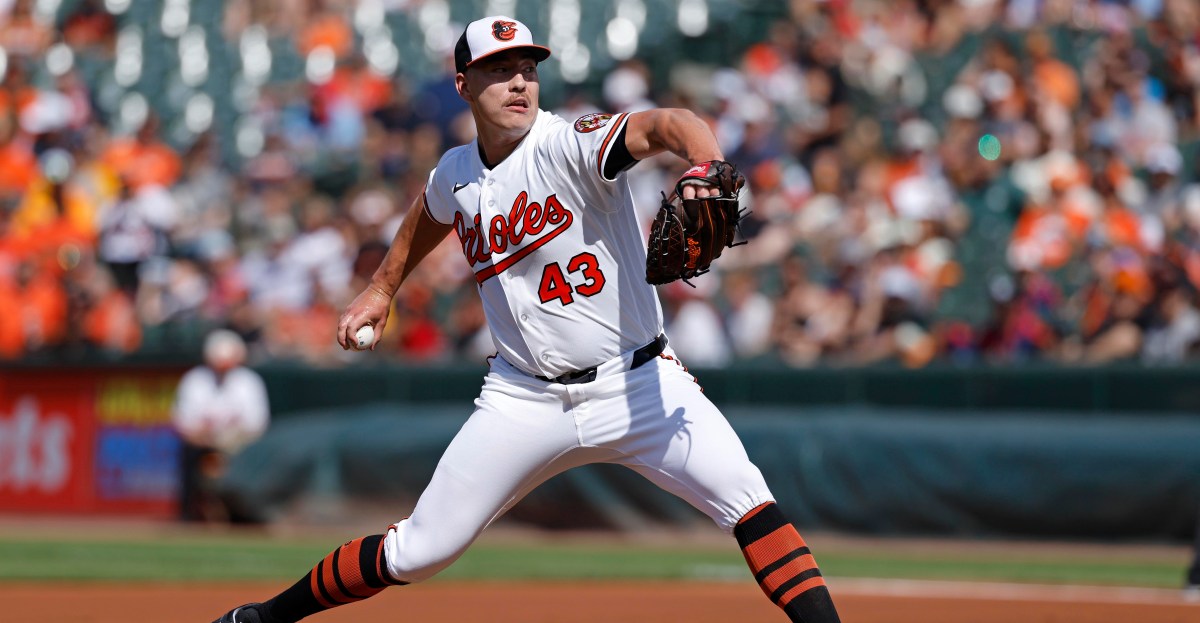
The performance of Trevor Rogers, the Orioles’ projected starter, becomes a focal point given his recent struggles and the Dodgers’ potent offensive lineup. His 1-7 record over his last 10 starts and 6.70 ERA indicate a significant vulnerability that the Dodgers, who lead the majors in multiple offensive categories, are positioned to exploit, potentially leading to a rapid scoring deficit.
Dodgers’ Dominance and Strategic Advantages
The Los Angeles Dodgers enter the series in formidable form, seeking their fifth consecutive win and showcasing the strategic depth and operational efficiency of a championship-caliber team. Their consistent performance, particularly at home, establishes a significant psychological and competitive advantage over the visiting Orioles.
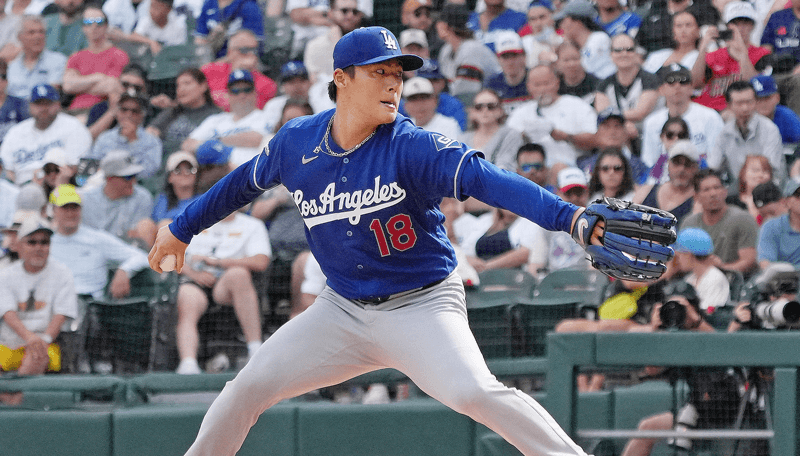
The decision to start Yoshinobu Yamamoto, the Dodgers’ ace, in the second game of the series is a clear strategic maneuver designed to maximize their chances of securing a victory against a struggling opponent. Yamamoto’s recent statistical dominance, including a low ERA and a high strikeout-to-walk ratio, presents a daunting challenge for any offense, particularly one characterized by inconsistency.
The Dodgers’ collective offensive statistics, including a .308 batting average against Orioles starter Trevor Rogers in a limited sample, highlight their ability to prepare for and exploit opposing pitchers’ weaknesses. This offensive prowess, combined with their strong pitching staff, creates multifaceted pressure points for the Orioles, impacting their ability to control game tempo and secure wins.
Market Implications and Competitive Landscape
The betting markets reflect the perceived disparity between the two clubs, with the Dodgers installed as significant home favorites, a position reinforced by Yamamoto’s pitching assignment. This market sentiment underscores the prevailing view of the Dodgers’ dominance and the Orioles’ underlying weaknesses.
The projected over/under of 8.5 runs for the series opener suggests an expectation of a high-scoring affair, a proposition complicated by Yamamoto’s presence but potentially driven by the Orioles’ pitching staff’s propensity to allow runs. This dynamic creates a complex betting landscape where offensive output from the Dodgers is anticipated, while the Orioles’ offensive capabilities remain a significant question mark.
The strategic decisions surrounding player acquisitions, roster management, and pitching rotations for both teams reveal differing competitive philosophies and financial capacities. The Dodgers’ investment in elite talent like Yamamoto and their consistent offensive production exemplify a long-term strategy focused on sustained dominance. Conversely, the Orioles’ reliance on developing talent and navigating injuries highlights the inherent challenges of competing at the highest level with fewer resources.
Systemic Vulnerabilities and Future Outlook
The Orioles’ recurring struggles against winning teams and their inability to maintain winning streaks point to systemic vulnerabilities extending beyond individual game performances. These issues may be rooted in organizational philosophy, player development pipelines, or the capacity to attract and retain top-tier talent—all critical for long-term competitive viability in Major League Baseball.
The Dodgers’ sustained success, conversely, demonstrates the benefits of a robust organizational structure, significant capital investment, and effective player management. Their consistent ability to field a championship-contending team, even amidst roster changes and baseball’s inherent unpredictability, provides a benchmark for operational excellence within the league.
The upcoming series, therefore, represents more than just a set of games; it is a microcosm of competitive disparities within MLB, illustrating the impact of strategic decision-making, roster depth, and sustained performance on a team’s trajectory. For the Orioles, the challenge is not only to win games but to demonstrate a capacity for growth and resilience that can alter their season’s narrative and address the fundamental issues that have plagued them.