Analytical Inflection: The Second Round Qualification Nexus
The 2026 FIFA World Cup has reached a critical structural juncture. As the tournament moves into the second round of group stage fixtures, the initial exploratory phase concludes, replaced by a high-stakes competitive landscape where tactical variance directly dictates qualification viability. For national federations, this stage represents more than just sporting progression; it is a vital window for protecting institutional investments and maintaining national footballing prestige.
The current competitive bottleneck forces a shift from conservative game-planning to results-oriented aggression. For squads that underperformed in their opening matches, the risk of systemic failure—early elimination—mandates immediate adjustments to roster management and formation hierarchies. This transition defines the tournament’s psychological and physical intensity, separating elite adaptability from rigid tactical paradigms.
Competitive Volatility and Regional Pressure Points
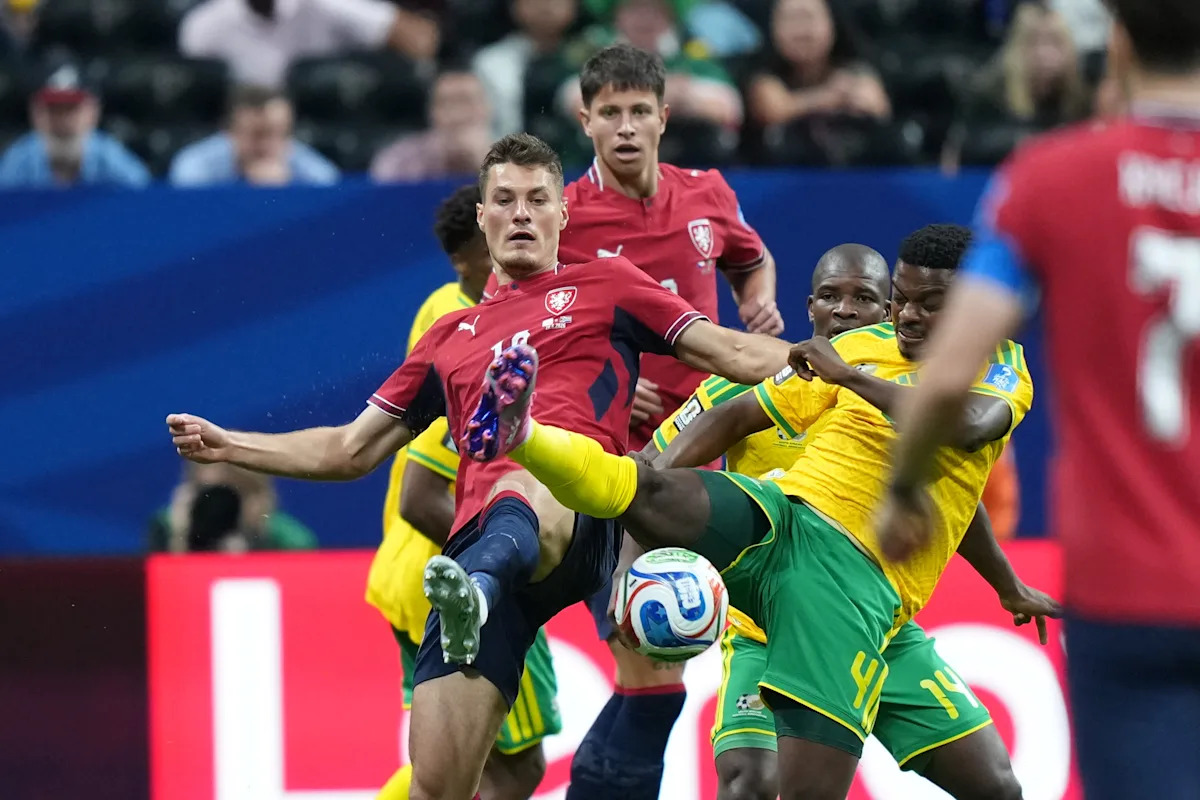
Match Day 8 serves as a stress test for several high-profile programs, notably the Group A encounter between Czechia and South Africa in Atlanta. With both nations suffering initial points deficits, this fixture operates as a de facto elimination match. The strategic cost of failure here extends into national morale and the valuation of domestic footballing brands, potentially altering long-term sponsorship trajectories and development funding.
Parallel pressures emerge in Group B as Switzerland seeks to recover from an opening draw against Bosnia and Herzegovina. This contest highlights the dichotomy between established European consistency and the historic aspirations of emerging footballing powers. For Switzerland, the objective is the restoration of competitive authority; for Bosnia and Herzegovina, it is the pursuit of a landmark achievement that could catalyze domestic infrastructure investment and international scouting interest.
Host Nation Strategic Mandates: Canada and Mexico
For co-hosts Canada and Mexico, the second round serves as a crucial barometer for organizational and sporting success. Canada’s engagement with Qatar in Vancouver transcends the search for a maiden World Cup victory; it is a fundamental component of national brand-building. Success on home soil is projected to stimulate grassroots participation and solidify Canada’s status as a sustainable commercial market for global football.
In Guadalajara, Mexico faces South Korea under significant tactical duress following the disciplinary absence of César Montes. This absence requires a defensive reconfiguration that tests the depth of the squad and the resilience of the coaching staff’s contingency planning. Beyond the pitch, Mexico’s performance serves as a primary driver of regional viewership and commercial engagement, reinforcing its central role within the global football hierarchy.
Structural Implications of the 48-Team Format
The expanded 48-team framework introduces a unique risk-reward calculus, specifically through the inclusion of third-place advancement paths. This architectural shift in the tournament allows for a more forgiving qualification threshold, which may paradoxically encourage conservative tactical pivots in the second round to ensure goal difference stability. However, for developing nations, this expansion provides an unprecedented bridge to the knockout stages, offering essential high-level exposure.
While established powers may perceive this format as a dilution of early-stage intensity, it facilitates a strategic conservation of key assets for the later rounds. The long-term impact of this shift on tournament quality remains a subject of intense scrutiny, as the balance between inclusivity and competitive density is tested in real-time across North American venues.
Media Ecosystems and Commercial Leverage
The commercial machinery of the World Cup thrives on the heightened stakes of the second round. Broadcast entities, including FOX, FS1, Telemundo, and Universo, capitalize on these high-leverage matches to optimize subscriber acquisition and advertising yields. The integration of trial-based streaming services like Fubo and Hulu + Live TV reflects a sophisticated multi-channel distribution strategy designed to capture fragmented global audiences.
High-viewer-interest games involving host nations or marquee squads are essential for the ROI of multi-billion dollar media rights agreements. The narrative arc of survival and progression provides the compelling content necessary to sustain digital engagement across diverse platforms, ensuring the tournament remains a premier asset in the global sports media landscape.
Disciplinary Consequences and Market Valuation
Individual performance and disciplinary records during this phase carry significant weight in the global transfer market. The suspension of key players, such as Mexico’s Montes, illustrates how momentary lapses in judgment can disrupt team cohesion and alter individual career trajectories. Such incidents underscore the necessity of tactical depth and psychological preparation at the elite level.
Standout performers in these high-pressure scenarios often see a direct correlation with increased market valuation and interest from top-tier clubs. The World Cup remains the ultimate scouting theater, where tactical intelligence and physical resilience under global scrutiny define the next generation of footballing talent and their respective commercial viability.
Institutional Evolution and National Legacy
National federations utilize the World Cup as a catalyst for institutional reform and brand positioning. For nations like South Korea or South Africa, competitive sustainability on this stage validates years of investment in youth academies and coaching education. A successful group stage campaign provides the leverage needed to secure government funding and private sector partnerships for the next quadrennial cycle.
Conversely, the fallout from an early exit often triggers comprehensive organizational reviews. The second round, therefore, serves as the ultimate performance audit for global federations. It is the moment where strategic planning meets the unforgiving reality of international competition, shaping the future of national programs and their standing within the FIFA ecosystem.
Future Trajectories in the Global Football Economy
Ultimately, the early group stage matches of the 2026 World Cup are foundational to the evolution of the global football economy. The increased visibility for teams such as Qatar or Bosnia and Herzegovina facilitates deeper integration into the international sporting market. This exposure drives investment into training facilities, sports technology, and regional infrastructure, ensuring a more diverse and competitive global landscape.
The strategic decisions made during Match Day 8—from tactical substitutions to media deployment—reverberate throughout the entire sporting world. These matches are not isolated events but are integral components of a complex system that defines the financial, cultural, and competitive future of football for the coming decade.