The Strategic Imperative of the 2026 Campaign
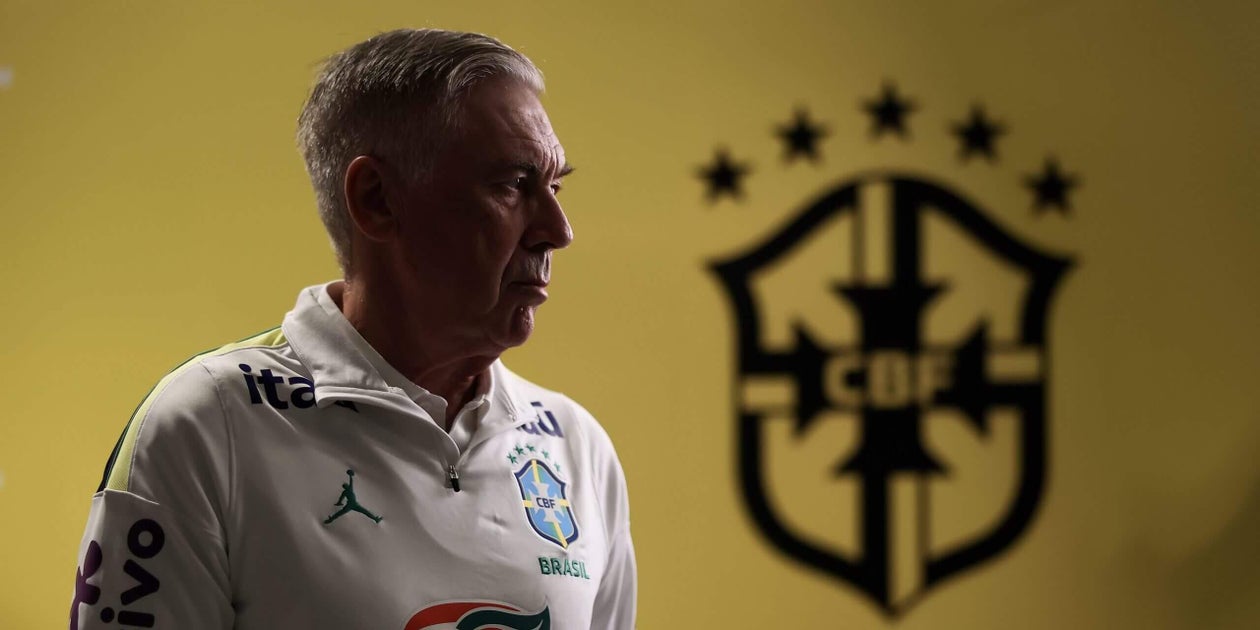
The 2026 FIFA World Cup represents a pivotal inflection point for the Brazilian national team. Under Carlo Ancelotti, the Seleção seeks to break a twenty-four-year championship drought. The institutionally mandated goal of a sixth star shapes every tactical decision, turning the tournament into a high-stakes referendum on the current technical project.
Assistant manager Paul Clement highlights a preparation model that balances elite technical discipline with the squad’s unique cultural cohesion. The integration of personal routines and collective spiritual practices within the camp serves as an operational buffer against the intense psychological strain of global tournament football.
Operational Dynamics in an Expanded 48-Team Format
The expansion to 48 teams fundamentally shifts the tournament’s competitive calculus. With eight of the best third-placed finishers advancing to the knockout bracket, the margin for error in the group stage is technically wider, yet historically more volatile. Top-tier nations must now calculate the optimal balance between high-intensity performance to secure momentum and the necessary load management of aging or injury-prone personnel.
For Brazil, the group stage acts as a calibration period. While the structure offers a safety net for favorites, it also provides lower-seeded nations more leverage to disrupt established hierarchies through defensive low blocks and tactical stagnation.
Tactical Framework and Individual Leverage
Brazil’s offensive architecture is designed to exploit the transition capabilities of Vinicius Junior. Now at his physical and tactical peak, the forward serves as the primary focal point of Ancelotti’s system. The manager’s role has evolved beyond mere instruction; he is tasked with optimizing a high-pressure environment where technical precision must coexist with the psychological resilience required to handle the weight of Brazilian football history.
Competitive and Commercial Implications
The 2026 World Cup serves as a global stage for the evolution of international football’s institutional landscape. Brazil’s performance in the United States—the site of their 1994 triumph—carries significant commercial weight. Their ability to navigate this tournament dictates not only their own long-term footballing trajectory but also the overall commercial success and viewership trends of the expanded FIFA format.
Strategic Conclusion
Success in 2026 requires a hybrid approach: merging tactical flexibility with a disciplined, risk-mitigated coaching hierarchy. For the Brazilian Football Federation, the outcome of this tournament will determine the future of their administrative and technical leadership, marking a definitive moment in the era of modern, structurally complex international competition.